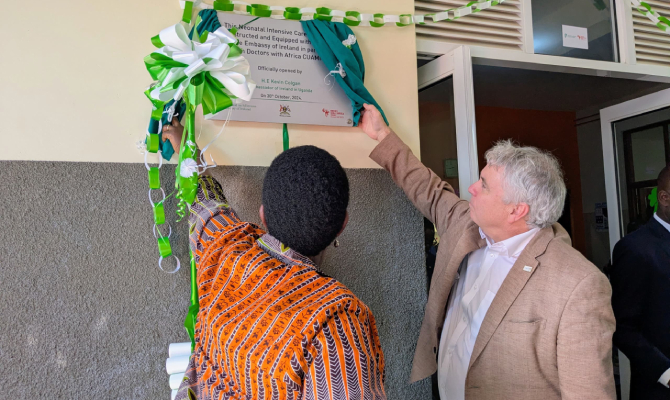
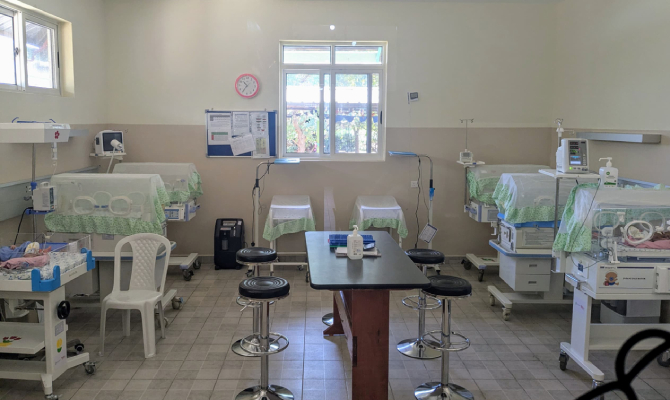
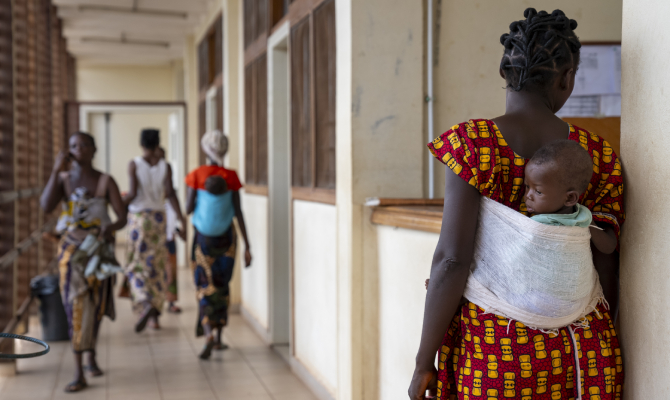
Yesterday, Doctors with Africa CUAMM, together with the Embassy of Ireland and the Ugandan Ministry of Health, inaugurated the new Neonatal Intensive Care Unit (NICU) at the St. KizitoHospitalin Matany in Karamoja, north-eastern Uganda.
Another important step for this region, which continues to be the poorest in the country and has the lowest socio-health indicators, and where access to health services remains a major challenge. Access to neonatal care is too: «in Karamoja there is an average of 550 perinatal deaths per year, of which 160 are neonatal deaths, many of them preventable. One of the main causes is the absence or poor functionality of neonatal units, often lacking in infrastructure or adequate equipment and qualified health personnel» reports Lilly Achayo, Cuamm project leader.
«There are still many newborn babies who lose their lives in Karamoja due to different causes and NICU is instrumental in saving them. I would first like to thank the health workers who work with commitment and dedication in such a complex context. I thank Doctors with Africa CUAMM and the Embassy of Ireland because this intervention will allow neonatal and paediatric cases to be managed differently, generating a positive impact on the entire region» added Diana Atwine, Permanent Secretary of the Ugandan Ministry of Health.
The construction of the NICU in Matany is in addition to the support that CUAMM provides, thanks to Irish Aid, to ensure the functionality of Neonatal Intensive Care Units in three other hospitals in the region – Moroto, Kaabong and Abim. It does this through the development of adequate infrastructure, capacity building of staff and the provision of necessary equipment.
«The new NICU represents a milestone in the 20 years of service of the Embassy of Ireland in Karamoja. We are proud and grateful for the valuable partnerships with CUAMM and the Ugandan Ministry of Health» said Irish Ambassador Kevin Colgan.
The action is part of a broader intervention to strengthen the region’s health system at all levels, to help improve access to and quality of maternal, newborn, child and adolescent reproductive health services (RMNCAH).
Activities focus on strengthening the capacity of district health management teams, in particular data analysis, planning and monitoring of services. Investment is then made in improving the clinical competence and skills of health workers in the management of RMNCAH services, with a focus on sexual and gender-based violence. Among the main objectives is the improvement of interventions aimed at adolescents, including the adoption of contraceptives and the prevention of teenage pregnancy. Finally, one component of the intervention concerns improving capacities for the collection, storage, distribution and use of safe blood and blood components.
This is a very wide-ranging intervention, which reiterates CUAMM’s commitment to the different levels of the health system and with a special focus on the care of newborn babies. Because taking care of the health of the youngest, is taking care of the health of the country.
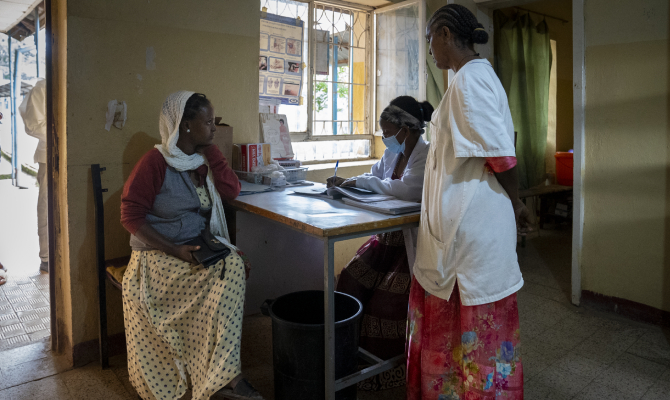
The burden of non-communicable diseases (NCDs) in sub-Saharan African countries is rapidly increasing, with diabetes showing a spiking prevalence. In Ethiopia, there are more than 1.7 million people with diabetes, making it one of the four African countries with the largest number of patients living with diabetes mellitus (DM). DM and Cardiovascular disease accounts for 18% of the total deaths in Ethiopia.
“Improving diabetes and hypertension prevention and access to care” is the project launched in 2018 by CUAMM to improve the quality of Type I DM treatment and care services provided at primary, secondary and tertiary-level facilities in Ethiopia. The commitment has continued ever since thanks to the partnership with the Ethiopian Diabetes Association (EDA) and Federal Ministry of Health (FMoH) and the continuos support from World Diabetes Foundation.
In a workshop held in Addis Ababa, CUAMM gathered with partners and national stakeholder to give account of a three-years long commitment to respond to NCDs in Ethiopia.
«I encourage you all to keep up the commitment of these years and retain the lessons learnt. By doing so, your daily work, and especially the patients you care for, will benefit from this journey we have made together in responding to non-communicable diseases» said Mr Addisu Worku – Ministry of Health’s Head of NCDs and Mental Health, addressing the participants, health workers and practitioners from the 34 supported facilities.
Over the past three years, the intervention has showed remarkable results. Activities have been implemented in 34 hospitals in 11 regions and 2 City Administrations of Ethiopia. The hospitals were selected against the number of Type I DM patients receiving treatment and care in the hospitals and efforts were made to equitably determine the number of hospitals to be included in each of the regions. Training of healthcare workers and improvement of monitoring and evaluation activities of Type I DM treatment and care services in the project-supported health facilities were the core of the project.
As a result: 305 healthcare workers including 101 doctors and 204 nurses have been trained; 3 rounds of medical supplies have been distributed to 34 project-supported faicilities; 59 rounds of mentorship activity and 57 rounds of supportive supervision have been conducted; 5 review meetings have been funded.
To date, lack of testing and diagnosis equipment, inadequate number of qualified healthcare personnel, poor access to healthcare facilities and poor awareness about diabetes are obstacles to diagnosis in the Africa region. Only 46% of people living with diabetes in the African region know their status, raising the risk of severe illness and death, potentially worsening the situation in the region which already has the world’s highest mortality rates due to the disease. According to the WHO, 24 million adults in Africa are living with diabetes. This figure is expected to increase by 129% to 55 million by 2045 (WHO, 2022).
With the support of World Diabetes Foundation, Doctors with Africa CUAMM is committed to make NCDs services accessible to all in by promoting quality and accessibility of services up to the hardest-to-reach areas.
«That day had been particularly intense, and to be honest, so were the previous ones. One postpartum hemorrhage after another, two emergency hysterectomies within 72 hours to save the lives of two young women aged 24 and 28, there hadn’t been a single moment to catch a breath».
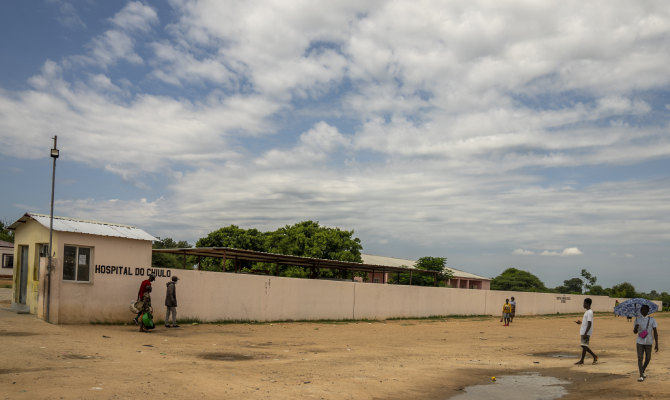
Matilde Lusiani is still emotional when she recounts the birth she assisted at Chiulo hospital, Angola. She is an Italian midwife serving in this little hospital in Cunene Region, a facility of 234 beds that serves a population of approximately 306,550 people. Working at Chiulo hospital is challenging: the hospital has essential equipment and basic goods like running water is not something people take for granted here.
«The biggest challenge – said Matilde, – is facing the fact that we have nothing to work with. You constantly wonder “What can I do with this?” and the answer is nothing. It is frustrating and you feel powerless. But some other days you manage to do “everything with the nothing you have”. It was around 5 pm; I had just arrived home and was taking care of some paperwork when a girl came in a hurry, completely out of breath. I was alone because my colleagues were dealing with a urgent vacuum-assisted birth. As the girl arrived, I soon realized that was a urgent matter: a woman was giving birth outside the hospital. There was no time to get her to the delivery room. So, I grab a pair of gloves, and run after the girl. I run toward the church, about 200 meters from the hospital, right in front of the police station. The woman, squatting under a tree, was giving birth. Chickens were grazing nearby and motorcycles passing by. Beneath her, only a dirty cloth. When I arrived, I noticed the baby’s head was already out. It only took a second push to have the baby in my hands. I used the glove elastic to clamp the umbilical cord and cut it with a pair of kids’-friendly small round-tipped scissors. I had them in my coat pocket, the previous resident left them home before moving out. I don’t think I’ll ever take them out of my pocket.” Right after the delivery I sought help from a police officers to get a stretcher, also a nurse came to help as she understood we needed help».
Matilde said the baby was still covered in blood and dirt, when she was holding her in the arms waiting for the mother to be places on the stretcher. During the short, breathless run back to the hospital, she never stopped massaging the mother’s uterus to avoid a hemorrhage.
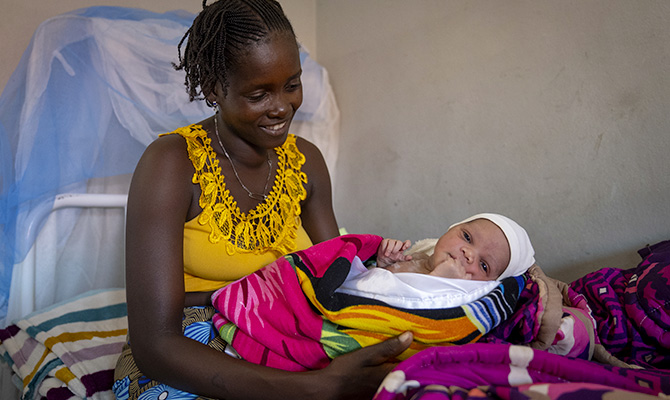
Kalule, that’s the woman’s name, is now doing well as is her little girl, who doesn’t have a name yet. It is in fact a common habit in many part of the Africa region to name newborns only when parents are sure they are safe. Kalule is around 30 years old, she left 4 kids at home and walked a long way to reach the hospital. Despite arriving late, things sorted out well for her and the baby but unfortunately, not all the stories have an happy ending.
To date, maternal mortality rate remains high in Angola with 222 deaths in 100.000 live births. Distance to health facilities, poor access to assisted birth and lack of qualified personnel contribute to mantaining the rate extremely high. Cost-effective solutions like maternal waiting homes built by CUAMM at Chiulo hospital are paramount to ensure women a shelter in the last phase of their pregnancy.
«I will never forget this feeling: the emotion and adrenaline I experienced while witnessing the strength and courage of a woman giving birth. Altough challenging, it is by living those moments that we recognize the value and impact of our work».
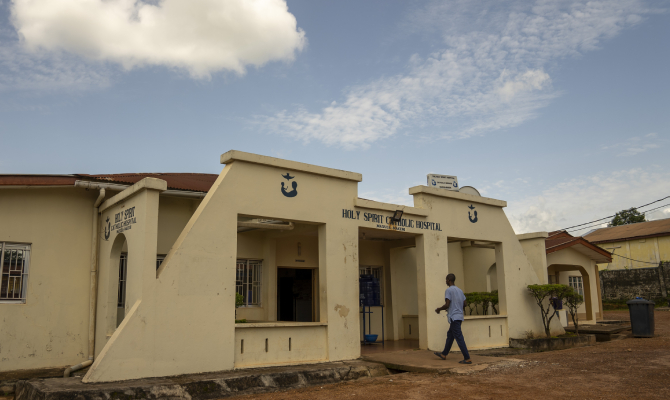
Holy Spirit Hospital is a General Hospital situated in the City of Makeni, Bombali District, Sierra Leone. The facility, which has a bed capacity of 55, serves an estimated population of 102,648 offering various health services including Obstetrics, Gynaecology, Paediatrics, Medicine, General Surgery, and Specialist Surgery. Other services provided by the Hospital include an Outpatient Department, a Diabetes Unit, Physiotherapy Unit, HIV/AIDS Unit. Although the city is served by other health facilities, the Holy Spirit Hospital is recognised and appreciated by health institution due to the high quality standard of its services, dedication and competence of its staff. Doctors with Africa CUAMM started working in the facility in 2005 and it is committed to reducing maternal mortality and morbidity in the district.
In the framework of the activities implemented by CUAMM and funded by Manos Unidas, the Holy Spirit Hospital has recently welcomed 77 health professionals from 5 different facilities, namely Princess Christian Maternity Hospital – PCMH, Bo Government Hospital, Makeni Government Hospital, Pujehun Maternity Hospital and the newly appointed staff for HDU from Holy Spirit Hospital, to attend a 4-day training on critical care. The training was meant to improve the quality of critical care services in 5 HDU’s, improve skills and practice in basic life support and emergency preparedness, improve management of obstetric emergency crises, increase knowledge and skill on intravenous line technique and complications as well as increase the competency of staff in the management of hypertensive disorders, severe pre-eclampsia and eclampsia.
«The training gave health professionals the occasion to meet for the first time and share their experience. They participated with enthusiasm and showed an extremely collaborative attitude – said Hannah Godon CUAMM Project Manager. Participants had different profiles and expertise, some of them had never worked on emergency preparedness before while others, like the senior nurses from PCMH had a long experience. This was quite a challenge but also a value for their learning experience».
In addition, activities include supervision and on-the-job training and provisions ofequipment for the establishment of a new 2 bedded HDU in Holy Spirit Hospital, as well as supplies of laboratory reagents in order to support diagnostic services. As a result, the project aims to facilitate access to critical care services for 945 women and provide diagnostic services to 4.989 women who will access diagnostic services at Holy Spirit Hospital.
Training health personnel is key to strengthen the health system therefore ensure quality assistance to the most vulnerable groups like mothers and children. According to the Ministry of Health, as of 2016, in Bombali district the percentage of population living more than 5 miles from a health facility was 19.4%. In addition, the ratio between the healthcare personnel and the population is low as in the rest of the country. As per the MoHS 2016 data, the district counts on 8.8 frontline health workers, 0.1 doctors, 0.5 nurses (higher cadres), and 0.4 midwives per 10,000 inhabitans.
Maternal mortality remains a challenge for the country. As of 2023, maternal mortality stood at 1,120 deaths per 100,000 live births. Birth assistance by qualified personnel is 87% (UNFPA, 2023) at a national level although in rural areas the values are lower with post-partum uterine haemorrhage (38.8%) and hypertension (16.3%) representing the main complications along with indirect causes (12.8%) such as HIV/malaria/TB, and sepsis (11%). The main difficulties are therefore to guarantee: basic health services, such as transfusions, pre- and post-natal care (ANC and PNC); medicines, aids and equipment and birth assistance.
With a total population of 8.8 million Sierra Leone remains among the world’s poorest countries, ranking 181th out of 191 countries in the UNDP Human Development Index (2021). Poverty remains widespread and multidimensional poverty accounts for 59.2% of the population. Women represent the most vulnerable group. They face many discriminatory practices related to customary law in areas such as marriage, divorce, inheritance, and family relations, highlighting unequal rights, roles, and socio-economic outcomes. Moreover, Sierra Leonean women are disproportionately less likely to access post-secondary education and to own assets such as radios, mobile phones, and bank accounts. In Bombali district, 76% of women do not own land rights and 64% a house. These figures are even higher than national level.
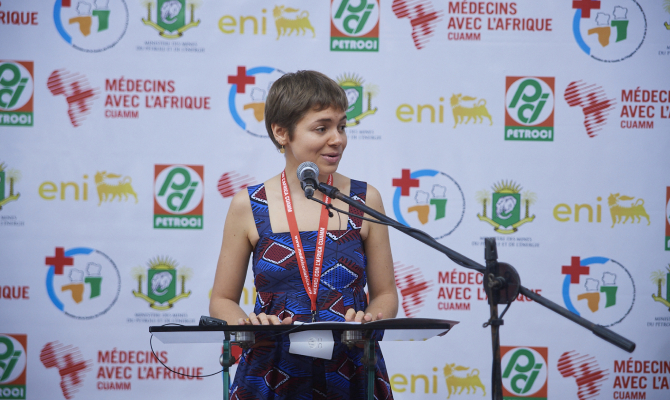
A new maternity ward was inaugurated yesterday in Abidjan, Ivory Coast, at the Anonkoua Kouté urban health center thanks to the partnership between Doctors with Africa CUAMM, Eni Côte d’Ivoire, and U.R.S.S.C.I. – the Union of Religious Men and Women of Côte d’Ivoire. The ceremony took place on October 17, 2024, starting at 2:00 PM at the Anonkoua Kouté Community Urban Health Unit, Abobo, Abidjan, in the presence of Dr. Kpaho Bernard, Inspector General of Health, representing the Minister of Health, Public Hygiene, and Universal Health Coverage, Madame Yao Gnamien Beugré, Deputy Mayor at Abobo and Luca Faccenda Director General Eni Ivory Coast.
The facility, managed by the Congregation of the Sisters of Providence and part of the U.R.S.S.C.I. network, is one of the largest centers by number of births in the district. Around 3,700 births are recorded here each year. By supporting the facility and inaugurating the new maternity spaces, the initiative aims to fulfill one of the objectives of the national strategic plan: to ensure universal health coverage across the country, with particular attention to vulnerable groups, especially women and children.
«I would like to thank the financial and technical partners who contributed to this project, particularly the NGO Doctors with Africa Cuamm and Eni Côte d’Ivoire – said Dr. Kpaho Bernard, Inspector General of Health, representing the Minister of Health, Public Hygiene, and Universal Health Coverage during the ceremony. – The building we are inaugurating today will help improve access to quality maternal, neonatal, and child services, bringing the Ministry of Health, Public Hygiene, and Universal Health Coverage closer to the strategic objectives of our National Health Development Plan».
Abobo district in Abidjan which is home to about 1.5 million people and has the highest population density in Ivory Coast. It faces significant challenges in accessing quality maternal and child health services. The Anonkoua Kouté urban health center, managed by the Congregation of the Sisters of Providence, is one of the largest centers in terms of births in all of Abobo, recording around 3,700 births per year.
The new maternity unit, with its four postnatal wards and a prenatal care room, will provide essential support to pregnant women, mothers, and newborns, improving access to and the quality of healthcare services while reducing the pressure on higher-level healthcare facilities. It will also ensure adequate prenatal care, improve childbirth conditions, and guarantee quality postnatal care, thus contributing to the reduction of infant and maternal mortality.
This initiative represents a significant step forward for the well-being of the local population, addressing the healthcare needs of a growing community, in line with national plans and priorities. This goal will be achieved also through the training and capacity building of healthcare workers in the facilities, the provision of equipment, the improvement of patient referrals to healthcare facilities and the renovation of existing premises.
«It is with great pride that we witness today the tangible achievement of one of our results within this ambitious goal, which is at the core of the priorities of the Ministry of Health, Public Hygiene, and Universal Health Coverage, – said Anna Cavestro, Country Representative for Cuamm in Ivory Coast. Thanks to the commitment of our partners and the determination of national authorities, we have been able to turn this vision into tangible actions».
The construction of the maternity ward is part of the “Santé Pour Tous” – Health for All project promoted by Doctors with Africa Cuamm in collaboration with Eni Côte d’Ivoire and U.R.S.S.C.I. – the Union of Religious Men and Women of Ivory Coast. The aim of this initiative is to improve the quality and access to healthcare for disadvantaged populations in the country, particularly pregnant women and mothers, by promoting the integration of private healthcare facilities managed by religious organizations into the national health system.
The Central African Republic continues to have a fragile domestic situation, particularly unstable in some areas, ranking 188 out of 191 on the Human Development Index. According to OCHA 2024 estimates, 2.8 million people are in needof care but the health system appears fragile, with poorly qualified health personnel and, above all, not enough to cover the needs of the population. In fact, the country has only one doctor for every 50,000 inhabitants and one nurse for every 20,000 inhabitants (WHO 2021).
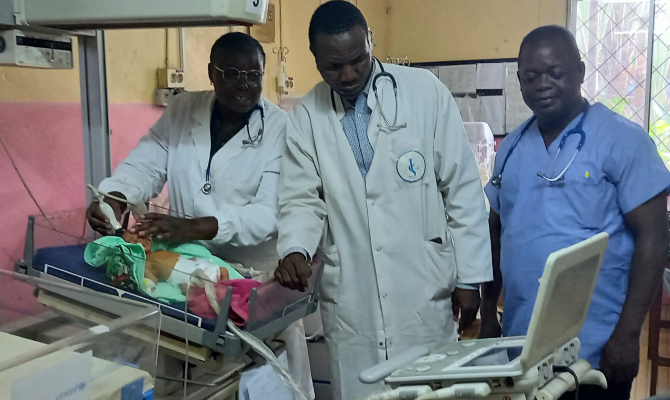
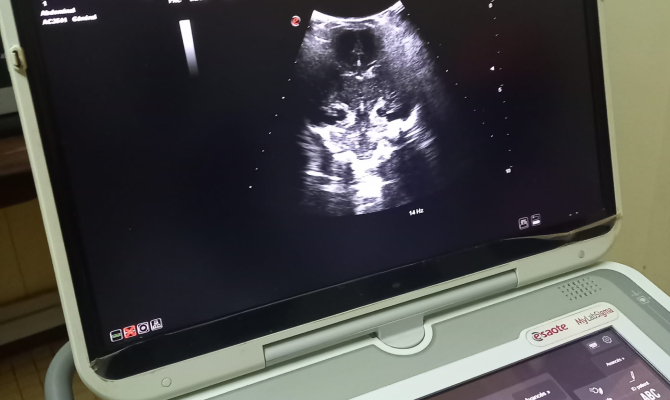
For this reason, at the Complexe Hospitalier Universitaire Pédiatrique in Bangui (CHUPB), a specific focus was promoted on transfontanellar ultrasound, an important diagnostic tool that can be used in children arriving in the emergency room in critical situations. The training was aimed at learning and improving the use of this new diagnostic method. Investing in training and capacity-building is essential in fragile contexts to meet the challenges of resource-constrained healthcare and to guarantee essential health services to the population, particularly newborns and children. But then does training enter into the practice of daily care work? This was the question posed.
“One episode on the last day was particularly significant for me in terms of how much colleagues got involved. The night before, Dr Carine had received preterm triplets, the smallest of which, at 760 g, had died before she was able to give her an ultrasound scan,” says Alessandra Ometto, a paediatrician and neonatologist who gave the course at CHUPB.
“At the end of the course we have an appointment at 1 p.m. for a last practical lesson, before the delivery of the certificates of attendance by myself and Professor Gody, Director of the Hospital. When I arrive, Carine tells me that she had performed the post-mortem transfontanellar ultrasound on the baby because she wanted to understand – an important expression – whether her death had been caused by an acute brain problem, not just stopping at the fact that the little twin was the last born and of very low weight. He had recorded the entire examination in the apparatus and asked to see it together; in his opinion, the baby had had a grade three acute cerebral haemorrhage, the maximum. So, we all reviewed her recording together and the examination, which had been well performed, had led her to make the correct diagnosis. All this had happened on her own initiative without my intervention, not even support or encouragement. For me, this is an important achievement that gives reason for a training intended to involve them personally, to make them curious, to enthuse them. Therefore, if there is to be a next training, for which I will always be available, I imagine it will no longer be a course packaged by me, but a sharing and supervision of their cases and ultrasound scans, where they will learn more and more how to integrate diagnostic imaging with the clinic,” emphasises Alessandra.
Capacity building as well as “on the job” training of the health personnel at CHUPB are part of the project “Support for Paediatric and Nutritional Care, Resilience and Governance at CHUPB” project, funded by the European Union and implemented in collaboration with Action against hunger (ACF).
The contents are the sole responsibility of Doctors with Africa CUAMM and do not necessarily reflect the vision of the European Union.
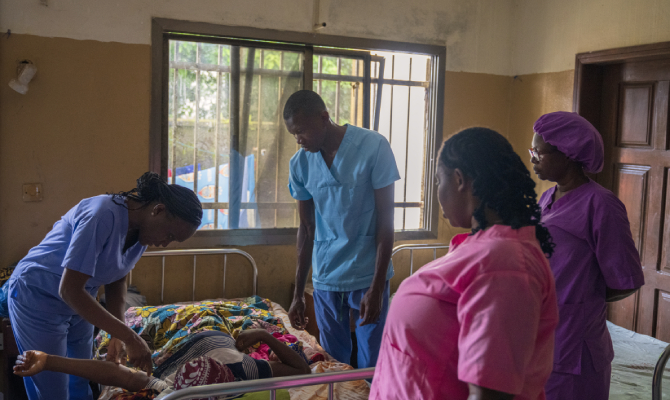
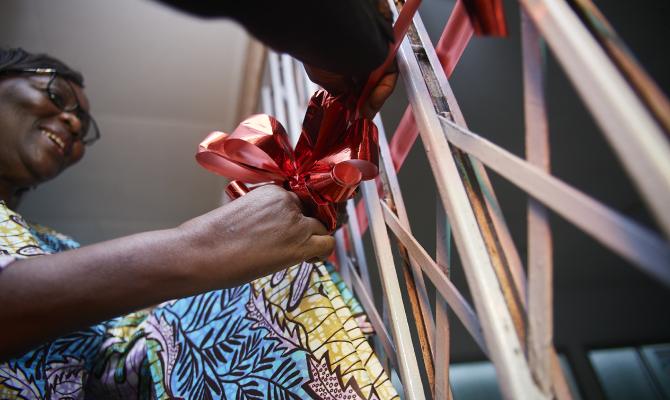
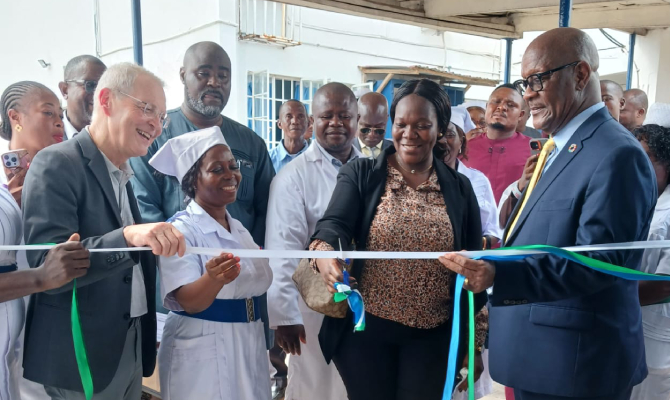
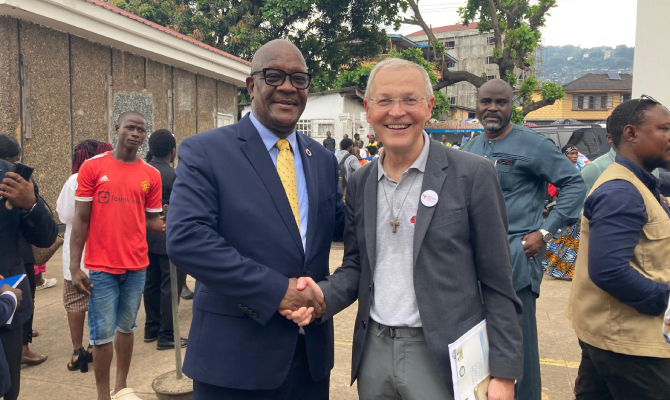
The new premises at the Princess Christian Maternal Hospital (PCMH) were handed over by CUAMM Director General to the Minister of Health. The ribbon-cutting ceremony took place yesterday in Freetown.
«We hold CUAMM in high esteem because it is an honest and reliable partner that assists the Ministry of Health in the effort to reduce maternal mortality, with a clear vision and alignment with the national strategy» stated Dr. Austin Demby, Minister of Health.
The Princess Christian Maternity Hospital (PCMH) is Sierra Leone’s main referral hospital for maternal health. The facility, covering both the urban and rural areas of Freetown, serves a population of over 1.3 million people. In 2023, it conducted more than 16,000 outpatient visits and 8,000 deliveries. Here, CUAMM is currently working to improve the overall quality of care provided to women during pregnancy, especially those with obstetric complications before and after childbirth.
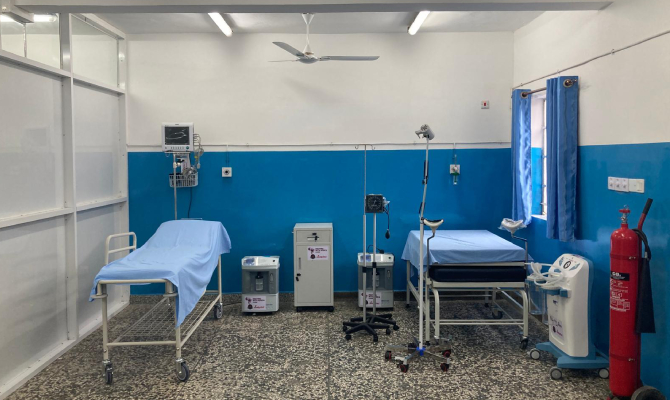
One of the main issues affecting the quality of services is the deteriorating and outdated state of the buildings, worsened by nearly 100 years of operation. To meet the new demands of the facility and ensure quality care for an increasing number of patients, Doctors with Africa CUAMM supported the rehabilitation and expansion of the premises, thanks to the support of Leoncini s.r.l. The intervention involved two areas: an existing pharmacy, which was renovated and expanded, and an emergency room and outpatient department where the triage flows has been re-designed and a waiting area created. The results aim to reduce overcrowding and optimize the pathways for medical staff and patients, improving the quality of service and care.
As a result, the hospital now has a pharmacy of 175 square meters and a large emergency room of almost 400 square meters. Through the hospital’s rehabilitation, CUAMM makes a concrete contribution to the quality of medical and health services offered in the country, supporting the government of Sierra Leone in its effort to provide timely and effective care to an increasing number of patients while ensuring a more dignified and welcoming work and care environment.
«More than 9,000 women seek assistance in this hospital for an attended birth last year. We have a responsibility towards them as towards the health workers serving here. We have to provide them with instruments and good working conditions that can ensure a quality service. It is by doing so that we can meet the target of zero maternal death!» said Father Dante Carraro.
The inauguration took place exactly one year after the handover of the rehabilitated spaces at Connaught Hospital in Freetown, a tertiary-level hospital serving a population of over 1,493,252 people. Responding to the Sierra Leone government’s request, CUAMM had previously carried out the rehabilitation of the emergency and outpatient areas. This intervention was once again supported by Leoncini S.r.l., alongside the Veneto Region.
«A year ago, we inaugurated a similar rehabilitation project at Connaught Hospital, carried out by CUAMM, which the Ministry of Health and the people are now proud of; it is incredible that CUAMM has been able to replicate something similar at PCMH» said Dr. Austin Demby, Minister of Health.
World Food Day is celebrated every year on October 16 to commemorate the founding of FAO, the United Nations Food and Agriculture Organization, established in Québec, Canada, in 1945. The date has now become a global event aimed at raising public awareness about one of the most urgent challenges of our time: ensuring fair and sustainable access to food for all. This year’s message, chosen to draw attention to the 733 million people facing hunger worldwide, is “The Right to Food for a Better Life and Future.”
«I arrived at the emergency room cause the baby could not stop vomiting, had diarrhea and high fever. When we got admitted, they diagnosed a severe malnutrition and gave her oxygen. We stayed 24h at the emergency department before being transferred to the paediatric ward where my baby started the treatment with therapeutic milk first and later with PlumpyNut» said Christine from Pujehun, Sierra Leone.
Lack of access to food and poor diet leads directly to malnutrition, currently affecting 2.8 billion people worldwide (UNICEF, WHO, World Bank Group, 2023). This remains a chronic issue in some areas of the world and contributes to 45% of global deaths among children under the age of 5. In sub-Saharan Africa, several factors contribute to the high malnutrition rates: armed conflicts, climate shocks, and economic crises, all of which severely impact the poorest and most vulnerable populations.
Malnutrition is caused by a lack of essential nutrients. Children who suffer from it experience stunted growth and poor physical and mental development. Furthermore, due to weakened immune systems, they are highly vulnerable to infections and diseases.
«Most of our patients are malnourished – says Annachiara Zin, CUAMM pediatrician in Pujehun, Sierra Leone. The district’s economic situation, lack of food availability, and poor education on the issue are risks factors that compound the prevalence of malnutrition cases, significantly affecting infant mortality. We often receive critical patients who arrive with complications that could have been prevented with timely intervention» adds Zin. This reminds us that an integrated approach is necessary, acting both clinically, with dedicated hospital services, and at the community level, building trust and facilitating access to health services.»
The 1,000 days from the beginning of a woman’s pregnancy to her child’s second birthday are some of the most critical for human nutrition and growth. However, at-risk groups more generally include children under five, adolescents, pregnant or breastfeeding women, the elderly, and those with chronic illnesses. The most vulnerable people are often forced to consume only basic or low-cost foods—often poorly nutritious—while others lack access to fresh or diverse food items or do not have the necessary information to adopt a healthy diet.
In Pujehun district, Sierra Leone, Doctors with Africa CUAMM carries out initiatives to prevent and treat malnutrition that combine clinical and community-based activities. With the aim of eradicating hunger, achieving food security, and improving nutrition, CUAMM promotes sustainable agriculture through the creation of vegetable gardens and training sessions on good agricultural practices, designed in collaboration with the Ministry of Agriculture and Forestry. This agricultural activity is complemented by food education and sensitization activities. Cooking demonstrations held at community level aim at helping mothers in ensuring their babies a healthy and balanced diet by using nutritious, affordable, and accessible foods. To complete the community-based approach, a microcredit system managed at the community level has been introduced in 60 villages to ensure the sustainability of agricultural practices. When properly managed, agriculture, forestry, and fishing can provide nutritious food and generate adequate incomes, supporting people-centered rural development while also protecting the environment.
CUAMM’s commitment to preventing and treating malnutrition extends to all the countries in which it operates. To accelerate progress toward Sustainable Development Goal – Zero Hunger (Goal 2) of the 2030 Agenda, CUAMM supports national policies and programs by actively promoting nutrition education in communities, clinics, and health centers. They educate pregnant women, raise awareness about the benefits of exclusive breastfeeding for the first six months, and monitor children’s growth during their early years. CUAMM also addresses acute and chronic malnutrition, which remain widespread in Africa, particularly during droughts and subsequent famines.
ACUTE MALNUTRITION
Acute malnutrition results from rapid weight loss or the inability to gain weight, typically due to insufficient food access, such as in cases of famine or economic hardship. It can be moderate or severe; in severe cases, the child is at risk of death. Doctors with Africa Cuamm supports nutritional units for the intensive care of severe acute malnutrition in several hospitals in the countries where it operates, and also supports screening activities and identification of acute malnutrition cases in the field and peripheral health units.
CHRONIC MALNUTRITION
Chronic malnutrition refers to stunted growth, indicated by a low height-for-age ratio. It results from a prolonged lack of food or limited use of available resources, starting as early as the fetal stage. It causes permanent physical, mental, and intellectual deficits in children, affecting their entire future life. Unfortunately, no real therapy exists, but through specific programs, Doctors with Africa Cuamm provides educational interventions for mothers and administers supplements to pregnant women and children, which can reduce the impact and damage of stunted growth. Key interventions include treating pregnancy-related anemia, administering folic acid and other micronutrients like iodine, preventing malaria during pregnancy, promoting good maternal nutrition, exclusive breastfeeding, and deworming in children.
The fight against malnutrition is part of the Sustainable Development Goal to “End Hunger” (Goal 2) of the 2030 Agenda. However, according to estimates from UNICEF, WHO, and the World Bank, only one-third of all countries are on track to meet the global target of reducing the number of children with stunting to 89 million by 2030. With current progress, the 2030 target will be missed by 39.6 million children, with more than 80% of these being in Africa.
Support us, by donating now you help us ensuring proper malnutrition treatment to children most in need, in Sub-Saharan Africa.
Newborn healthcare remains one of the primary constraints faced by CUAMM’s team at Chiulo Catholic Hospital due to lack of dedicated spaces, equipment and trained personnel. Moreover, physical barriers for institutional delivery are increasing the risks of newborn complications other than jeopardising maternal health. The prolonged drought has led to an increase rate of acute malnutrition among under 5 and it is strictly intertwined with infectious disease, more commonly widespread due water scarcity, resulting in half of children in drought provinces showing at least one sign/symptom of infectious disease (diarrhoea, fever or cough). The high level of malnutrition among PLW are worsening health outcomes since the first days of life of newborns. Poor dietary diversity and micronutrients deficiency in pregnant women is also contributing to high malnutrition rates among children <5.
In Cunene province, CUAMM and Manos Unidas join efforts in favor of women and newborns by providing integrated health and nutritional services at Chiulo Catholic Hospital.
In order to better manage newborns and paediatric’s complication at hospital level hence reduce newborns and pediatric complications, a dedicated intensive care area is being constructed within the paediatric wards. Furthermore, renovations at the maternal waiting home – casa de espera, will facilitate access to safe delivery for a a major number of women. Education is also a milestone in the intervention: to enhance caretakers’ knowledge, the project will support awareness raising sessions and cooking demonstrations at hospital level while also supporting the construction of an outdoor kitchen.
«Malnutrition is caused by a significant imbalance between nutritional intake and individual needs. It is most often caused by both quantitative and qualitative deficiencies – said Ndapandula Wilca, chief nurse at the maternal waiting home. Here at casa de espera (maternal waiting home) in Chiulo hospital we organize cooking demonstration to engage women in sensitization activities. By teaching them how to make the most out of what they have at disposal we can prevent malnutrition».
The intervention will directly benefit 1.976 recipients while reaching an overall number of about 300.000 people in the drought-affected province of Cunene.
The prolonged drought in the south of Angola has led to more than two million children in need of humanitarian assistance, 1.2 million people in need of water availability and in 1.58 million people facing acute food insecurity in South-western Angola (WFP, June 2023) and about 15% of the population in Emergency (IPC Phase 4) (2022). The impact of drought on the livelihood opportunities dominated by agriculture and livestock has also adversely affected the nutrition status of the population being pregnant and lactating women (PLW) and children under 5 years of age the most vulnerable groups.
Cunene Province is among the provinces in the country with the highest prevalence of insufficient food consumption. The province experienced below-average production, resulting in higher market dependence amid higher food prices and relatively lower livestock prices. Despite the slight improvements registered in the past months, according to Relatório Avsan 2021, Cunene is among the regions with the highest malnutrition rate with Global Acute Malnutrition – GAM at 7.9% in Cunene (the prevalence of Severe Acute Malnutrition – SAM and/or oedema is 1.4% and Moderate Acute Malnutrition – MAM at 6.5%).
Doctors with Africa CUAMM is working at Chiulo Catholic Hospital, to contribute to improve the nutritional and health status of newborns, and pregnant and lactating women in line with the SDGs 2.2 and 3.3. The intervention, supported by Manos Unidas, aims to reduce newborns and pediatric complications through the construction of a dedicatedintensive care unit within the paediatric wards. Proper equipment and trained healthcare workers will improve the management of newborn and pediatric care at hospital level. Furthermore, the upgrade of a maternal waiting home, casa de espera, will increase the number of women with access to safe delivery, thus reducing newborns, pediatric and maternal complications. Moreover, awareness activities among caregivers, PLW and caretakers on health, hygiene and nutrition practices will facilitate prevention and treatment of acute malnutrition hence improve health outcomes.
What is behind the essential health services provided to the population in the most fragile settings? Behind the concrete delivery of services, there are very delicate skills and activities: the timely supply of drugs and medical equipment, the complex infrastructural improvements in fragile situations, the capacity building of local workers, often far from regular training systems.
In the Gambella Region of Ethiopia, a ‘transformational’ pathway is in place to improve essential health services, particularly for mothers and children, by strengthening the Health Management Information System (HMIS). This process requires honing articulated skills such as data collection, analysis and utilisation, so that those managing health services can make more informed decisions and thus provide higher quality care to the population. In addition, an effective data management system is crucial for tracking the progress of project-implemented activities and flagging any critical issues, thus allowing actions and strategies to be re-oriented in a more appropriate manner.
This is one of the components of the technical assistance provided within the “INCLUSIVE: Strengthening Prevention, Equitable and Inclusive Care for All” project that supports 9 health facilities, 2 hospitals and 7 health centres in three districts of the Region: Gambella Town, Gambella Zuria and Abobo. The focus of the intervention is maternal and child health care, with special attention to prevention and the creation of a favourable health environment for people with disabilities. Financed by the Italian Agency for Development Cooperation, the intervention is implemented by Doctors with Africa CUAMM together with CBM International and Rehabilitation and Development Organisation (RaDO).
“Improving information utilisation platforms and data monitoring practices is crucial today, in order to manage the day-to-day work in a more timely manner, but also for the future, to more effectively inform health initiatives and improve services. The progress made so far highlights the importance of collaboration, training and dedicated support,” says Buzuayehu Bogale, Cuamm expert for project monitoring and evaluation.
Based on an initial analysis, an action plan was developed for each health facility involved through targeted staff training and supervision activities. Among the main results achieved, staff improved their ability to validate data and prepare accurate reports from DHIS2, the national district-level health information collection software; as well as to monitor performance using key indicators (KPIs), to regularly update the system and to use monitoring charts. Investing in the health information system is investing in improving the quality of services and their sustainability: it is the other, more hidden side of caring for patients.