OBSTETRICIANS WITH AFRICA THANKS TO MEGA SCHOLARSHIP

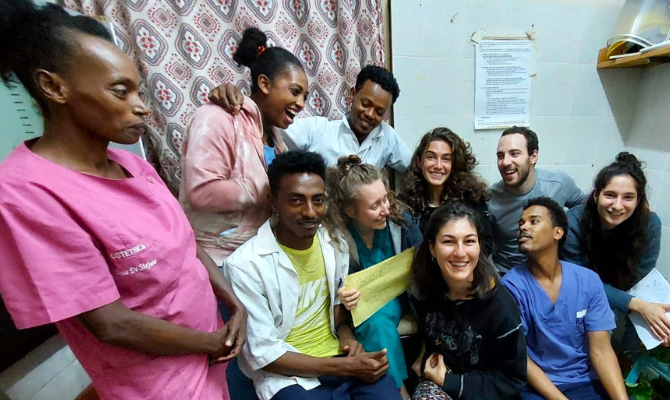
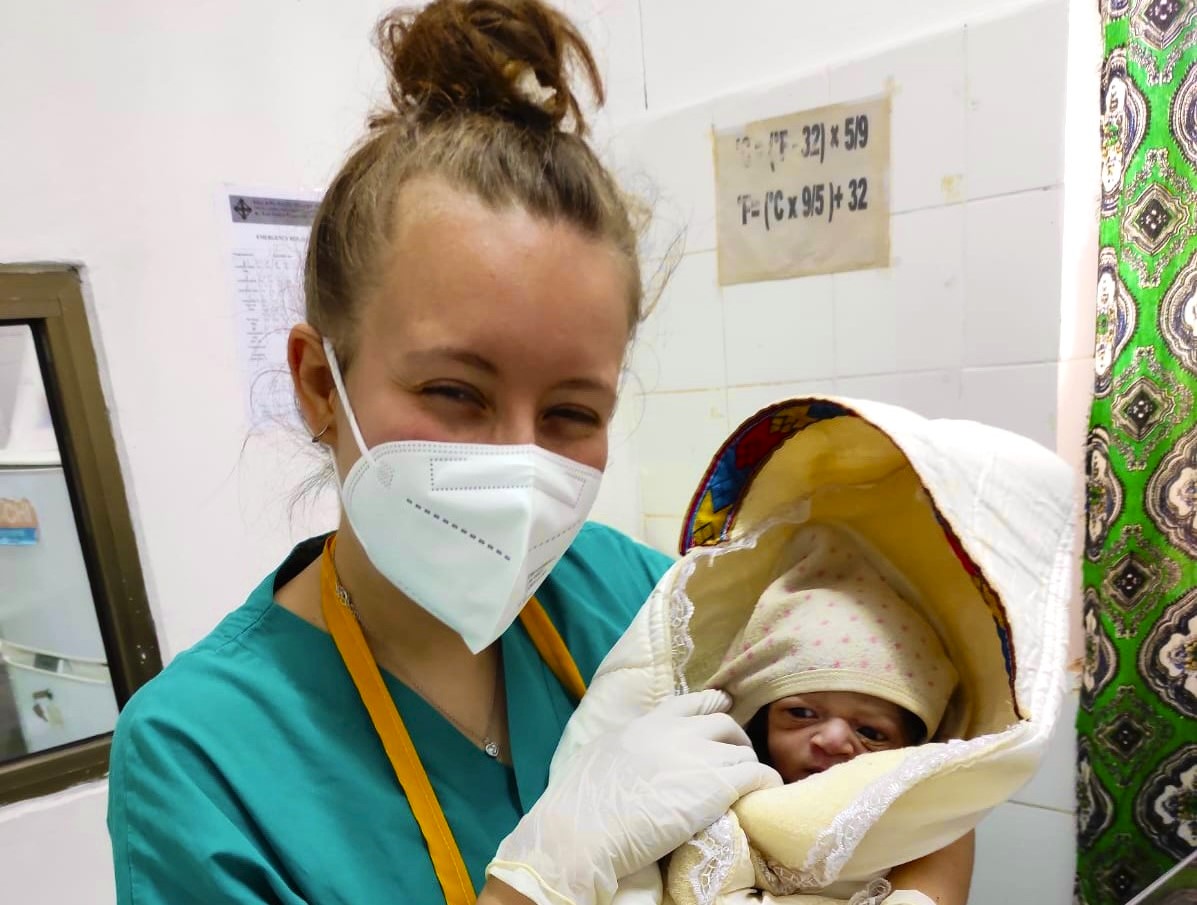
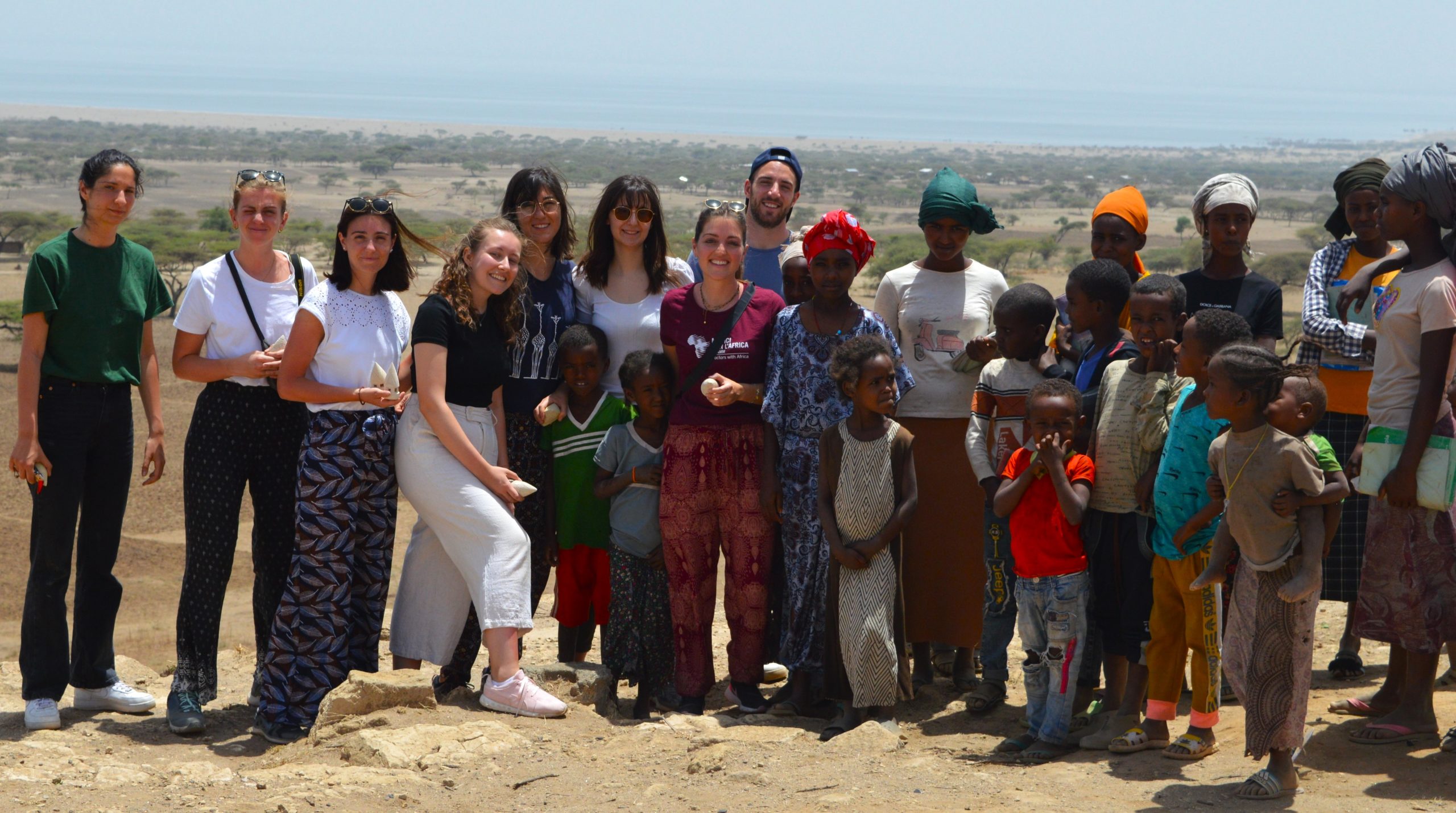
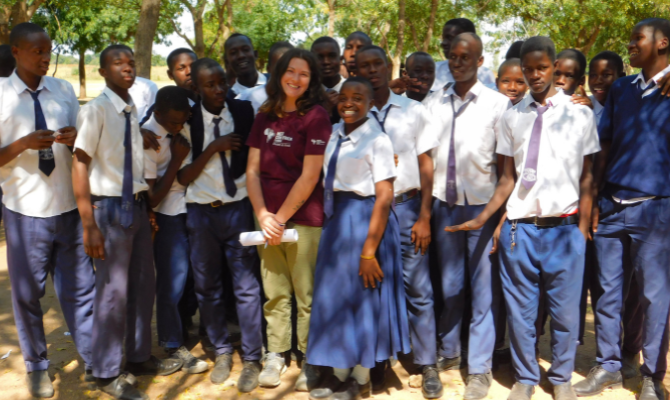
Lucia and Elisabetta, ages 22 and 25, both had the strong desire to get to know Africa. There was no doubt in Lucia’s mind when she attended the Michele Mega Scholarship Project presentation at the University, she wanted to apply for the 2022 edition: «Listening to the testimonies and the stories, seeing the faces of the female students who left before me was the motivational drive. Today I realize that the time spent in the field was much more than an experience, it was an opportunity for professional and personal growth».

For Elisabetta, Africa has always been her calling: «I decided to enrol in the Obstetric degree program because my dream is to work in developing countries. Winning the Mega scholarship and learning the profession in a hospital with limited resources was a profound moment of living with Africa. I will be working hard so that it can be repeated in the future!».

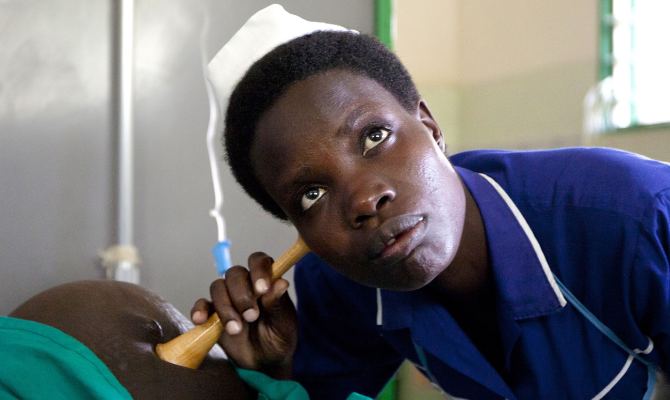
Being very young, this was the first trip to Africa for Lucia and Elisabetta: a window to understand how to practice health cooperation with, the true mission of Doctors with Africa CUAMM. Ethiopian obstetricians followed the students in their internship journey, gifting satisfaction and precious memories. «The greatest gratification – for Lucia – was when, at the end of a long day, the head nurse told me: ‘You will be a very good obstetrician!’. These words filled my heart, because I did not expect them».

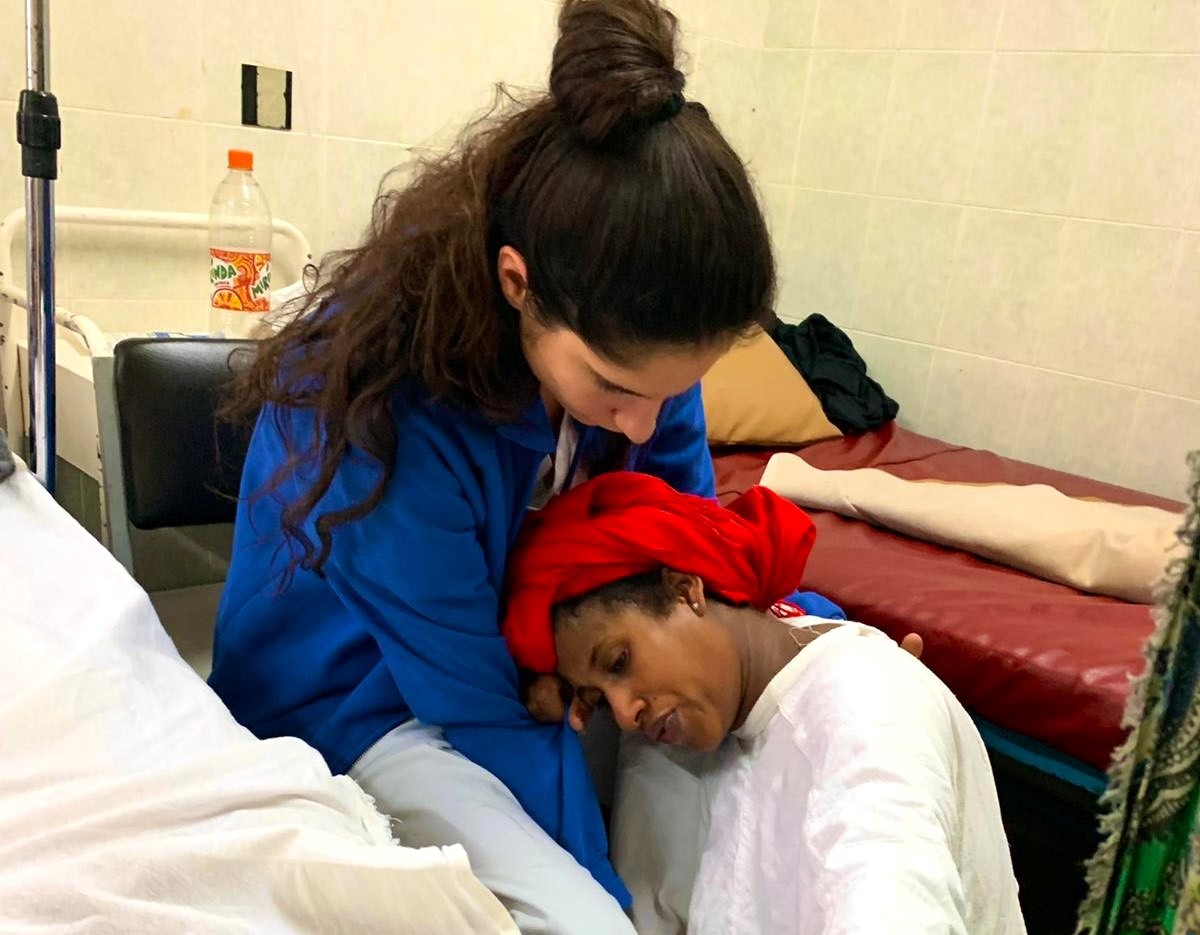
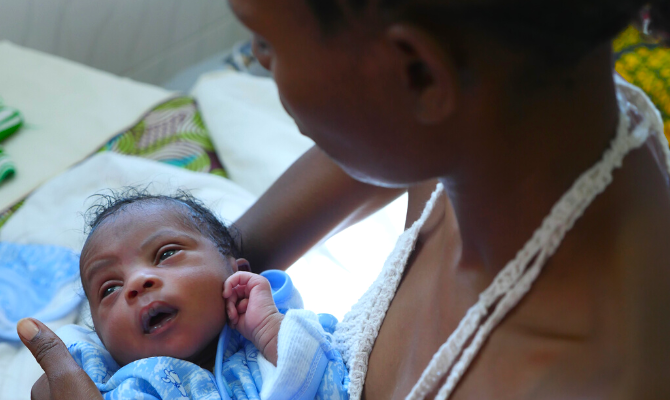
Elisabetta, on the other hand, cannot forget the relationships she formed with patients, «I felt gratified in so many small moments when I was able to be ‘home’ for a mother to-be. Sometimes, all it takes to reassure a woman in labour is a look. Eyes speak and welcome ‘I am here with you now’ mine whispered. With one patient in particular it was exciting to build trust during a difficult birth, then, to find her after a long time by chance, with her healthy baby. She stopped to say goodbye and thanked me. It was proof that even if you meet for just a short time, the experience you share is intense and you cherish it forever».

The biggest obstacle for Lucia and Elisabetta was working in a setting with limited resources, where helplessness is often experienced. «Even though I was aware of what I was getting into – explains Lucia – being in a hospital where children are dying at any moment really tested me».

Grief is also processed through the support of colleagues, with whom friendships can be formed. With healthcare professionals, opinions are exchanged, skills are refined, cultures are compared. «I met an Ethiopian nurse, who invited me to her home. Her mom cooked lunch and, like all mums in the world, she was worried I was not eating enough. In Ethiopian families, when you have a guest, you offer kid, a delicacy. Because I am vegetarian, my colleague’s mom had to reinvent herself and she was great at cooking veggie dishes! On another occasion this friend of mine lent me a traditional dress to go visit an Orthodox church together, it was especially meaningful to me».

«We lived in a guest house – says Elisabetta – together with the medical residents, the Junior Project Officers, with whom we teamed up. Many interesting people came through here, like a computer scientist without borders, designers, doctors. A really constructive melting pot!».

What about the future? Lucia and Elisabetta are now busy writing their thesis, dedicated precicesly to their experience in Wolisso. «After graduation, I would like to do Universal Civil Service with CUAMM, before finding a job», Lucia concludes. «Before going back to Africa – Elisabetta expresses – I would like to deepen my training, practicing in Italian hospitals, and then live in the field and offer a complete clinical background!».

TENDER ANNOUNCEMENT TENDER FOR THE PROVISION OF PRINTING PRESS MATERIAL AND OFFICE STATIONARY

Doctors with Africa CUAMM Ethiopia is launching the present Local Open Procedure to select eligible suppliers for Printing Press Material and Office Stationary.


00 Printing and Stationery_Tender announcement

01 Printing and Stationery_Contract Notice

02 Printing and Stationery_Instruction to participants

03 Administrative Compliance Grid

04 Evaluation GridAnnex

Annex I_Tender Submission Form

Annex Ia _Declaration of Hounor

Annex II and III_Specifications and Technical Offer

Annex IV_Financial offer

Annex V_Legal Entity

Annex VI_Financial Identitfication form

Annex VII_Contract Form


TENDER ANNOUNCEMENT | TENDER FOR THE PROVISION OF PRINTING PRESS MATERIAL AND OFFICE STATIONARY

Doctors with Africa CUAMM Ethiopia is launching the present Local Open Procedure to select eligible suppliers for Printing Press Material and Office Stationary.


00 Printing and Stationery_Tender announcement

01 Printing and Stationery_Contract Notice

02 Printing and Stationery_Instruction to participants

03 Administrative Compliance Grid

04 Evaluation GridAnnex

Annex I_Tender Submission Form

Annex Ia _Declaration of Hounor

Annex II and III_Specifications and Technical Offer

Annex IV_Financial offer

Annex V_Legal Entity

Annex VI_Financial Identitfication form

Annex VII_Contract Form


IN SCHOOL WITH TEENS TO FIGHT HIV

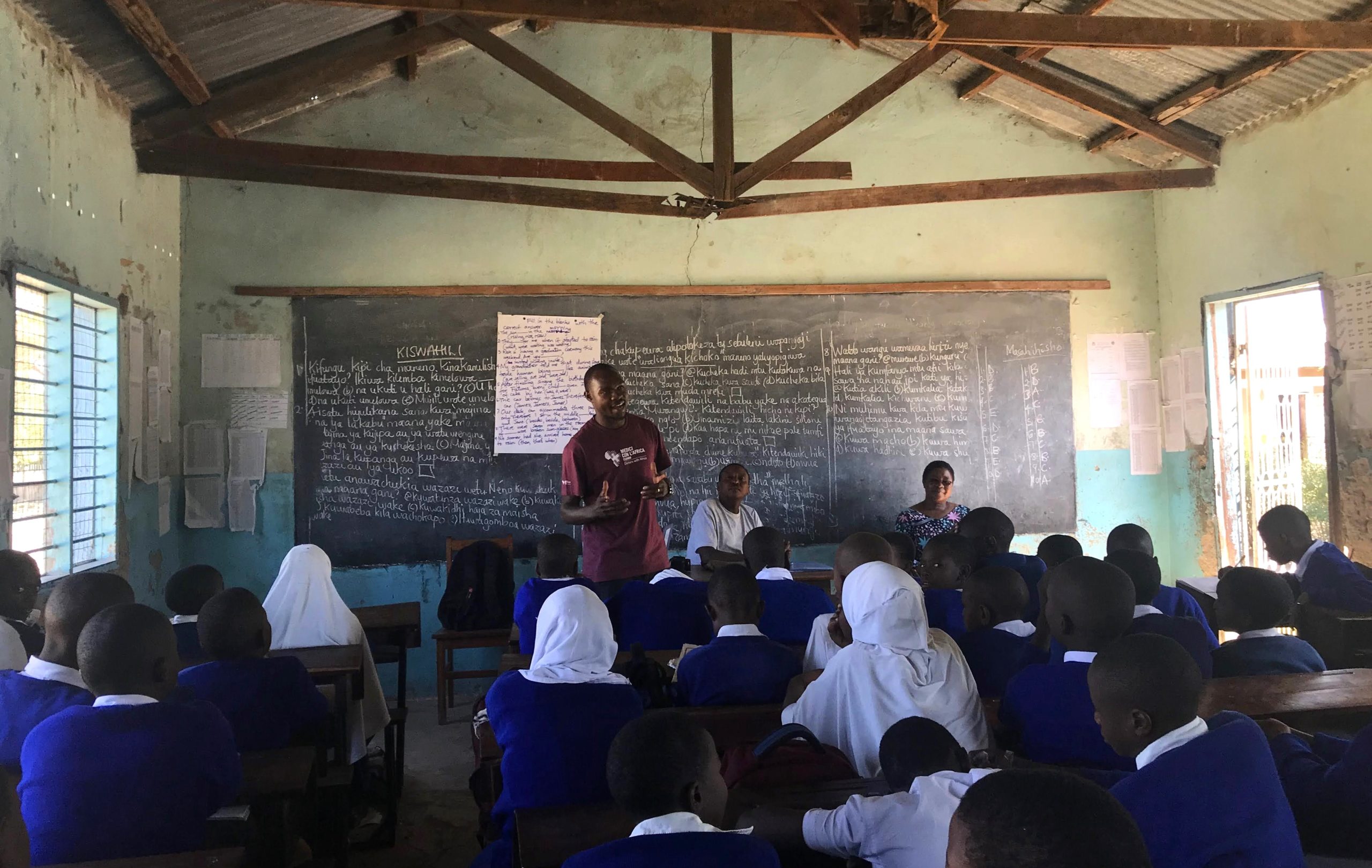
«Since last April, – reports project leader Chiara Didonè from the field – we have been implementing a program, financed by AICS, led by the University of Florence, in the Shinyanga area, with the aim of treating young people effected by HIV, but in particular to raise awareness on the value of prevention. Prejudices related to this virus hinder early diagnosis, as well as geographical distances and poor transportation to reach hospitals and specialized centers discourage people from taking the test.

For this reason, CUAMM goes to schools, setting up stands entrances of institutes. After awareness raising activities, we offer testing. We are also present in the Shinyanga Regional Hospital and in the health centers of Ngokolo and Bugisi, where we support health workers and where we offer real “adolescent clinics” every Saturday, so that young people with HIV can take advantage of routine checkups, receive treatment and meet more of their peers.

During the first phase of the project, in collaboration with local authorities, 15 schools, 10 secondary and 5 primaries, were selected to reach the 10-24 age group. In June alone, the program reached 444 students. Fundamental was the role of CUAMM’s Tanzanian doctor, who also works in sex and reproductive education: together, we overcome language issues – I am learning, slowly, Swahili – but above all else, we try to make the students comfortable.

I remember a significant episode about how words and knowledge can help change perspectives. Before going to a school, I met with one of the teachers to explain how the awareness and screening day would take place and to find out how many young people would participate: out of hundreds initially, only 16 agreed to be tested for HIV. All the others were fearful. Based on this number, we reached the institution with just a stand and one nurse, but after conducting the awareness activity, the screening involved as many as 117 people and we stayed at the school until 7 p.m.!

After that day, I engaged some students in a chat to understand what had contributed to overcome their fear and take the test. The most obvious aspect was to offer that service in school, in a context where almost every one of them felt understood. We professionals are a young team, we put music on, I talked while some students touched my hair, the driver made jokes. With little, we got them involved, as if we were among friends! The emotional bond that develops between CUAMM cooperators, especially during these outreach initiatives, is very strong and it works.

The testing part is always psychologically difficult. I remember when 17-year-old Elisa found out she was positive: the young girl did not know that her mother had HIV. Thanks to CUAMM Elisa was diagnosed, now she receives proper treatment, and has been informed of HIV-positive support project.

There is still much work to be done to combat prejudice and properly support patients, but Elisa’s story is proof that what CUAMM is doing is helping.

We have not stopped in summer either, as we have organized community-wide meetings with “over 20s”. Soon we are going back to school, between colleges and high schools, to be with Tanzanian girls and boys. To accompany the hope of a future in wich awareness decreases the risk of contracting the HIV virus, a future that as such, from young people cannot disregard!».

TRAINING: A NECESSITY

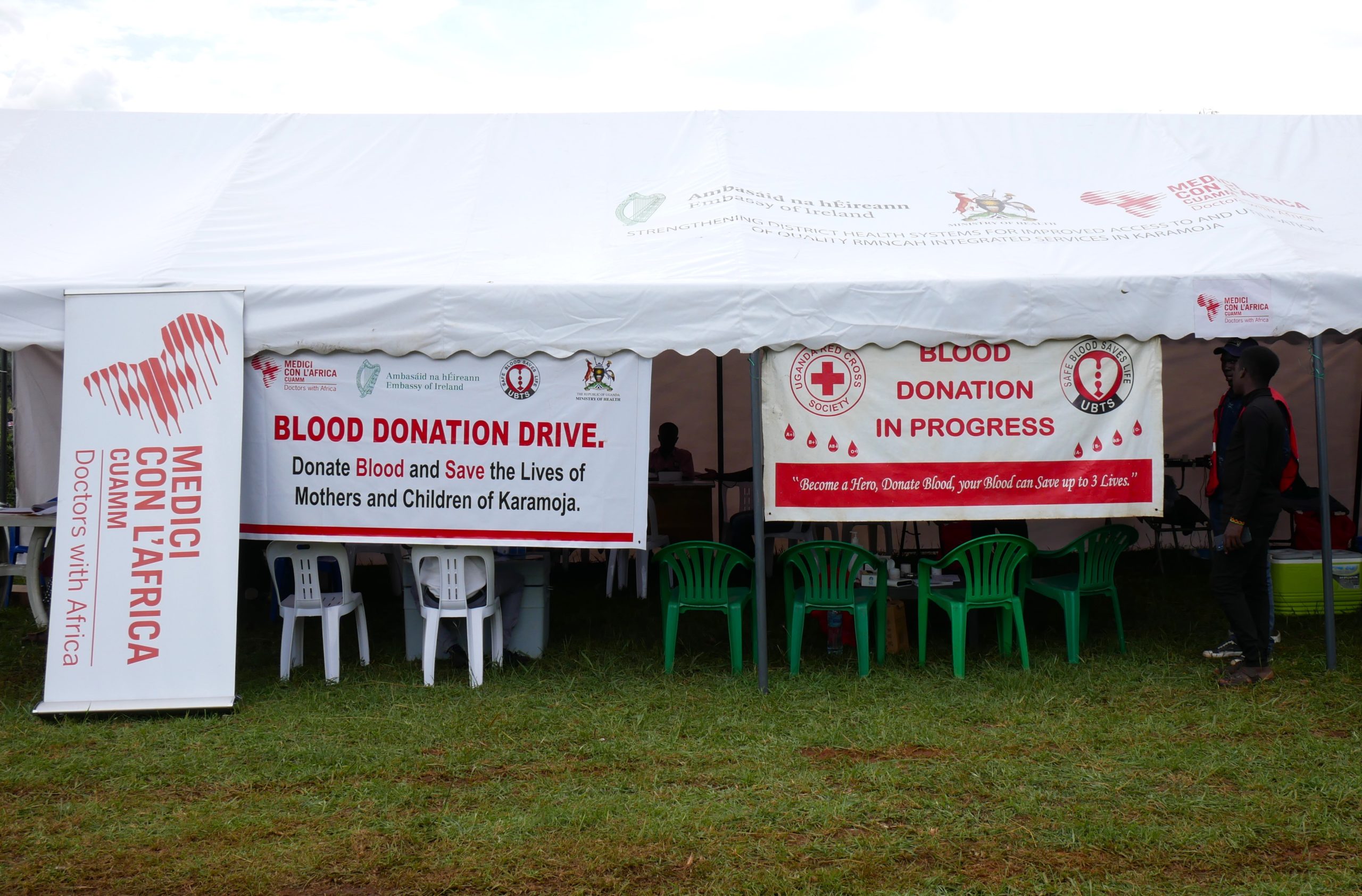
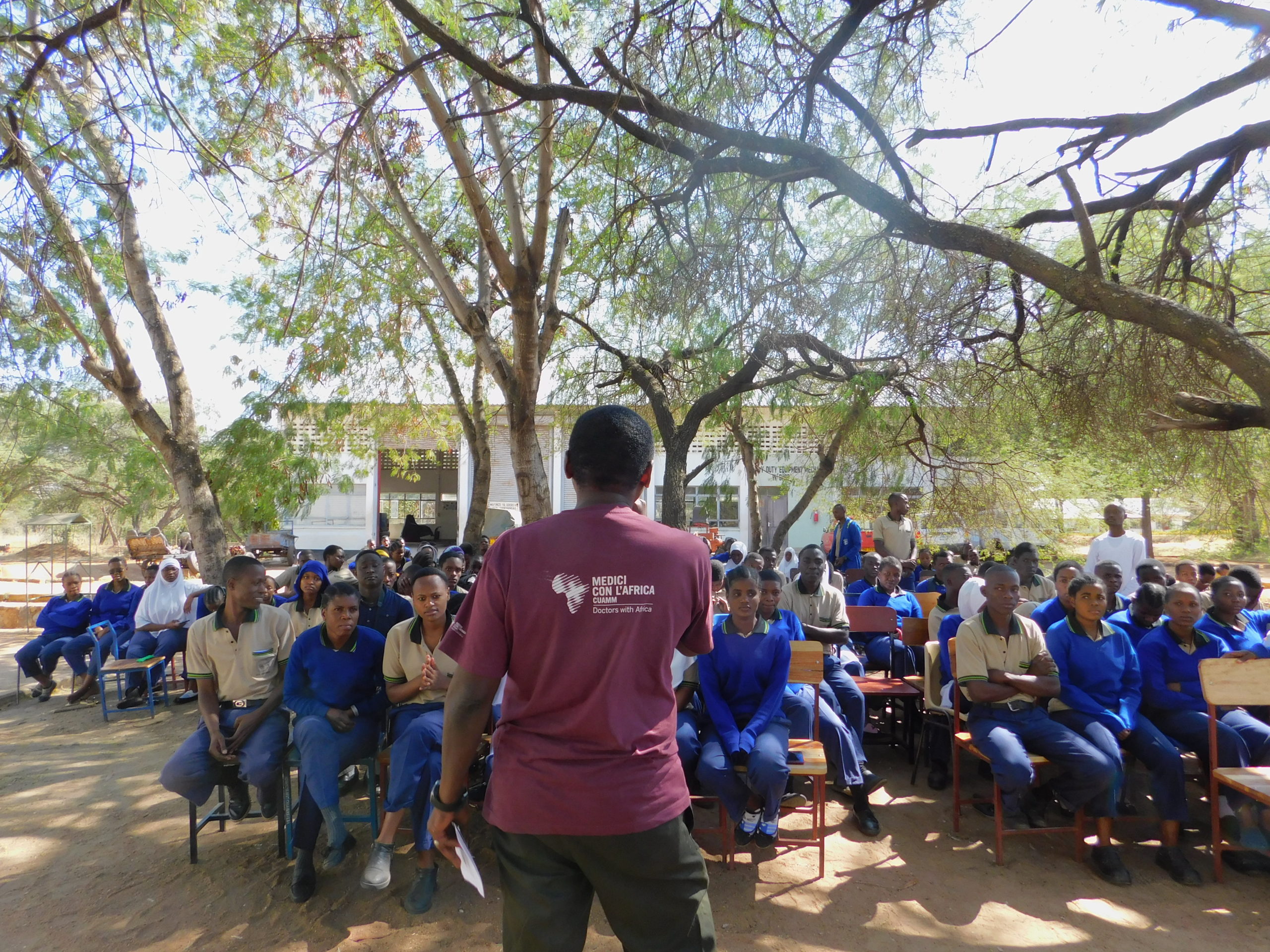
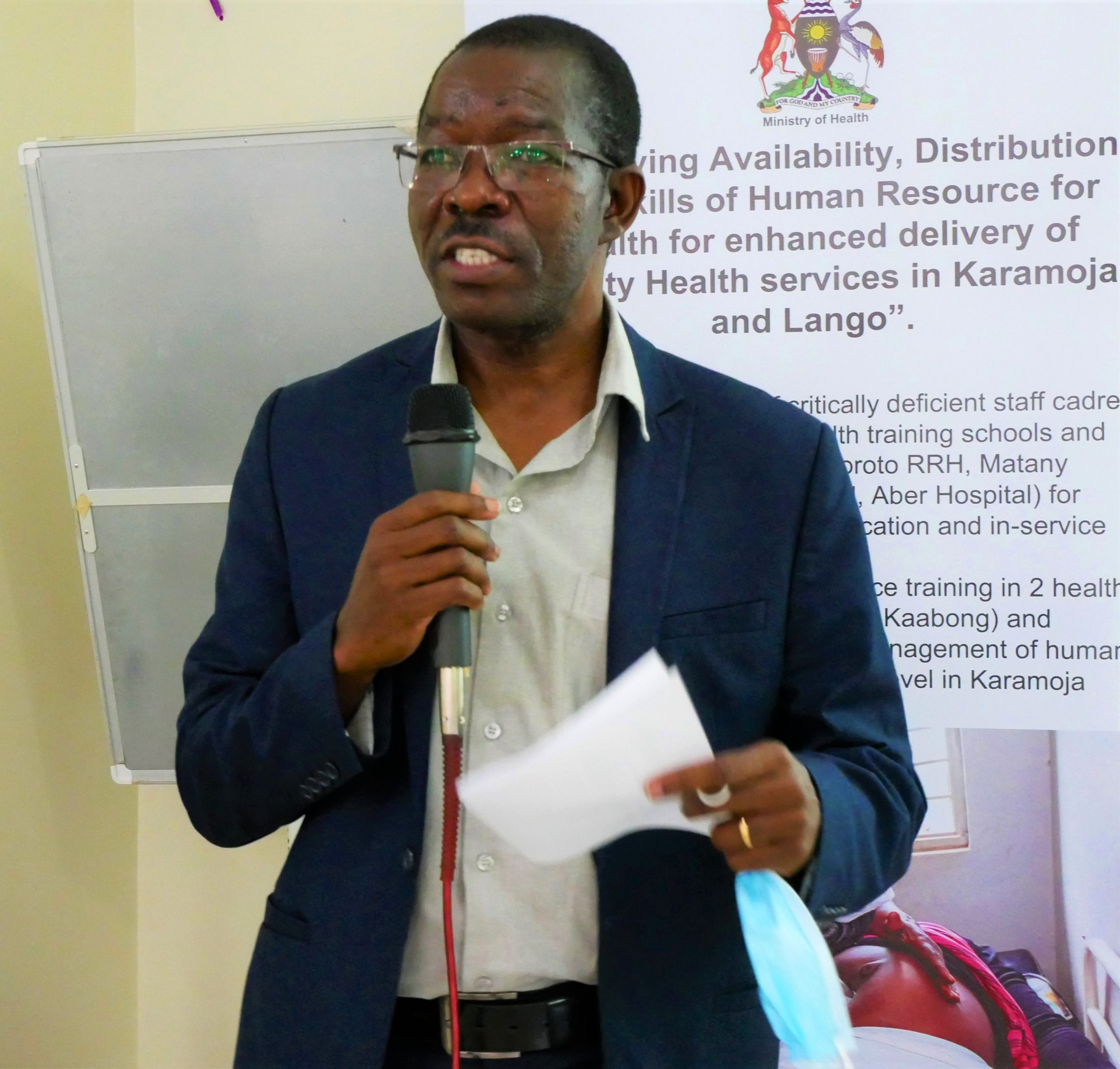
To provide better health services is possible, including in the Karamoja and Lango regions, by strengthening human resource training.  Since last June Doctors with Africa CUAMM, in collaboration with Elma Foundation, has been supporting a three-year project on maternal and child health to strengthen the skills of health personnel and offer support to the Ugandan Ministry of Health.

There are 37 professionals included in the training, among them anesthesiologists, radiologists, pediatric nurses, laboratory technicians and midwives.

The project was presented during a conference organized in the city of Soroti, which was attended by key stakeholders from the 9 districts of Karamoja and the 4 districts of Lango. This was a key moment for the involvement of local authorities, managers and health facility workers.

Karamoja and Lango regions, with a population of 3,756,500 people, suffer from a shortage of human resources in the health sector. In 2021, there were 1,164 vacancies in Karamoja, accounting for 41% of positions, while Lango had 936 vacancies, accounting for 27% of positions. There was a wide disparity of vacancies among districts and some key positions, such as anesthesiologists and radiologists.

During the meeting in Soroti, Peter Lochoro, CUAMM’s country representative in Uganda, emphasized that this program is timely to increase the number of anesthesiologists and to encourage learning about the use of equipment, such as x-ray machines, and in newborn care. “I am asking the districts to support us as partners in absorbing qualified staff – Lochoro said – starting with placement in private non-profit hospitals or neighbouring districts where there are shortages, so that professionals do not go out of work or change cities after specializing”.

On behalf of Elma Foundation, Rita Akankwasa thanked Doctors with Africa CUAMM for the fruitful collaboration, in support of Karamojacand now Lango to provide quality health services: “Recently CUAMM and Elma  successfully concluded a 4-year program in Karamoja, during which they worked in synergy with the districts to identify local nurses and midwives to be offered specialization. We are working hard, so that these health workers will be absorbed into the country’s workforce”.

In conclusion, the gratitude expressed by Patrick Barughare, representing the Ugandan Ministry of Health: “When we talk about human resources for health, we focus not only on health workers, but on all those people who are engaged in actions that make a difference in the health service. In Uganda, human resources for health is guided by a 10-year strategic plan (2020-2030), which includes three steps: planning, development and management. The major issues are limited salaries, the need for thorough training, and lack of equipment. This project is helping us address all these difficulties, for better health care!”.


THE BEAUTY OF DOING YOUR PART

«Today is a special Thursday for me! On August 11, 8 years ago, I joined Doctors with Africa CUAMM. And started to work with professionals who dedicate their time and energy to Africa, often giving up so much to help the most vulnerable.

To hold the admistrative role in this organization means going far beyond accounting, logistics, mobilization and management of resources to implement projects. At CUAMM I have the opportunity to support mothers, children and other fragile groups to have access to quality health care and therefore to improve their well-being.

I am proud of my small contribution: in 8 years, my skills have saved the lives of malnourished little ones, patience with HIV and chronic diseases. It is exciting to reap the rewards of my hard work. The achievements of doctors, nurses and non-medical staff to assist people to the last mile. I am proud to be part of a team that strives, daily, for the right to health of my people!

Foundamental to me were Mahatma Gandhi’s words, “Whatever you do will be insignificant, but it is very important that you do it”. If each of us enacts the insignificant, we will collectively have a huge impact in people’s lives, therefore, we must do it!

Eight years ago, I started with small prject management, eventually moving on to deal with articulated projects. CUAMM gave me confidence, as did my colleagues, who helped me grow professionally and as a human being. THANK YOU!».

TENDER ANNOUNCEMENT TENDER FOR THE PROVISION OF HUMAN MEDICAL SUPPLIES AND MEDICAL EQUIPMENT

Doctors with Africa CUAMM Ethiopia is launching the present Local Open Procedure to select eligible suppliers for Hospital Equipment, Human Medical Drugs and Hospital Consumables to support Hospital and Health Centres.


00 Medical Supplies_Tender announcement

01 Medical Supplies_Contract Notice

02 Medical Supplies_Instruction to participants

03 Administrative Compliance Grid

04 Evaluation Grid

Annex I_Tender Submission Form

Annex Ia _Declaration of Hounor

Annex II and III_Specifications and Technical Offer

Annex V_Legal Entity

Annex VI_Financial Identitfication form

Annex VII_Contract Form


TENDER ANNOUNCEMENT |TENDER FOR THE PROVISION OF HUMAN MEDICAL SUPPLIES AND MEDICAL EQUIPMENT

Doctors with Africa CUAMM Ethiopia is launching the present Local Open Procedure to select eligible suppliers for Hospital Equipment, Human Medical Drugs and Hospital Consumables to support Hospital and Health Centres.


00 Medical Supplies_Tender announcement

01 Medical Supplies_Contract Notice

02 Medical Supplies_Instruction to participants

03 Administrative Compliance Grid

04 Evaluation Grid

Annex I_Tender Submission Form

Annex Ia _Declaration of Hounor

Annex II and III_Specifications and Technical Offer

Annex V_Legal Entity

Annex VI_Financial Identitfication form

Annex VII_Contract Form


ONE IN THREE HUNDRED: THE STORY OF LITTLE PETRO

«Petro was born at Tosamaganga Hospital last April. Delivery occurred by natural means, but the baby needed oxygen therapy. So, he was admitted to the neonatology ward, where he received all necessary treatment. Due to breathing difficulties, during the early days of hospitalization, the baby was not able to breastfeed. On the fourth day, Petro got better and, as customary in the ward, we asked the mother to squeeze milk from the breast for her baby. However, only then the woman told us that she was never even able to breastfeed her previous children, who passed away within a few months of birth. Given the exceptional situation, we decided to help the mother and her baby, offering them formula», explains Martina Borelli, Doctors with Africa CUAMM’s paediatrician in Tanzania.

From January to July 2022, in the neonatology ward of Tosamaganga, 300 children have been admitted. Petro is one of them, the only one discharged with formula. Hospitalized children, in fact, receive breast milk as soon as possible and mothers are educated by local staff on the importance of breastfeeding, for themselves and for their baby. All over the world, particularly in low-to-middle income countries such as Tanzania, breast milk is an essential food, not only because of its singular nutritional properties, but also for its financial sustainability. Not being able to guarantee it puts the lives of the most fragile at risk, as the story of Petro’s two little brothers shows.

Today more than ever, breast milk becomes the best defence against malnutrition for African children: the rise in the cost of living and basic necessities, tangible consequences of the ongoing war in Ukraine, causes exponential growth in cases of children with severe acute malnutrition. Without taking into account the sanitary and economic impact of the Covid-19 pandemic. In Tanzania, only 59% of infants under six months are exclusively breastfed. Sometimes mothers tend to feed babies too early with solid foods that can cause permanent damage at such an early age. CUAMM’s commitment to awareness raising activities on the topic of breastfeeding is ongoing. With the support of professionals trained in health centers and through home visits, efforts are made to educate about proper nutrition for one’s baby, which always begins with breast milk.

«Petro is now 4 months old, – concludes Martina – he grows and is doing well. His mother comes back regularly to Tosamaganga Hospital for check-ups and CUAMM staff continues to support the family. The story of this child, one in three hundred, further emphasize the need, at a global level, to protect and promote breastfeeding, the foundation for an equal and sustainable development».

PROMOTING BREASTFEEDING TO PREVENT MALNUTRITION

As usual, even more so this year, Doctors with Africa CUAMM participated to the world week for maternal breastfeeding launched by the World Alliance for Breastfeeding Action (WABA), supporting and promoting in its daily commitment in the field the importance of breastfeeding to ensure a healthy development of children and to prevent malnutrition.

Why?

9.8% of world population does not have regular and daily access to food. A staggering 828 million people suffered from hunger in 2021, 46 million more from 2020 and 150 million more from 2019. An estimated 2.3 billion people worldwide (29.3 percent) lived in moderate or severe food insecurity in 2021, 350 million more than the previous year. About 45 million children under the age of five are malnourished.

Africa carries the heaviest burden

One in five Africans, the 20.2%, suffered from hunger in 2021. These are the alarming figures from the United Nations SOFI 2022 Report on food insecurity and nutrition worldwide, a reflection of the sanitary and economic impact of the Covid-19 pandemic, of the intensification of extreme climate change effects and of conflicts, resulting in a drastic growth in inequality. A scenario further aggravated by the ongoing war in Ukraine, which brought global supply chains to a halt, causing an increase in the prices of grain, fertilizer, energy, and ready- to-use therapeutic food (RUTF) necessary for children with severe acute malnutrition.

Commitment to the field

The world week for maternal breastfeeding then, becomes another opportunity to strengthen the work of maternal and child health intervention done in the various countries, also as part of the program “Mothers and Children First. People and Skills.”

From Ethiopia to Mozambique, from Uganda to the Central African Republic, there have been many initiatives to raise awareness and educate about the importance of exclusive breastfeeding, particularly in the first six months of a child’s life, which is crucial to health and development and, consequently, to the well-being of society as a whole.

In Ethiopia

In Ethiopia, about 58% of children are exclusively breastfed for the first six months (EDHS 2016). This rate is due to the fact that, contrary to the recommendation, many infants are also fed with water, herbal remedies or are early initiated to complementary food other than breastmilk before turning six months old.
“During the recent conflict in cities near Jinka, in South Omo, we have seen children survive to the crisis just trough breastfeeding – recounts Eleni, Ethiopian paediatrician at CUAMM – When mothers get to the hospital with their children sometimes they cannot procure enough food for the journey and for their stay. Most of the times the only source of food for these children is breast milk. We also hospitalized some infants because they had been fed solid foods and herbal remedies that caused them gastroenteritis, dehydration, gastrointestinal bleeding and sepsis. These cultural practices are deeply rooted and widespread. Therefore, we try to educate all hospitalized mothers on what exclusive breastfeeding is and how important it is for their health and that of their little ones. In addition, training was given to health workers, according to WHO guidelines – Eleni continues – It is the health workers, then, who teach mothers good practices during health education activities in hospitals and in the community. In June, we held an updating course for more than 30 operators, concentrating on the importance of initiating breastfeeding in the early hours of life and how to facilitate and practice it properly, using instructional videos.”

In Mozambique

Neonatology at Beira Central Hospital is divided into two areas: kangaroo and intensive care – reports Elena Altieri, Cuamm’s paediatrician in Beira, in Mozambique –. In the former, skin-to-skin contact between mother and baby is encouraged, including through the very practice of kagaroo, breastfeeding or the feeding of extracted breast milk in premature infants who still have sucking problems. In the latter, on the other hand, are the most critical infants who are admitted without their mothers, but even in this case, preference is always given to the administration of extracted breast milk. Every day, when mothers visit, they are encouraged to pump milk, explaining the countless benefits that breast milk has for their babies. A course on managing obstetric and neonatal emergencies for ambulance and peripheral health center nurses was held in recent weeks – recalls Elena – In the section on the newborn, the importance of initiating early breastfeeding in the first hour of life in the delivery room was widely emphasized.”

However, the difficulties are not absent, and the indirect effects of Covid-19 have also affected Beira Hospital, as Maria Luisa, a local neonatology nurse, recounts: “Regarding rural areas, we have the problem of transferring babies from locations far away from Beira. When mothers are not hospitalized, the distance and cost of transportation prevent them from coming to the hospital several times a day and therefore from breastfeeding their baby as often as necessary. With the pandemic, these difficulties have been exacerbated and only now does the situation seem to be improving and the use of extracted breast milk has increased again.”

In Uganda

In Uganda, the promotion of breastfeeding is part of the normal “package” of activities provided for maternal and newborn health. At the health center level, Cuamm supports the training of midwives and the practice of breastfeeding is explained especially during prenatal visits. At the village level awareness is raised through radio messages and during community discussions and meetings with village health teams (VHTs), the village community workers. However, there are some regions where Cuamm works, such as Karamoja, where in recent years, climate change and the current food crisis are having a major impact on breastfeeding, mothers, not having quality food for themselves, are not able to produce nutritious milk for their babies.

Never before has the widespread adoption and promotion of breastfeeding been so crucial: it can prevent 20,000 maternal deaths from breast cancer and 823,000 infant deaths a year (The Lancet), as well as decrease economic losses and the burden on countries’ health systems.

In Sierra Leone

“I had my first daughter at 24 years old and I knew nothing about breastfeeding. I had no one to “teach” me how to raise a child because I had lost my mother seven years earlier –  tells us a mother during an awareness meeting at the PCMH hospital in Freetown, Sierra Leone – At the time, I was feeding my one-week-old baby girl with both my milk and water and therefore she became ill with pneumonia. It was not until my second pregnancy that I started learning a lot about exclusive breastfeeding, hygiene, weaning and taking care of my babies in the hospital, thanks to the health workers. I am grateful for the support I received.”

In Central African Republic

In CAR, health awareness and education activities take place in the yellow code waiting room, triage and wards. The main messages are about hygiene, before and after breastfeeding, and the benefits of exclusive breastfeeding to strengthen the immune system and improve the child’s growth and cognitive development.
Breastfeeding support is a public health issue, a collective responsibility that requires investment at all levels.