Autore: Redazione Cuamm
FIGHTING TB IN ANGOLA DURING THE COVID-19 OUTBREAK
Ensuring and increasing access to tuberculosis (Tb) and Tb/Hiv prevention, early diagnosis and treatment services in the context of the Covid-19 epidemic in Angola. This has been the main objective of the CombaTB project, funded by the Italian Agency for Development Cooperation, which is coming to an end today. Started in November 2021, the intervention focused on five health centres and three hospitals in the municipalities of Luanda, Kilamba Kiaxi and Talatona.
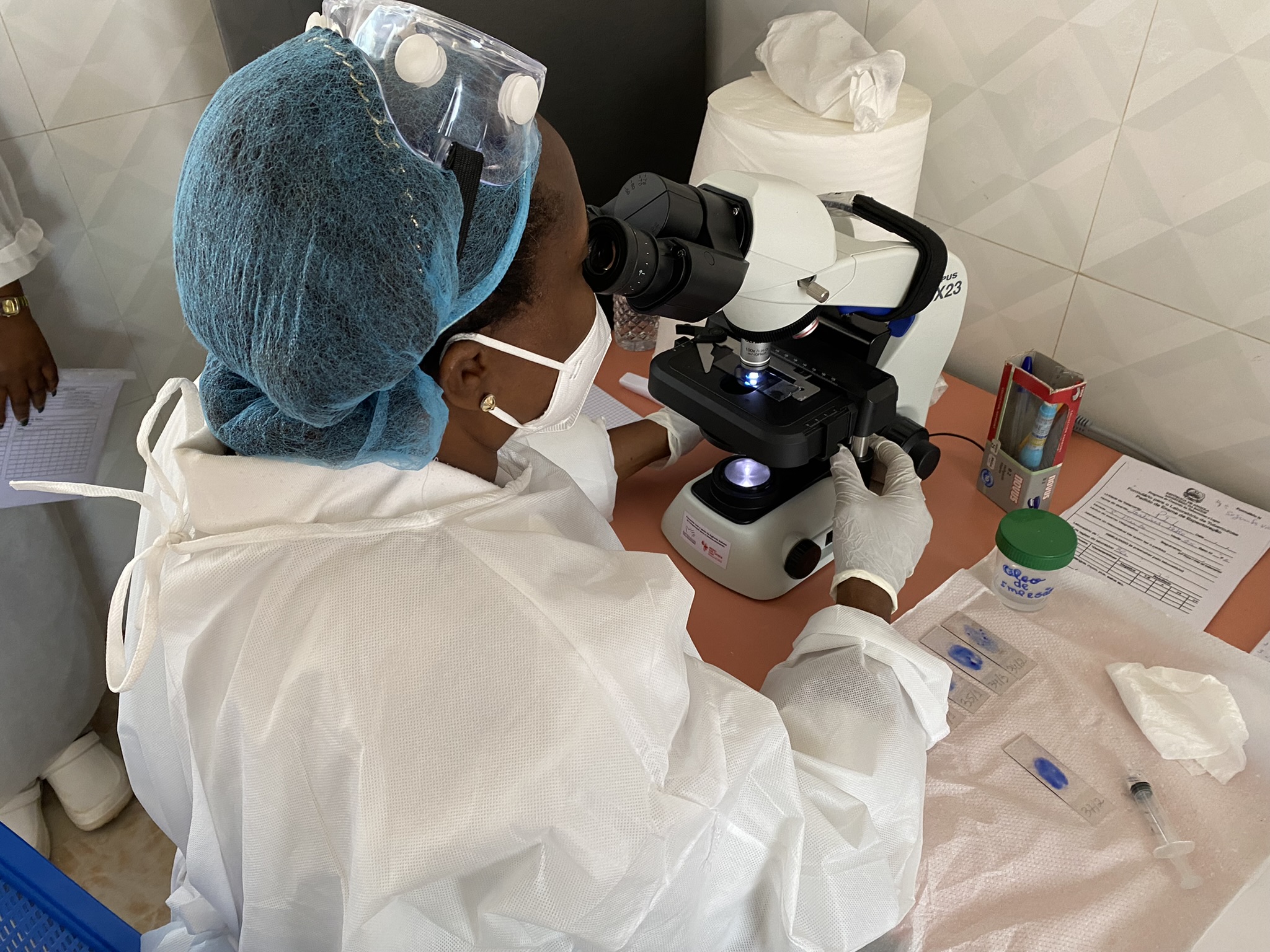
11,048 Tb patients registered, 5,363 Tb patients tested for HIV and put on treatment, 18,445 individuals sensitised on Tb,Tb/Hiv and Covid-19. In addition, 11 community activists trained on Tb, HIV and Covid-19 prevention measures, promotion of diagnosis and treatment services, and 47 laboratory technicians trained on Tb diagnosis. These are just some of the results achieved from the start of the project to April 2023. In addition to the provision of laboratory equipment and materials, the intervention also enabled the development of the integrated ‘Stop Tb-Hiv’ software with training on data collection and digital medical record compilation.
To date, 19 health workers have been trained in the use of the software and digitisation of patient registers and 7 health units register patients using the digital data collection system. The adoption of the software provided by Cuamm not only improves the quality of the data, avoiding errors and interpretations, but also optimises registration times. In addition, it makes it possible to follow the patients during the months of treatment, indicating the most critical cases automatically.

Present in Angola since the 1990s, Doctors with Africa Cuamm continues to support the Angolan health authorities, in particular the provincial health authorities of Luanda and the National Tuberculosis Control Programme, through an integrated approach to strengthen the health system. A commitment that has been further strengthened in this project thanks to the support of various partners: the Italian Centre for Global Health (ISS), the Gabinete Provincial de Saùde de Luanda (GPSL), the National Tuberculosis Control Programme (NTCP) and the association Ajuda de Desenvolvimento de Povo para Povo – Angola (ADPP Angola).
This intervention, too, was a continuous learning and knowledge-building process. Tb patients need special support because of the duration of treatment, ranging from 6 (Tb sensitive) to 18 months (Mdr-Tb multi-resistant). To reduce mortality, better identification of co-morbidities, such as HIV and diabetes, through standard screening of all Tb cases, together with nutritional support plans (food basket) is needed. Community awareness is crucial, not only to inform the population but also to identify new patients, reduce transmission and combat stigma. Finally, there is a need to standardise laboratory practices for Tb diagnosis, ensuring not only the availability of equipment but also supply planning and proper maintenance by the relevant health authorities.
TENDER | FOR MEDIAL DRUGS, EQUIPMENT AND CONSUMABLE SUPPLY CONTRACT
The NGO Doctors with Africa CUAMM Ethiopia, is launching the present Flexible Simplified Procedure to select a contractor for the supply of medical drugs, equipment and consumable in Gambella, Ethiopia.
Annex II & III – Technical Specifications and Technical Offer
Annex V – Administrative Compliance Grid
TENDER ANNOUCEMENT | Constructions and Renovations Works
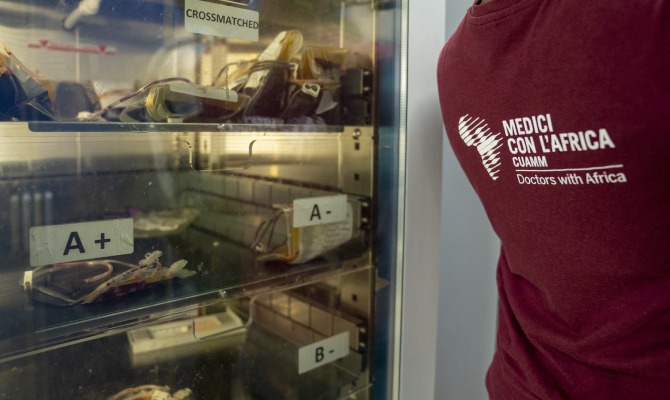
TENDER | blood bank consumables to Gambella, Ethiopia
Doctors with Africa CUAMM, is launching the present Flexible Simplified Procedure to supply blood bank consumables.
ONE MOTHER, FOUR BIRTHS, ONE HEALTH TEAM
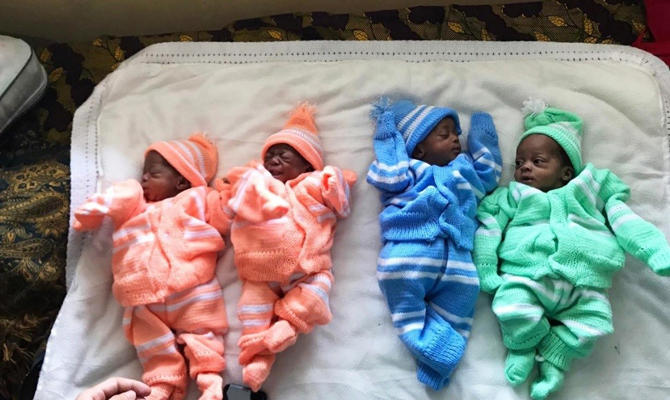
It is a story of success, joy an above all life the one we receive from Tosamaganga hospital, Tanzania. It is the story of a mother, four births and a team of health workers dedicated to ensuring that woman and her newborns a safe delivery.
«Lucy, Luth, Lucas e Luciana were born premature, weighing between 2,2 and 3,3 pounds. Right after the delivery, the four twins were transferred to the neonatal intensive care unit. A 55-days-long adventure begun that Saturday. Low expectations, maximum efforts from all of us. We took care of the twins, we never left them alone, it was a team work in which everyone played their part: doctors, nurses and Pahima, the mother, an extraordinary woman, quiet, confident, caring and above all conscious. Five days after giving birth, Pahima suffered from complications that urged us to operate to avert the worst. Three days after the surgery, Pahima was back on her feet, close to her newborns. This mother’s determination contaminated each of us» tells Luca, CUAMM pediatrician at Tosamaganga hospital.
“Mothers and children first. People and skills” is the program designed by Doctors with Africa CUAMM to stand alongside the most vulnerable who are mothers and children. The program was launched in four sub-Saharan African countries with the twofold objective of ensuring mothers and newborns quality health care from early pregnancy to the second year of newborns’ life while also training qualified health workers who are the key drivers in the improvement of health systems.
«The day our patients were discharged, the whole unit was so permeated with joy that we took a picture to save a memory of this little yet great story which is beyond a tale, it is reality. We will keep taking care of them with post-natal visits during their first year of life. As for today, we want anything but celebrate this story».
Doctors with Africa CUAMM is committed to promote the program with the end goal of improving access to quality health care, especially maternal and child services, and ensuring its sustainability and continuity over time in 8 countries and 14 hospitals and surrounding areas.
YOUTH AND RESEARCH: FOR AN HIV-FREE FUTURE
Provide local health authorities with updated information on adolescents and young adults HIV+ in order to strengthen the health system, particularly HIV services. This is the overall objective of the research that the University of Florence is carrying on in partnership with CUAMM in Shinyanga Region, Tanzania, as part of the project “Improving health and well-being of adolescents and young adults HIV+”, financed by the Italian Agency for development cooperation. There are 3 main Care and Treatment Centers (CTCs) involved, namely Bugisi HC, Shinyanga Regional Referral Hospital and Ngokolo HC.
The study will analyse barriers to access to HIV services for adolescents and young adults living with HIV, disaggregated by gender and age group, and explore their psychophysical status. Particular attention will be paid to investigate the impact of COVID-19 on both the access to HIV services and mental health of HIV+ adolescents and young adults.
«Research is essential to guide action and make informed decisions. Adolescents and young adults are at a vulnerable stage of life. As we strive to ensure UNAIDS 95-95-95 goals are met, we are conducting a mixed methods study to investigate barriers to access and utilize HIV services among HIV+ adolescents and young adults in Shinyanga region and to assess their mental health status. In the midst of COVID-19 pandemic, our study also aims to investigate the impact of COVID-19 on their wellbeing and the scars it has left in the public health sector», affirms Constantine Ntanguligwa, CUAMM doctor and principal investigator of the research.

Mixed methods, qualitative and quantitative, will be deployed for data collection. Particularly, a close-ended questionnaire, focus group discussions and in-depth interviews will be conducted. Moreover, data on adherence and access to HIV services from registry of the involved health facilities, will be analyzed to compare the situation before and during the COVID-19 pandemic.
«Working with teenagers, particularly those between 10 and 14 years’ old, requires a lot of care and delicacy. Many of them are not fully aware of what HIV is even if they are in daily treatment. Some of them face stigma at school and within their community for the HIV status. Moreover, mental health challenges are not to be underestimated and should be increasingly considered as key issues to be addressed – claims Chiara Didonè, CUAMM project manager in Shinyanga-. This has to be taken into account when designing interviews and formulating questions. This is why we have selected young doctors to support us in this phase, to put teenagers at ease».
If we want to imagine a future without HIV, we have to definitely start with adolescents and young adults, listening to them and making them feel an active part of this path.

Provision of Vehicles Rental Services| in Somali and Gambella Regions, Ethiopia
Doctors with Africa CUAMM, under its projects implementation in Gambella and Somali Regions, is launching the present Flexible Simplified Procedure to select service providers for vehicle rental services.
01 Vehicles Rental_Tender announcement
ANNEX I – Instruction to participants rev
ANNEX II and III – Specifications and Technical Offer
ANNEX IV – Tender Submission Form
A SPACE TO TAKE CARE OF PEOPLE
From February 2023, all health units in Mozambique will be able to register patient data on chronic non-communicable diseases, particularly diabetes and hypertension, in the SISMA statistical system, developed by the Ministry of Health (MISAU), thanks to the support of Doctors with Africa CUAMM. An important and innovative step for the country, developed as part of the “Prevention and control of non-communicable diseases” project in Maputo and the provinces of Sofala and Zambezia, financed by the Italian Agency for Development Cooperation (AICS) and implemented in partnership with the Community of Sant’Egidio and AIFO. The intervention, recently concluded, has contributed to strengthening the Ministry of Health’s capacity to respond to the increasing incidence of noncommunicable diseases in the country, developing action aimed at improving early diagnosis and treatment.
According to the World Health Organisation (WHO), chronic non-communicable diseases cause 28% of deaths in Mozambique, of which 12% are due to cardiovascular diseases, 3% to cancer and respiratory diseases, 2% to diabetes and 7% to other chronic diseases. 33.1% of the Mozambican population is hypertensive: only 18.4% are aware of their condition and, even among those who are aware, about half do not monitor themselves and do not follow treatment regularly.
«The current digital system already permitted the collection and recording of epidemiological data, e.g. cases of malaria, while for chronic non-communicable diseases the available data were recorded monthly in the paper registers of each health unit and then transmitted first to the district, then to the province, and finally to the Ministry – says Paolo Massaro, who was in charge of the project for CUAMM-. Now in SISMA all screening for diagnosis and follow-up visits of patients are recorded, divided by gender, reporting any associated diseases and complications».
Together with the Ministry, CUAMM organised specific training for IT and statistical experts and focal points for chronic non-communicable diseases in the various provinces. Achieving this result has been a long process, above all constant coordination work with the local authorities and the Ministry’s Planning and Cooperation Department, which made it possible to create the first MISAU technical working group on chronic diseases.
In addition to the digitisation of data, the “cantinhos de rastreio”, spaces within the health units dedicated to screening for chronic non-communicable diseases, were also created. Activists and volunteers, including nurses awaiting employment or already retired, have been trained in chronic disease services. Today they take care of measuring blood pressure with a digital sphygmomanometer and checking the weight and height of all people who come to the health units before they are seen by doctors. «The cantinhos initiative was one of the best strategies adopted by the project – says Artimisia Mainato, nurse in charge of the project in the province of Sofala – because it allowed for a significant increase in screening, easing the workload of the clinical doctors and, as a result, also reducing waiting times for patients». In January 2023, the Ministry of Health approved the introduction and expansion of Cantinhos de Medição de Tensão Arterial on a national scale, as a standard and compulsory countrywide strategy.
The cantinhos are an additional and free service of the health units, which has led to a significant increase in the number of people screened for chronic diseases, which has grown from about 5 to 40-50%. A space to take care of people.
BLOOD BANK EQUIPMENT | AND CONSUMABLE SUPPLY CONTRACT
The NGO Doctors with Africa CUAMM Ethiopia, is launching the present Flexible Simplified Procedure to select a contractor for the supply of equipment and consumable supply for the Blood Bank n Gambella, Ethiopia.
Annex II & III – Technical Specifications and Technical Offer
Annex V – Administrative Compliance Grid
Annex VIII – Special Conditions