This is not just the launch of a new healthcare service, but the end of isolation and a return to dignity and health for so many women.
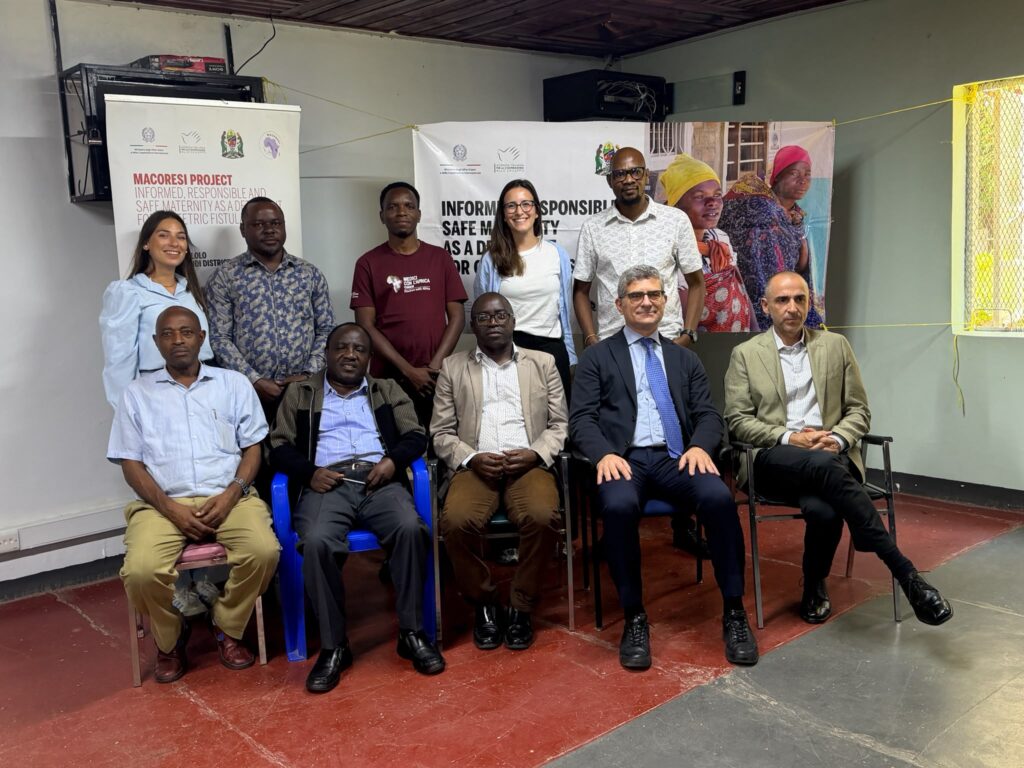
On November 19, 2026, inside the Tosamaganga Hospital, the new clinic dedicated to obstetric fistula was officially inaugurated. The facility was established as part of the MACORESI project (Conscious, Responsible, and Safe Motherhood as a Deterrent to Obstetric Fistula), promoted by the University of Campania “Luigi Vanvitelli” alongside Doctors with Africa CUAMM, with the support of the Italian Cooperation.
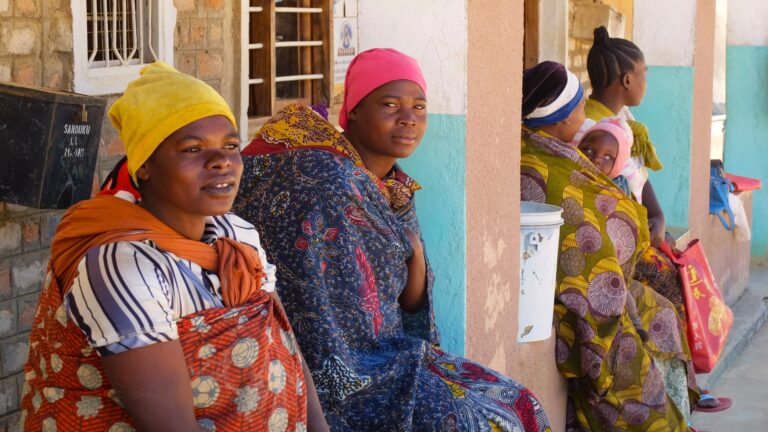
In Tanzania, according to estimates by UNFPA and the Fistula Foundation, approximately 3,000 new cases of obstetric fistula occur every year — a severe and debilitating injury caused primarily by prolonged, obstructed labor that goes untreated in time. The condition disproportionately affects rural, low-resource areas such as the Iringa Region, where distance from health facilities and a shortage of emergency obstetric care expose young mothers to serious risks, leaving deep physical and psychological consequences that almost always result in social exclusion.
The opening of the clinic in Tosamaganga therefore marks a tangible turning point for the region: here, women can finally count on a safe, welcoming, and specialized space for screening, diagnosis, and starting their treatment journey. The beating heart of this inauguration was the side-by-side work in the field.
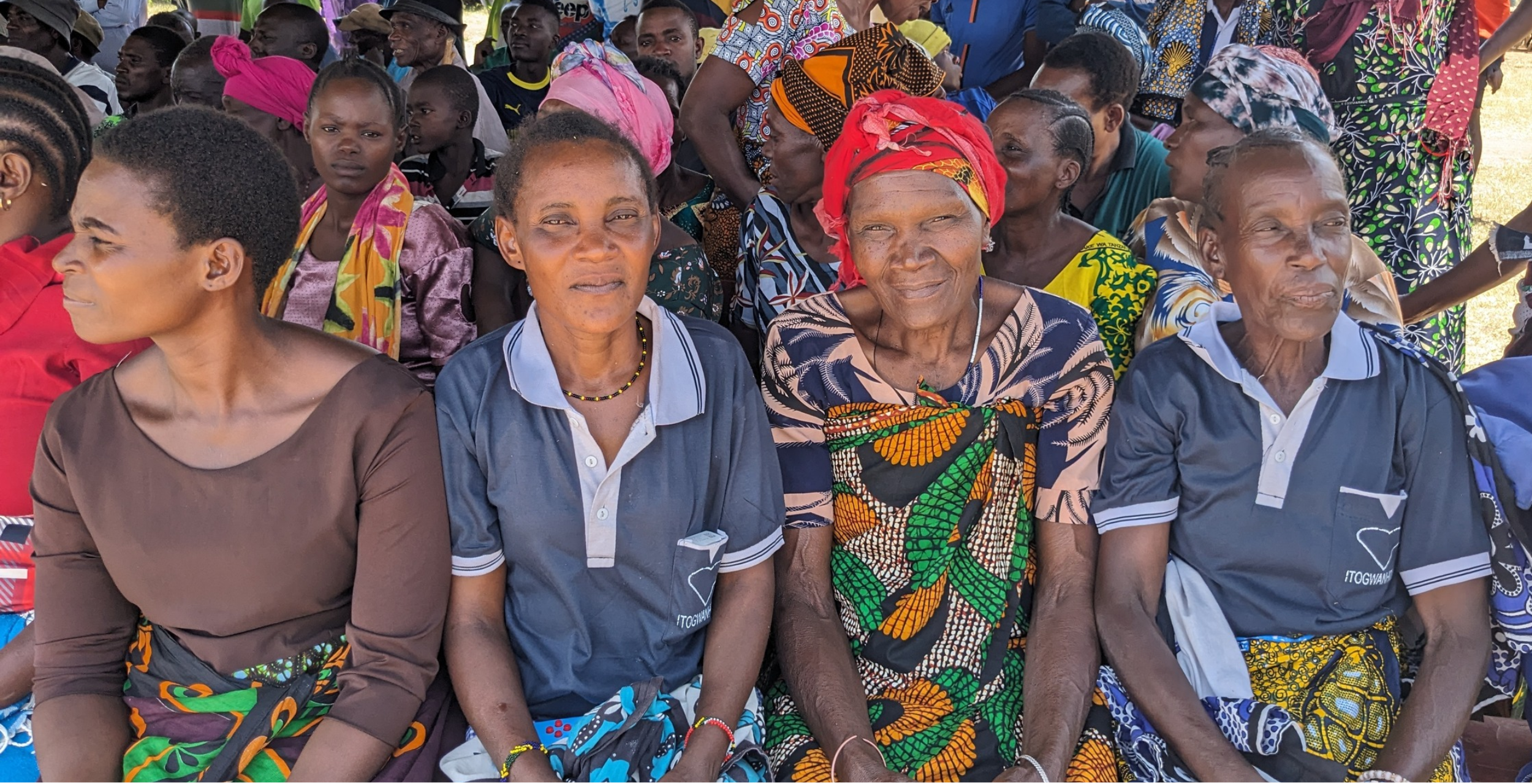
Already on November 18 and 19, thanks to practical on-the-job training led by Prof. Colacurci and Prof. De Franciscis, Professors of Gynecology at the University of Vanvitelli, the MACORESI project gynecologists carried out the first screening visits. Women came for consultations from villages across the Mufindi, Kilolo, and Iringa districts: for them, this clinic means bringing care closer to home, breaking down the geographical and economic barriers that too often stand in the way of accessing healthcare.
Data to Break Down Stigma: Findings from the First Field Survey
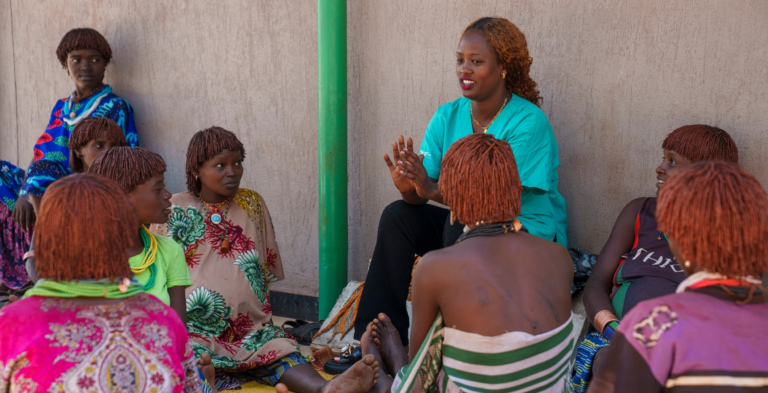
Understanding the problem to solve it at its root: with this goal in mind, the project’s coordination meeting was also held on November 19 in Tosamaganga. The gathering—which brought together local health authorities, CUAMM, the University of Vanvitelli, Tosamaganga Hospital, IDYDC, CCBRT, and Americares—provided the opportunity to present the findings of the first KAP (Knowledge, Attitudes, and Practices) survey on obstetric fistula in the region. The data painted a clear picture: awareness of the condition is closely tied to economic status, leaving the poorest families more exposed and uninformed. Yet it was above all the testimonies collected that moved those in attendance, recounting the heavy burden of stigma, rejection by their communities, and the struggle to rebuild a life. These are invaluable stories that will guide upcoming awareness-raising initiatives across the territory.
Research at the Service of Care: Collaboration Between Italy and Tanzania
To ensure these interventions have a lasting impact, clinical commitment goes hand in hand with scientific research. During the visit of the University of Vanvitelli delegation, a key meeting was held with the Muhimbili University of Health and Allied Sciences (MUHAS), the project’s Tanzanian partner, to launch a scientific collaboration focused on maternal health. In the presence of Prof. David Homeli Mwakyusa (former Minister of Health and current Chancellor of MUHAS) and Vice-Chancellor Prof. Appolinary Rugemalira Kamuhabwa, among others, the roadmap was laid out for conducting two operational research studies.
“It is essential to strengthen this collaboration and invest in research, translating scientific evidence into concrete interventions to improve the quality of health services,” emphasized Dr. Khadija Yahya-Malima, Chief Research Officer for Health at COSTECH.
By integrating healthcare delivery, community awareness, and operational research, the MACORESI project reaffirms its tangible commitment to strengthening the local health system and guaranteeing every woman the right to safe motherhood.