Beyond every disease is a person. Beyond every hospital is a health system. And being a doctor means caring not only for patients, but for the communities they belong to.
“Working with CUAMM taught me that, as a pediatrician, I must care not only for the disease, but for the whole person.”
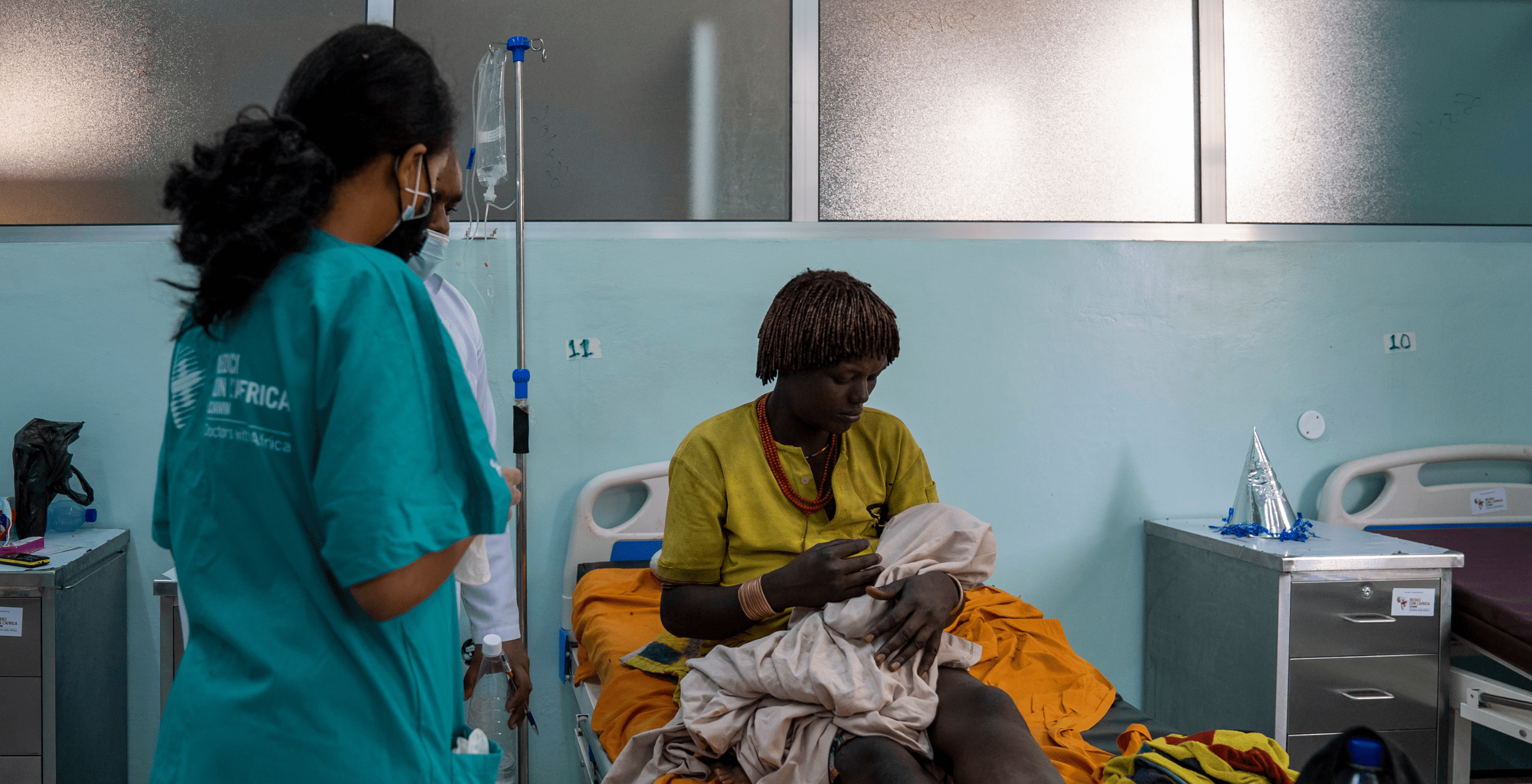
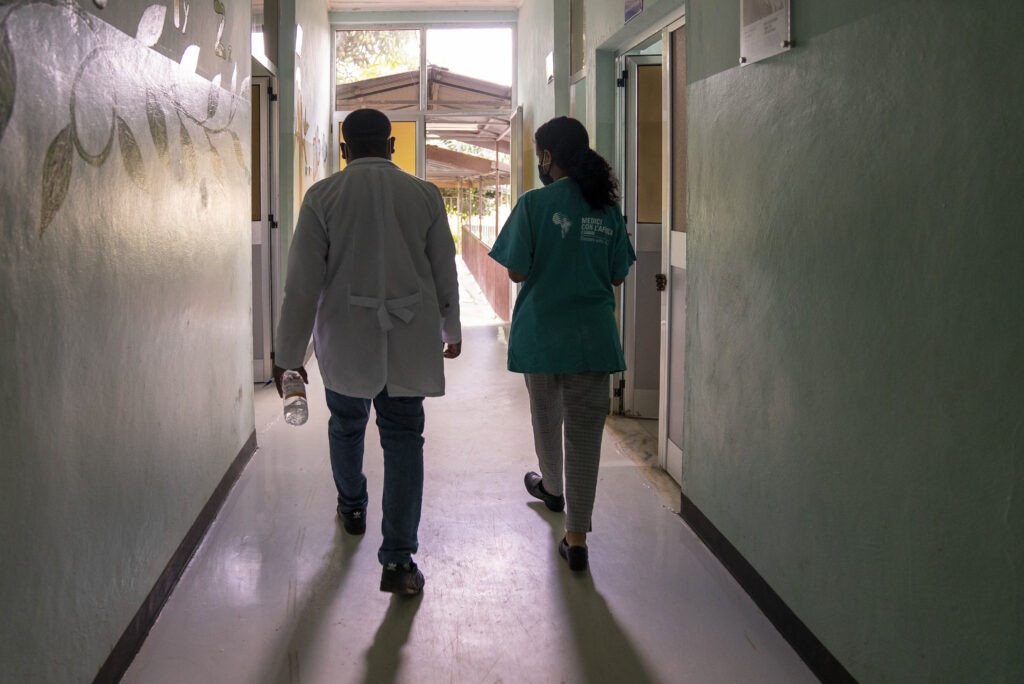
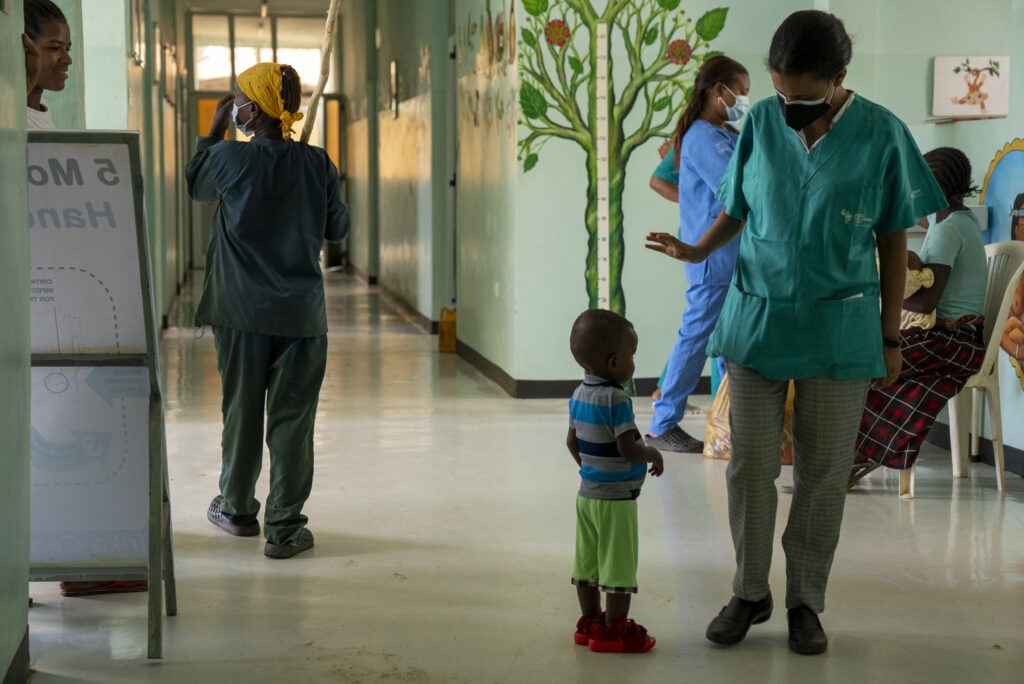
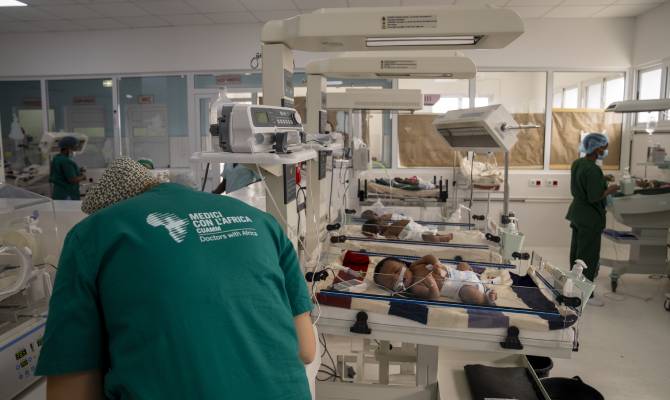
These are the words of Eleni Hagos, an Ethiopian pediatrician who has been working with CUAMM since 2020 at St. Luke Hospital in Wolisso, in the Oromia region, about 115 kilometres from Addis Ababa. In recent months, Eleni travelled to Italy for an advanced training and professional exchange programme between the Neonatal Intensive Care Unit (NICU) of the Gaslini Hospital in Genoa and the NICU of the Istituto Clinico Poliambulanza in Brescia, as part of a collaboration with the Union of European Neonatal and Perinatal Societies (UENPS).
Her visit concluded in Padua, where she took part in a workshop at Cuamm headquarters aimed at strengthening neonatal care in her home country.
Her first encounter with CUAMM happened almost by chance:
“I hadn’t planned to work here. One day a friend told me they were looking for a pediatrician, so I applied. Six years have passed since then.”
Before arriving in Wolisso, she had already worked in other hospitals. While clinical work is, broadly speaking, not so different, she says something has changed in the way she views her profession.
“It gave me the opportunity to better understand how a hospital connects with the healthcare system as a whole—from working with health offices and local institutions to engaging with the community. It was something I had not been particularly exposed to before.”
An important perspective in a country where access to healthcare continues to be marked by deep geographical inequalities.
“Being a pediatrician is more or less the same everywhere. What changes are the patients and the context in which they live.”
In rural areas, Eleni explains, malnutrition is more widespread and often more severe than in cities. Infectious diseases also vary depending on the region, as does access to medicines and more advanced diagnostic tests. Although Wolisso is only 115 kilometres from the capital—far from being the country’s most remote area—accessing healthcare services is still far from easy for many people.
“Some patients travel for more than six hours to reach the hospital; others walk for days,” Eleni says.
It is also for this reason that, during her years working alongside CUAMM, she has developed a strong conviction: improving access to healthcare requires looking beyond individual diseases. It means shifting the focus from a single case to the wider population and building connections between hospitals, institutions, healthcare workers, and communities.
“One of the most important things I have learned is the value of community engagement. Prevention, screening, follow-up care—everything starts in the community and reaches the hospital. It’s not just about saving a child’s life. We must accompany them over time, helping both the child and their family cope with the consequences of illness. When a life is saved, our job does not end there.”
Among the many patients she has cared for over the years, one remains particularly close to her heart.
It was a young girl suffering from severe malnutrition who arrived at the hospital in critical condition. Weak, emaciated, and unable even to walk, she had completely lost her appetite due to malnutrition and its complications. Her mother stayed by her bedside every day, anxiously watching for any sign of improvement.
For weeks, the team’s work went far beyond medical treatment alone: nutritional rehabilitation, physiotherapy, psychosocial support, and play activities all helped the child regain her strength and confidence.
“It truly warmed my heart to see her transformation day after day. Slowly, she began eating again, interacting with her mother, and gaining weight.”
Eventually, the girl was discharged and able to return home. But her story did not end there.
“She still comes back for follow-up visits. It’s wonderful to see them. It makes me happy to watch the mother and daughter laughing together.”
Some collaborations create extraordinary opportunities—like the training experience offered to two Italian midwives who traveled from Italy to Tanzania as...
An event that brought together civil society representatives, institutions, private sector and faith-based organizations to share experience and expertise hence...