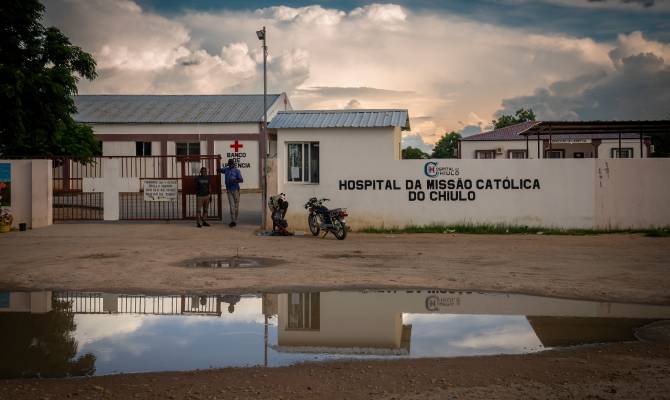
Chiulo renovated spaces reinvigorate care

Laboratory, delivery room, theatre room and radiology have been renovated and equipped to continue providing quality services to mothers and children.

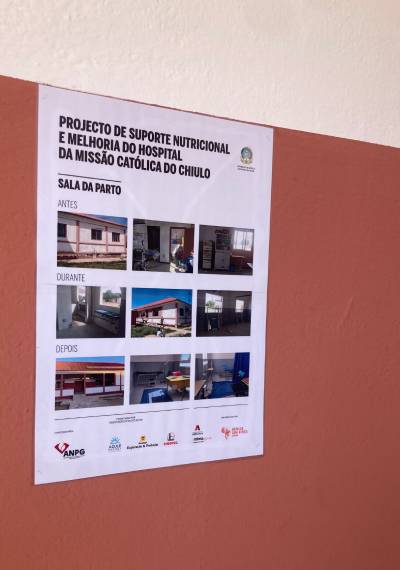
A official ceremony was held in Chiulo yesterday to cut the ribbon and mark a new beginning for the Hospital, which now counts on renewed and more functional spaces thanks to the intervention carried out by CUAMM with the support of ANPG, Azule Energy and partners from Bloco 15/06 namely Sonangol and Sinopec, as part of the project “Supporting Chiulo Hospital and evaluating nutrition interventions in the south of Angola.”

Yesterday, June 25, we gathered at Chiulo Hospital for an official inauguration ceremony attended by His Excellency the Bishop of Ondjiva – Father Dom Pio Hipunyati, Father Alexandre – local head of the Chiulo mission, the Board of Chiulo Hospital, Matteo Villa – engineer at Solar Barrel together with local authorities including: the Municipal Administrator – Elizeth Kondjasili Mwamelungi, the Municipal Health Director of Ombadja – Epifânia Ndesiuda, the Municipal Administrator of Humbe – António dos Santos Luepo and the Provincial Director of the Health Department – Dr. Georgina Graciete Nunes,.

“This partnership comes at a good time, at a moment when our hospital is in need of a profound and complete rehabilitation of its physical infrastructure, in order to meet universal standards and offer quality services to its users. I am deeply grateful for the strength and the positive energy of this great gesture of solidarity and humanity. I wish to express a word of recognition to all the hospital’s staff and beneficiaries. In particular, the government of Cunene province is committed to continuing to fulfill its evangelizing and social mission with determination,” said His Most Reverend Excellency Dom Pio Hipunyati, the Bishop of Ondjiva.

The hospital’s laboratory, operating theatre, theatre room, and radiology unit have been renovated and newly equipped with instruments and materials essential for clinical activity. The intervention aimed at improving healthcare services and ensuring quality care for patients – primarily women and children.

“It has been 25 years since CUAMM began its activities at the Chiulo hospital. Today, I would like to express my gratitude to Azule Energy, ANPG, and all those who were involved in the completion of the works including the health authorities and the hospital staff. As CUAMM, we will continue with our commitment to work at the hospital as well as in the communities to care for the most vulnerable: mothers and children,” stated Joaquim Tomas – CUAMM Country Representative.
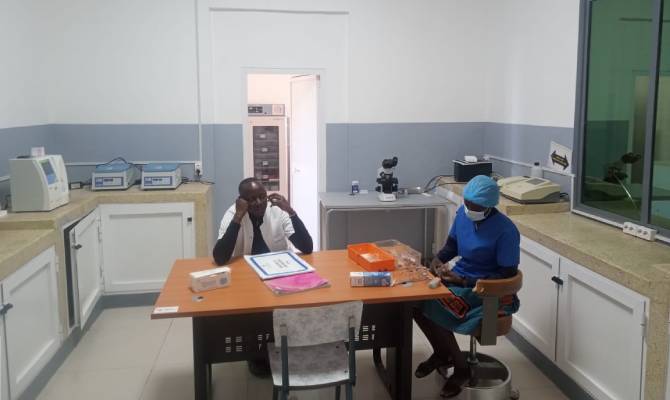
The renovated and fully equipped laboratory at Chiulo Hospital

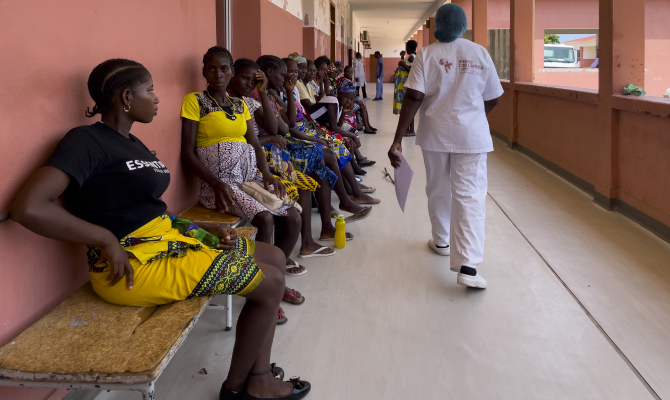
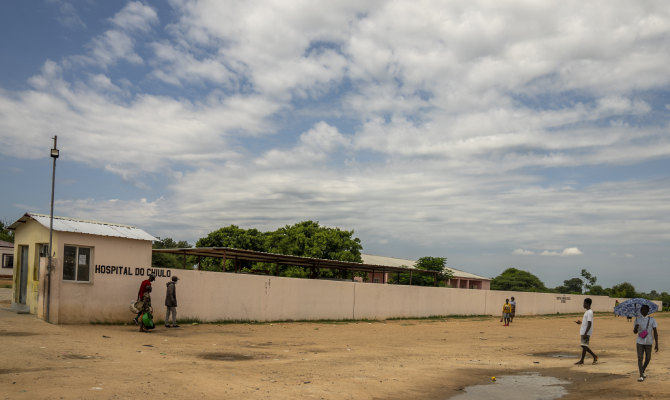
Chiulo is a rural hospital located in the heart of the Angolan mato, in Cunene province. The facility has 234 beds but, due to the scarcity of healthcare infrastructure in the province, its actual catchment area extends well beyond the limits of Humbe municipality. In this hospital, even access to running water and electricity is a challenge. Today, thanks to support from Solar Barrel, we inaugurated a new photovoltaic system that will allow the hospital to reduce energy costs and ensure a more sustainable power supply.

“Chiulo Hospital must continue to be a reference unit within our national health system. We are always grateful for the support received in ensuring quality services, although our desire is to keep improving so that this hospital becomes a true center of excellence,” declared Belarmino Felix – Head of the Public Health Department.
CUAMM’s commitment to supporting Chiulo Hospital has remained constant since 2000, the year we signed a memorandum of understandingt with the Diocese of Ondjiva. Since then, we have focused primarily on maternal and child health, first working within the hospital and later enforcing our efforts with community-based activities including mobile clinics and awareness-raising activities. Over the years, we’ve also invested in on-the-job training for local staff and in the upkeep of the maternity waiting home – a safe place for women nearing childbirth, established by CUAMM in 2012 and still operating today. Thanks to the collaboration with ANPG, Azule Energy and partners like Sonangol and Sinopec we are currently deliverying community-based activities focused on nutrition and hygiene and sanitation both in the provinces of Cunene and Namibe.

Twenty-five years since the beginning of our work in this small hospital located in the Angolan mato, we renew our commitment with enthusiasm to improving the health of mothers and children.
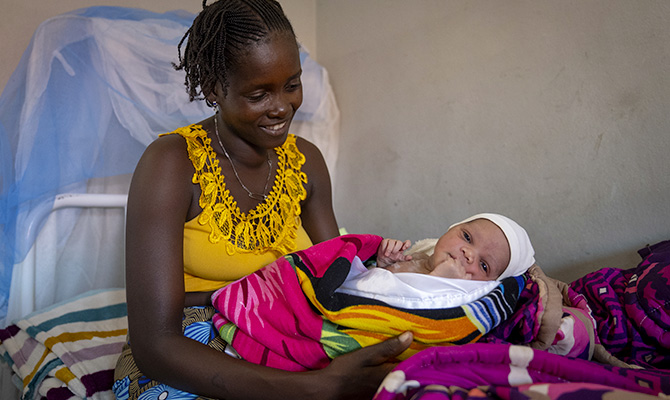


Every mum matters Chiulo

«That day had been particularly intense, and to be honest, so were the previous ones. One postpartum hemorrhage after another, two emergency hysterectomies within 72 hours to save the lives of two young women aged 24 and 28, there hadn’t been a single moment to catch a breath».

Matilde Lusiani is still emotional when she recounts the birth she assisted at Chiulo hospital, Angola. She is an Italian midwife serving in this little hospital in Cunene Region, a facility of 234 beds  that serves a population of approximately 306,550 people. Working at Chiulo hospital is challenging: the hospital has essential equipment and basic goods like running water is not something people take for granted here.

«The biggest challenge – said Matilde, – is facing the fact that we have nothing to work with. You constantly wonder “What can I do with this?” and the answer is nothing. It is frustrating and you feel powerless. But some other days you manage to do “everything with the nothing you have”. It was around 5 pm; I had just arrived home and was taking care of some paperwork when a girl came in a hurry, completely out of breath. I was alone because my colleagues were dealing with a urgent vacuum-assisted birth. As the girl arrived, I soon realized that was a urgent matter: a woman was giving birth outside the hospital. There was no time to get her to the delivery room. So, I grab a pair of gloves, and run after the girl. I run toward the church, about 200 meters from the hospital, right in front of the police station. The woman, squatting under a tree, was giving birth. Chickens were grazing nearby and motorcycles passing by. Beneath her, only a dirty cloth. When I arrived, I noticed the baby’s head was already out. It only took a second push to have the baby in my hands. I used the glove elastic to clamp the umbilical cord and cut it with a pair of kids’-friendly small round-tipped scissors. I had them in my coat pocket, the previous resident left them home before moving out. I don’t think I’ll ever take them out of my pocket.” Right after the delivery I sought help from a police officers to get a stretcher, also a nurse came to help as she understood we needed help».

Matilde said the baby was still covered in blood and dirt, when she was holding her in the arms waiting for the mother to be places on the stretcher. During the short, breathless run back to the hospital, she never stopped massaging the mother’s uterus to avoid a hemorrhage.

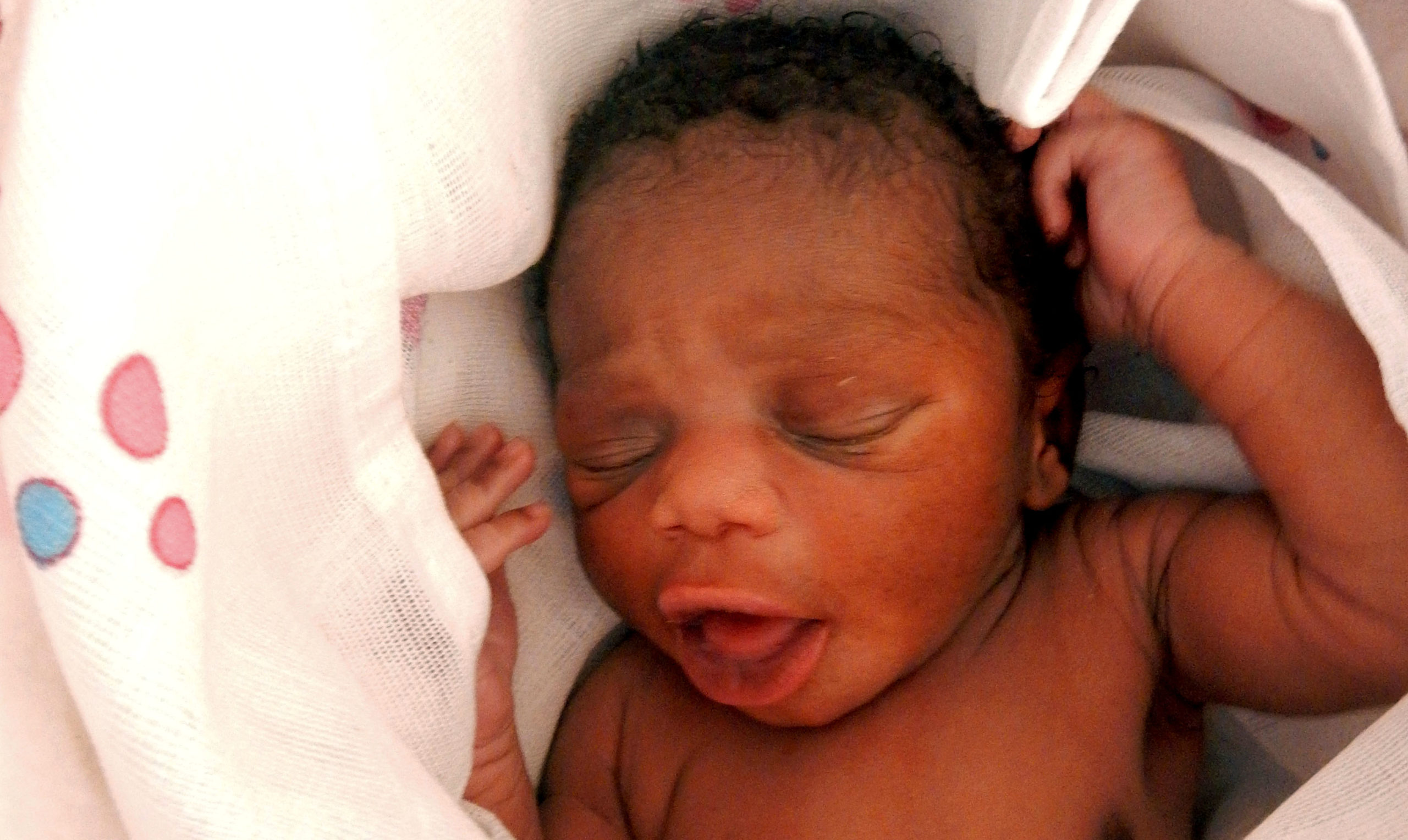
Kalule, that’s the woman’s name, is now doing well as is her little girl, who doesn’t have a name yet. It is in fact a common habit in many part of the Africa region to name newborns only when parents are sure they are safe. Kalule is around 30 years old, she left 4 kids at home and walked a long way to reach the hospital. Despite arriving late, things sorted out well for her and the baby but unfortunately, not all the stories have an happy ending.

To date, maternal mortality rate remains high in Angola with 222 deaths in 100.000 live births. Distance to health facilities, poor access to assisted birth and lack of qualified personnel contribute to mantaining the rate extremely high. Cost-effective solutions like maternal waiting homes built by CUAMM at Chiulo hospital are paramount to ensure women a shelter in the last phase of their pregnancy.

«I will never forget this feeling: the emotion and adrenaline I experienced while witnessing the strength and courage of a woman giving birth. Altough challenging, it is by living those moments that we recognize the value and impact of our work».


DONATE NOW A SAFE AND ASSISTED DELIVERY

Drought hindering women and newborns’ well-being in Cunene province

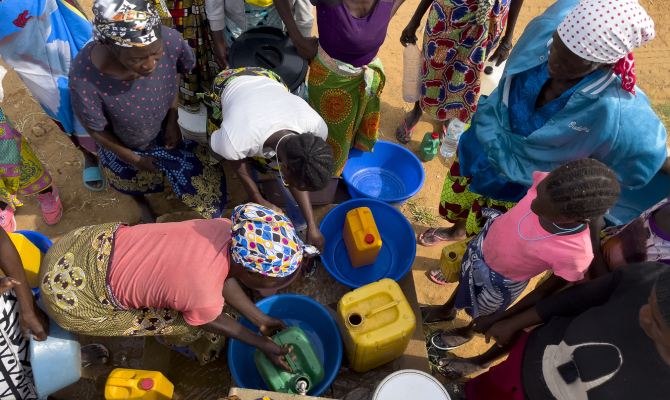
Newborn healthcare remains one of the primary constraints faced by CUAMM’s team at Chiulo Catholic Hospital due to lack of dedicated spaces, equipment and trained personnel. Moreover, physical barriers for institutional delivery are increasing the risks of newborn complications other than jeopardising maternal health. The prolonged drought has led to an increase rate of acute malnutrition among under 5 and it is strictly intertwined with infectious disease, more commonly widespread due water scarcity, resulting in half of children in drought provinces showing at least one sign/symptom of infectious disease (diarrhoea, fever or cough). The high level of malnutrition among PLW are worsening health outcomes since the first days of life of newborns. Poor dietary diversity and micronutrients deficiency in pregnant women is also contributing to high malnutrition rates among children <5.

In Cunene province, CUAMM and Manos Unidas join efforts in favor of women and newborns by providing integrated health and nutritional services at Chiulo Catholic Hospital.

In order to better manage newborns and paediatric’s complication at hospital level hence reduce newborns and pediatric complications, a dedicated intensive care area is being constructed within the paediatric wards. Furthermore, renovations at the maternal waiting home – casa de espera, will facilitate access to safe delivery for a a major number of women. Education is also a milestone in the intervention: to enhance caretakers’ knowledge, the project will support awareness raising sessions and cooking demonstrations at hospital level while also supporting the construction of an outdoor kitchen.

«Malnutrition is caused by a significant imbalance between nutritional intake and individual needs. It is most often caused by both quantitative and qualitative deficiencies  – said Ndapandula Wilca, chief nurse at the maternal waiting home. Here at casa de espera (maternal waiting home) in Chiulo hospital we organize cooking demonstration to engage women in sensitization activities. By teaching them how to make the most out of what they have at disposal we can prevent malnutrition».

The intervention will directly benefit 1.976 recipients while reaching an overall number of about 300.000 people in the drought-affected province of Cunene.

The prolonged drought in the south of Angola has led to more than two million children in need of humanitarian assistance, 1.2 million people in need of water availability and in 1.58 million people facing acute food insecurity in South-western Angola (WFP, June 2023) and about 15% of the population in Emergency (IPC Phase 4) (2022). The impact of drought on the livelihood opportunities dominated by agriculture and livestock has also adversely affected the nutrition status of the population being pregnant and lactating women (PLW) and children under 5 years of age the most vulnerable groups.

Cunene Province is among the provinces in the country with the highest prevalence of insufficient food consumption. The province experienced below-average production, resulting in higher market dependence amid higher food prices and relatively lower livestock prices. Despite the slight improvements registered in the past months, according to Relatório Avsan 2021, Cunene is among the regions with the highest malnutrition rate with Global Acute Malnutrition – GAM at 7.9% in Cunene (the prevalence of Severe Acute Malnutrition – SAM and/or oedema is 1.4% and Moderate Acute Malnutrition – MAM at 6.5%).

Doctors with Africa CUAMM is working at Chiulo Catholic Hospital, to contribute to improve the nutritional and health status of newborns, and pregnant and lactating women in line with the SDGs 2.2 and 3.3. The intervention, supported by Manos Unidas, aims to reduce newborns and pediatric complications through the construction of a dedicated intensive care unit within the paediatric wards. Proper equipment and trained healthcare workers will improve the management of newborn and pediatric care at hospital level. Furthermore, the upgrade of a maternal waiting home, casa de espera, will increase the number of women with access to safe delivery, thus reducing newborns, pediatric and maternal complications. Moreover, awareness activities among caregivers, PLW and caretakers on health, hygiene and nutrition practices will facilitate prevention and treatment of acute malnutrition hence improve health outcomes.


A new-born cry to greet 2021

On December 31st at 11 pm in Chiulo, Angola, Giorgio Pellis’s phone rings: there is an obstetric emergency and Alice, the Angolan doctor who works in the hospital, asks for support in managing the birth because the child struggles to be born.

“When I arrive, I immediately notice that the mom is tired after hours of labor and is laying in a very uncomfortable position. There is no time and it is immediately clear to me what needs to be done. I calmly explain to the lady, the doctor and the nurses what we will do, while my hands are already preparing the local anesthesia and the instruments for the surgery. The soon-to-be mother gives me a look of hope. She doesn’t know, but that look digs me inside. She is giving me a huge responsibility. While I am performing a very small operation, I put the dr. Alice’s hands on the scalpel and I make her feel what cannot be seen but is clearly perceptible. The pelvis is widening little by little and this will make a difference for her baby. ”

After a while the baby is born and with a loud cry he greets the new year. He is the first child born in Chilulo in 2021. “Here the emotions are very strong, every day,” says Giorgio. “Being able to transform a potential caesarean into a delivery without trauma is beautiful. But the greatest thing is the gratitude of the mothers and their families who, sometimes, as a sign of gratefulness bring to the hospital a bag of flour as a gift. Needless to say what a great emotion this is. ”

Doctors with Africa CUAMM has been working in Chiulo, Angola, since 2000 where it supports the hospital thanks to a team that is at the forefront every day , trying to do their best at the service of “the last mile”.