Future doctors in Mozambique

Patience, humanity, trustworthiness, affability, and empathy, along with an indispensable dose of professionalism.

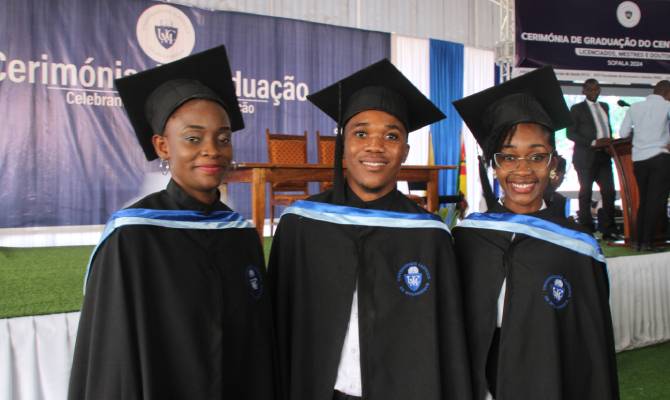
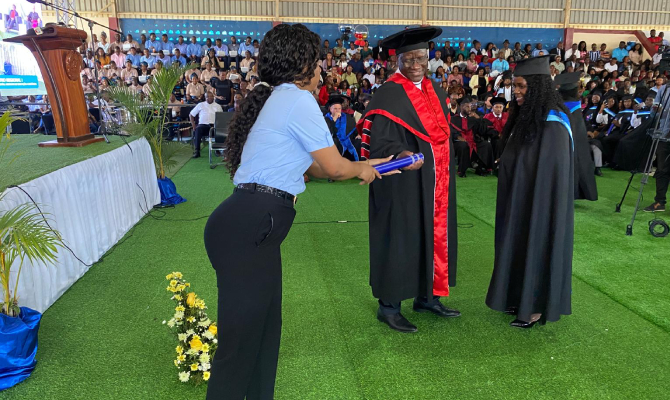
For Atianete, Hercília, Muaziza, and Victorino, these are the qualities that a medical professional should embody, and ones they hope to maintain throughout the years of practice ahead of them. This is what they revealed to us when we meet them in Beira, at the headquarters of the Catholic University of Mozambique (UCM). They are four of the 44 newly graduated doctors in general medicine, who were just declared doctors the day before by the Magnificent Rector, Professor Father Filipe Sungo. It was a grand ceremony that brought together professors, students, friends, and families in a day of celebration and emotion.

In his speech, the rector of UCM, Professor Filipe Sungo, thanked the students for their dedication, the professors for their commitment to teaching and continuous research, the families for their unwavering support, and the partners, including CUAMM, for their ongoing collaboration. “This achievement, which is yours,” said the Magnificent Rector in front of an audience of 893 students, “is also a testament to the collective effort that unites us as an academic community.”
We meet our four scholarship recipients a few days after the celebrations. Their smiles and teary eyes betray the strong emotion of having reached such a long-desired milestone. It’s a contagious feeling that also reflects on our faces, and when Victorino, with a soft voice and a hint of embarrassment, says “My name is Victorino Fernando Junior, I was a medical student, today I am a general practitioner,” we can only respond with a heartfelt round of applause. Over the past eight years, Atianete, Hercília, Muaziza, and Victorino have spent most of their time between the UCM classrooms and the library, keeping their commitment and determination alive even during the most challenging periods.

“It hasn’t been an easy journey, we must admit, which is why today we are doubly happy about the goal we’ve achieved,” says Hercília, her eyes shining with satisfaction. “Eight years is a long time, the cyclone first, then the pandemic—moving forward wasn’t easy. Studying requires consistency and method, and we found ourselves having to start over so many times! The passion for this work and the support of the people who believed in us were the driving forces during the hardest moments.”

Four young doctors, four stories of commitment, and four paths still to be walked. Sitting in a small classroom at UCM, we start talking until the initial embarassed is over. Difficulties and motivation, expectations and desires is what we have shared in a long conversation.

“I thought I was more suited for IT,” confesses Victorino. “Medicine seemed like an enormous commitment; I would have had to give up much of my personal life. This faculty is like a girlfriend, it wants all your time! What convinced me? Maybe my mother’s threats. After a bad accident, it was she, a nurse, who took care of me for months. She never missed an opportunity to point out that if it hadn’t been for her training, it would have been much harder to get through that period. Today, I owe her the joy of this degree.”

The shortage of qualified healthcare professionals is, in fact, one of the biggest obstacles to the full development of the national healthcare system in Mozambique. According to the latest data (WHO, 2022), the country has 2,473 doctors for a population of 30 million people, with only 778 being specialist doctors. The average is 0.8 doctors per 10,000 inhabitants, two-thirds of whom are employed in the capital, Maputo.

“Now the clinical work begins. In Mozambique, it is mandatory to serve two years as a general practitioner before potentially specializing. We can express preferences, but it’s not guaranteed that we will be assigned where we want. Some stay in the cities, others are sent to the districts, but in any case, it will be a useful period to better understand what we want to do,” says Atianete, who hopes to move to Maputo to continue specializing in emergency medicine.
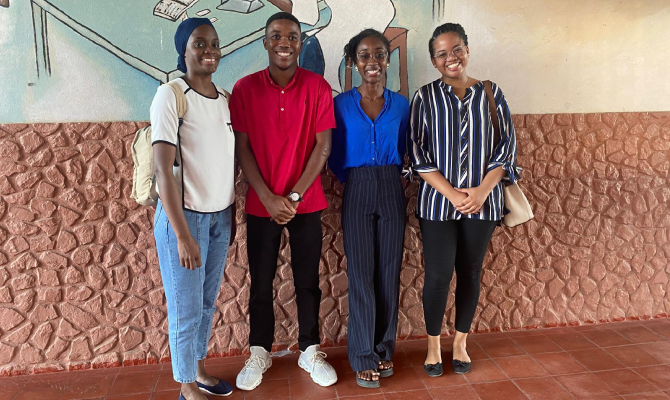
Specialization is a shared desire: Victorino will have to decide whether to become a pediatrician or a gynecologist, Hercília is sure of her passion for surgery, and Muaziza dreams of becoming Mozambique’s first endocrinologist.

Doctors with Africa CUAMM has been committed to supporting the Catholic University of Mozambique since its foundation in 1995, contributing to the establishment of the Faculty of Medicine, the second in the country. Until then, medical studies could only be pursued in the capital, Maputo, making a medical career difficult to access for those from other provinces.

“Studying away from home is challenging in many ways: you have to deal with loneliness, financial difficulties, and do your best to honor the commitment you made because you know well that behind it there are many sacrifices: yours, your family’s, and those of those who believe in your dream,” says Muaziza, from the province of Nampula.
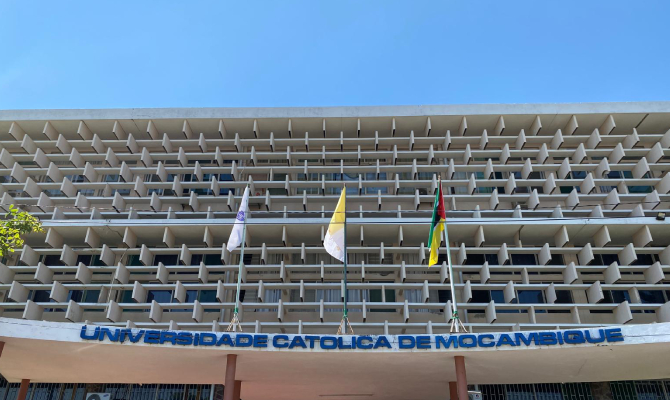
Since 2007, the year the first class of aspiring doctors graduated, Cuamm has continued to support the teaching activities of the UCM Faculty of Medicine, providing concrete assistance to the facilities (classrooms, laboratories) and equipping teaching materials (books, computers, etc.). The close collaboration on the curriculum is also significant, with visiting professors from CUAMM holding teaching modules at UCM. Additionally, within the partnership, internship opportunities are facilitated at Beira Central Hospital, research projects are promoted, and, most importantly, scholarships are offered to deserving students. This is a concrete example of cooperation that becomes a tool for the training of many students, and a bridge between distant academic realities. Every year, we renew our commitment, thanks to the support of those who, like us, wish to contribute to the dreams of young Mozambicans, the future doctors of this country.

Budget

The annual budget to support the costs of a scholarship amounts to 3,100 euros per student, broken down as follows:

Expense Category Annual Cost
Administrative fees for enrollment at Beira University 1,500 €
Subsidy for food and accommodation 1,200 €
Subsidy for purchasing educational materials 400 €
Fee for one year 3,100 €
Total fee for the entire study cycle (6 years) 18,600 €

What You Can Do

Join our commitment—thanks to you, we can carry out concrete actions that change the lives of many people. Support the training of local doctors.
DONATE NOW


UR-BEIRA INAUGURATED THE CALL-IN CENTRE

Considerable progress in maternal and newborn health were achieved during the Millennium Development Goal era in Africa. Despite this, maternal and perinatal mortality remain among the leading causes of death in sub-Saharan Africa. According to the World Health Organization (WHO), approximately 800 women die from pregnancy or childbirth-related complications every day, of which nearly 99% occur in developing countries, with over half occurring in sub-Saharan Africa. According to data, Mozambique has one of the highest maternal and neonmatal mortality rate in the world due to pregnancy complications and/or delay in receiving emergency medical attention.

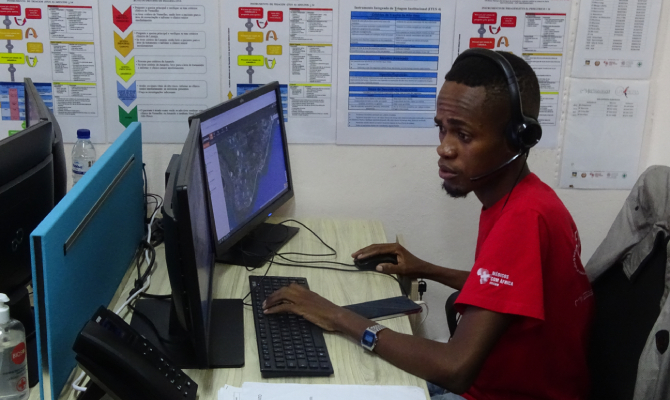
Most maternal deaths are associated with hemorrhaging, unsafe abortions, obstructed labor, infection, or eclampsia –causes that could be prevented if women received timely care during medical emergencies. Referral care represents an important step in the management of the sick, especially vulenrable groups such as women and children. UR-Beira project aims at reversing this course by offering the people of Beira timey and effective referral in case of emergency. 8 workers trained in emergency management work around the clock at the call-in centre to respond and handle the requests they receive from 17 health centres and subsequently arrange the referral to Beira General Hospital – HCB. The focus is on women and children: since February 1, 2022 19,700 referrals of which 6,600 maternal and 4,000 neonatal emergencies have been performed thanks to the referral.

«Today, we celebrate the inauguration of the call-in centre in collaboration with the Italian Cooperation with great satisfaction» said Gianni Bardini – Italian Ambassador in Mozambique. This project enforce the collaboration between Italy and Mozambique and prove the commitment to promoting the health and well-being of the Mozambican populations by the Italian government»

UR-Beira project is being implemented by Doctors with Africa CUAMM in collaboration with Regione Veneto, Ca’ Foscari University, Padua Croce Verde, together with local health authorities AS Serviço Provincial de Saúde de Sofala (SPS) and Serviço Distrital de Saúde, Mulher e Acção Social (SDSMAS) and Direção Nacional de Assistência Médica (DNAM).

«This intervention goes beyond traditional cooperation projects as it has brought together multiple partners who have collaborated towards achieving a common goal» said Luigi Zanin – from Regione Veneto.

The inauguration represents a milestone in the promotion of healthcare services in Mozambique being the call-in centre and the referral system the first in the country.

«I wish to thank all the partenrs involved for choosing Sofala province for the introduction of this pivotal intervention- said the Sofala Province Secretary of State Sandra Jeronimo Francisco Chamutotana. I call everybody to assume the responsibility of this service and to work tirelessly to make it possible to both expand the service within Sofala province and beyond, reaching more areas across the country».


THE AMBULANCES THAT NEVER STOP

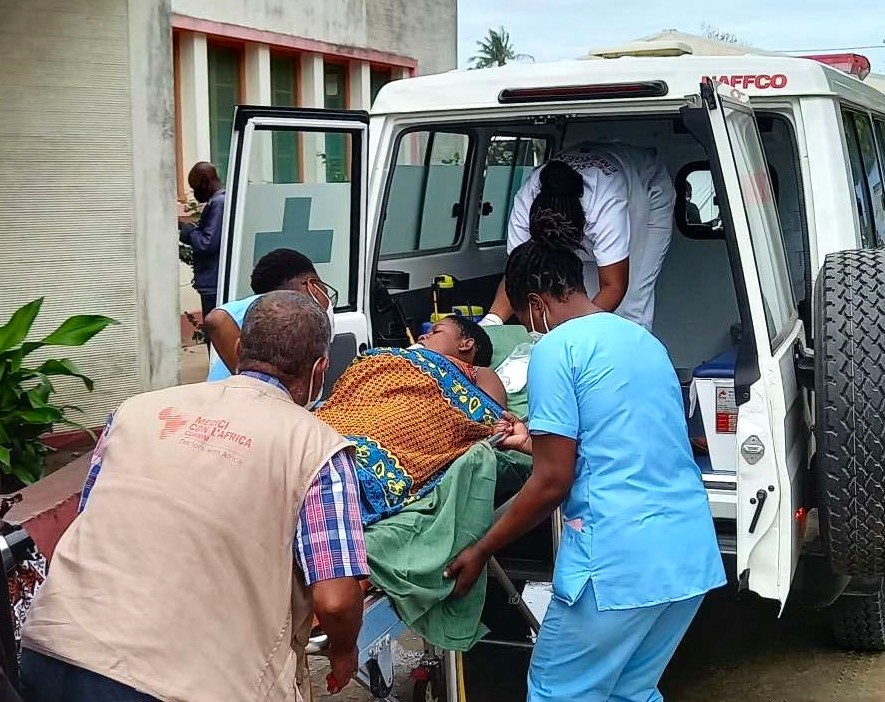
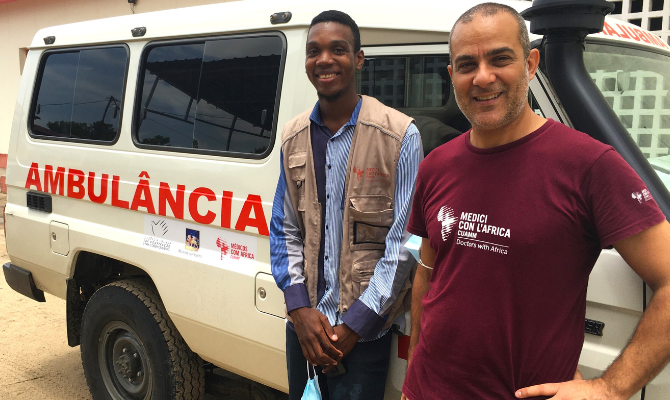
Three operative ambulances covering 15 healthcare units, all those in the city of Beira in the province of Sofala, Mozambique. They take care of transferring emergencies and urgencies from peripheral health units to the city’s central hospital, a fundamental service that began immediately after cyclone Idai and continues to this day thanks to the project “UR-BEIRA: strengthening emergency medical services in the city of Beira”. The intervention, financed by the Italian Agency for Development Cooperation, is implemented by Doctors with Africa CUAMM, with the collaboration of various stakeholders: the Veneto Region in partnership with the District Health Service of the city of Beira, the Emergency Medical Service of the Ministry of Health of Mozambique, the Central Hospital of Beira, Ca’ Foscari University of Venice and the P.O. Croce Verde of Padua.

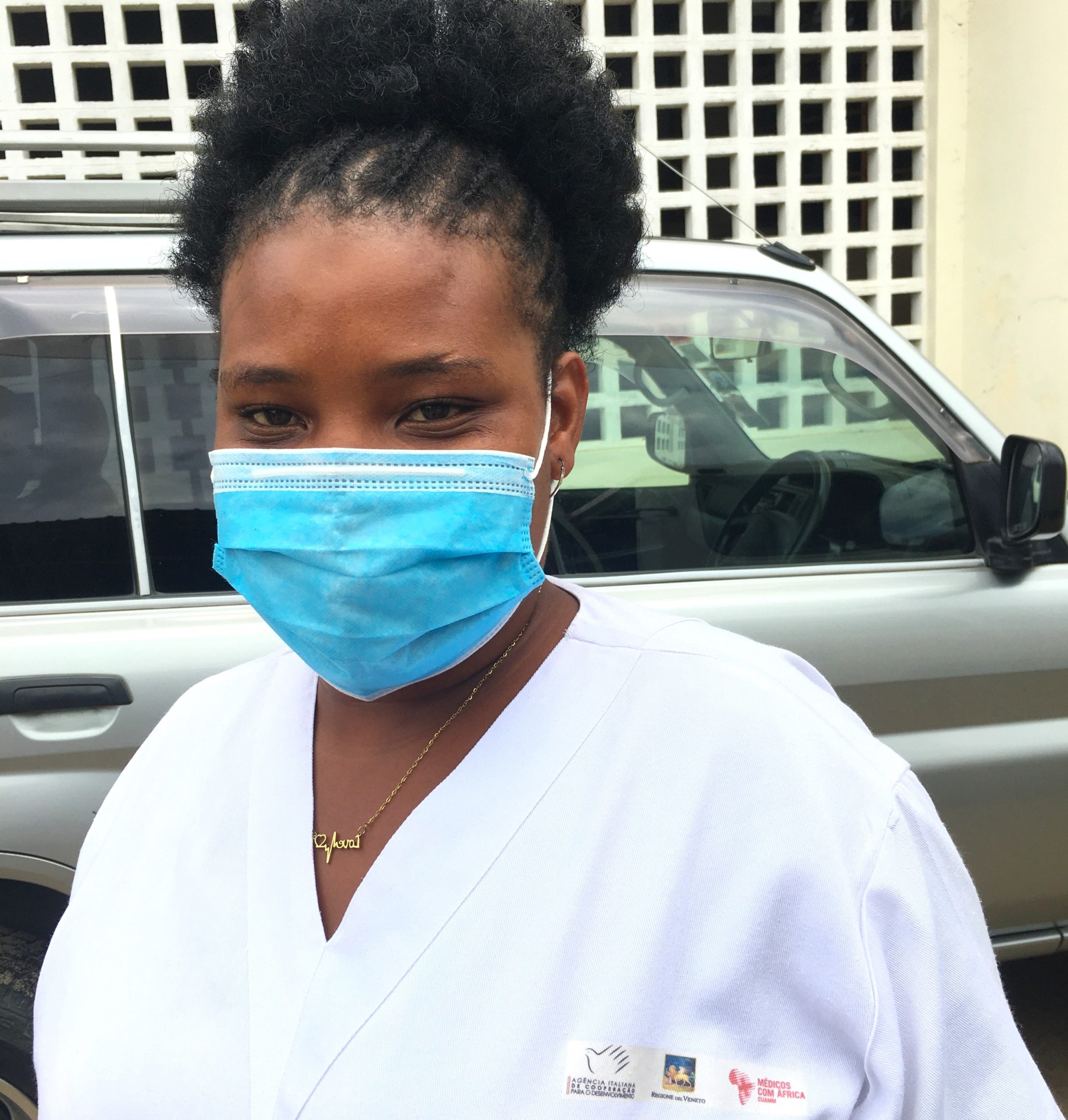
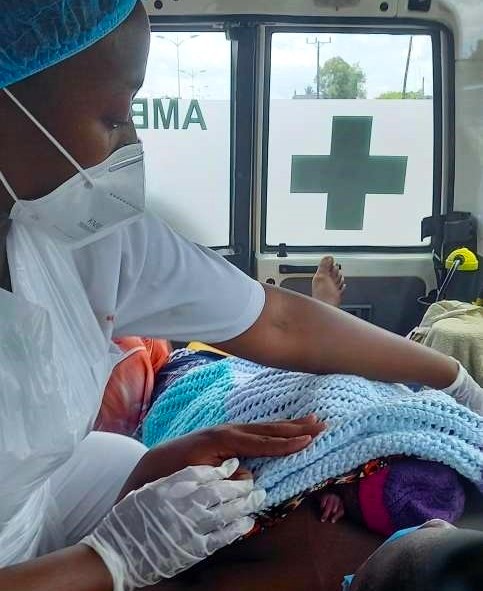
Doctors, nurses, nursing assistants and ambulance drivers are on the front line, together, every day, with the aim of saving lives. As of February 2022, there are 750 referrals per month on average, about 60 per cent of which are obstetric, neonatal and paediatric emergencies, but also medical-surgical emergencies in general. «We work in all kinds of situations, without sparing ourselves, to guarantee the safety of our patients, – says Cristina Zinguessa José Zaqueu Macucha, a maternal and child health nurse assigned to the ambulance of the Chingussura Health Centre -. The work in the ambulance is really challenging. We are all trained and qualified professionals, but each emergency is a story in itself. One moment we are rescuing patients in a serious condition, another God blesses us with a delivery that we assist in the ambulance. What we do is rewarding, we help many premature babies arrive alive at the hospital’s neonatal ward, we encourage mothers to have skin-to-skin contact with their newborn, in some cases we administer oxygen and always check vital parameters. Our activities do not always go as we would like, we also have sad days. When we cannot get our patients to the hospital alive, it is painful, – Cristina continues – every “emergency professional” has many stories to tell, some sad and some happy, which give strength to continue the work. Several times we have received and referred patients in a critical condition, but thanks to the quick intervention of some colleagues from the hospital in Beira, these patients have recovered».

Emergencies have no timetable and when they come, they often do so all at the same time. A Tuesday a few weeks ago was one of those days when the ambulances in Beira never stopped. «When office activities permit, I like to accompany my colleagues during the ambulance service. That’s where you really find the sense of what we do, – says Marcello Mazzotta, CUAMM’s project manager in Beira. Tuesday was one of those days, and among the many referrals we made, there was that of a premature baby who weighed about 1 kg and therefore needed an incubator and support to breathe. So, we took him and his mother respectively to the Neonatology and Maternity wards at the hospital of Beira to receive the necessary assistance. On the way, the nurse of the ambulance put the baby in contact with his mother’s chest, practising kangaroo mother care, the skin-to-skin contact that avours the baby’s adaptation to the outside world, its development and also breastfeeding. Thanks to that simple gesture, the baby arrived at the hospital with a body temperature close to normal».

Each ambulance, each healthcare unit and four wards of the Beira hospital are provided with a mobile phone with monthly credit. Each health centre has a referral ambulance based on its geographical location. When the ambulance receives the call, if it is free, it immediately leaves to pick up the patient, otherwise it tries to contact the other ambulances to see which one can take care of the emergency first. «Even one more ambulance could make the service even more efficient, – says Marcello -. In the coming months, the project will involve setting up an operations centre managed by trained operators who will receive calls, perform triage and dispatch them to the relevant ambulances.

Although the service works and is essential for the population, challenges remain. «The condition of the roads, which are bumpy and often unpaved, makes it difficult to reach the health units. Journey times get longer and even speed must be moderate so as not to cause further damage to patients during transport», says Marcello. «Another difficulty is encountered in the health centres and at the central hospital in Beira, when dealing with colleagues, – adds Cristina -. Some of them have difficulty distinguishing an emergency from an urgency or even a routine case. Often, when we arrive in the emergency room, there are not enough nurses to receive patients. This system ends up being exhausting and most of the time we leave the health centres in a hurry without an answer».

Investment is therefore being made in training and raising the awareness of health unit staff regarding the importance of triage to improve their ability to rapidly assess the clinical condition of patients and, consequently, the need to transfer them or not. In addition, work is being done to improve the population’s perception of the importance of the service provided by ambulances, which often fail to pass between vehicles on the roads even with their flashing lights and sirens on.

«One day, around one in the morning, I picked up a patient who had suffered a physical aggression, sustaining serious injuries all over his body. After two veins had been canalised and saline solution administered, he was loaded into the ambulance with all vital signs below normal. His brother, who was accompanying him, was inconsolable, – Cristina tells -. I always tried to keep the patient awake until we arrived at the hospital where he was immediately admitted to Traumatology and treated by the emergency room doctors. The brother thanked the ambulance team for the commitment and dedication».

That is the meaning of what we do: it lies there, in knowing that without the ambulance service many people would have no chance of being saved.

Emergency Cyclone Eloise in Mozambique

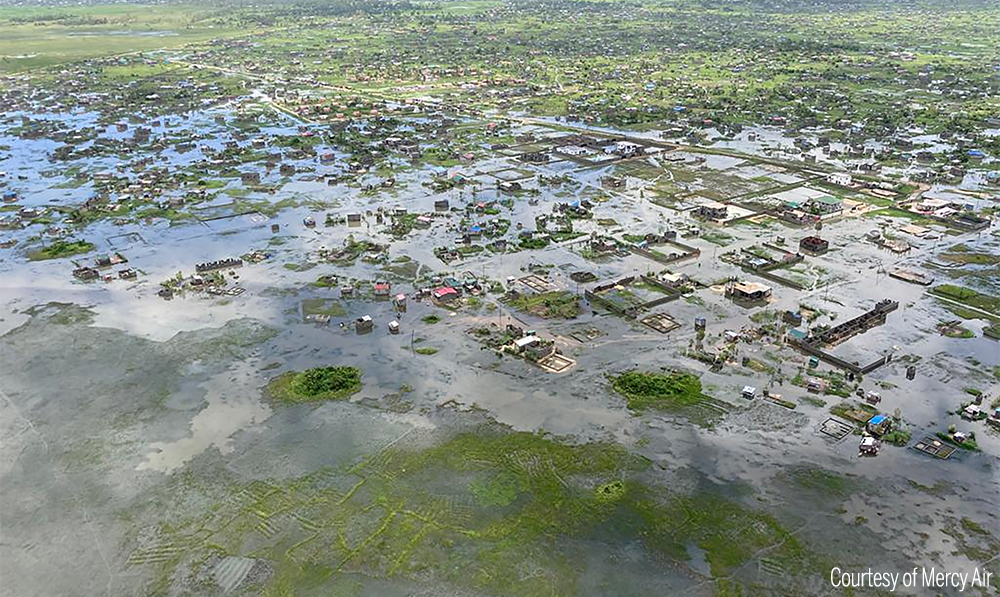
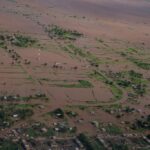
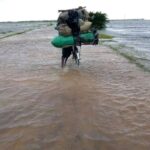
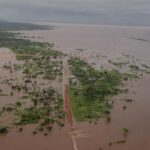
The night between January 22nd and 23rd 2021, Tropical Cyclone Eloise (category 1) made landfall in the already fragile Province of Sofala hit, exactly in Buzi District, 30 km south to Beira City, in central Mozambique. Torrential rains and winds of 120 km/h ravaged especially Sofala, but also reaching Zambezia, Manica and Inhambane provinces with devastating consequences for the local population of about 600,000 people. Sofala Province is still recovering from the tragic impact cyclone Idai had in March 2019 as well as from the tropical storm Chalane which hit again the Province on 30th of December 2020. Eloise is the second cyclone hitting Sofala Province in less than 1 month.

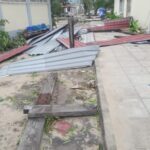
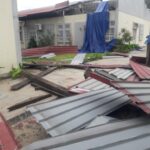
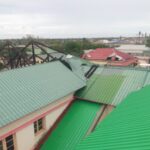
“In a country already battered by the Covid-19 pandemic and by humanitarian crises that have led more than 600,000 internally displaced people (IDPs) to the north of the country due to armed attacks and natural disasters, we are facing a situation that dramatically repeats itself – Giovanna De Meneghi, CUAMM country manager in Mozambique, tells us -. Almost 7,000 people have been forced to flee their homes and take refuge in temporary shelters offered by the government, with 32,660 families directly affected for a total of over 163,000 people, more than 5,000 homes have been destroyed, damaged or flooded. We are organizing the emergency response, with maximum speed, together with the other actors on the field (UN, government and other NGOs) in order to implement all those life-saving activities that are considered the most critical and that must be carried out as a priority. The population, although tired and exhausted by contingent and chronic emergencies, is reacting and responding with strength and determination to the reconstruction actions led by the government and supported by international partners and by the communities themselves”. Strong winds and massive flooding caused the destruction of local infrastructure, food production and reserves and disrupted the functioning of services, especially in the rural districts of Buzi, Dondo and Nahatanda and in the city of Beira.

Between the damaged infrastructures there are 11 health facilities and in particular the emergency wing of Beira Central Hospital and OPD was damaged severely and, especially the latter, is not operational. There was a severe damage to crops, including about 136,755 hectares already flooded. This means that the food security of the population is at risk as well as water supply which increase the risk of water borne diseases.

The priorities are clear and we are moving to act as soon as possible thanks to the use of over 80 community health activists:

  • Water supply, sanitation and hygiene promotion
  • Food Security and Nutrition for the people hitted by the cyclone
  • Immediate assistance and emergency relief
  • Outbreak prevention and preparedness via setting up dedicated wards (tents) and building up stocks of drugs, IV fluid, IPC equipment and consumables and deployment of over 50 community health activists already trained to raise awareness around Covid-19 and prevention of cholera and Acute Watery Diarrhoea (AWD);
  • Re-establish basic routine healthcare services: mapping current damage and promote immediate action to re-open/rehabilitate outpatient services, wards, operating theatre and laboratory. Priority will be given to the central hospital of Beira and the most affected health facilities.

CUAMM with his team of 40 people in Beira that is already taking action to provide an humanitarian response.


World Cancer Day Let’s not increase the gap

February 4 is World Cancer Day. As the world acknowledges the importance of prevention, vaccinations, and of efficient health systems, prepared against emergencies, Doctors with Africa CUAMM wants to highlight the impact of a particular form of cancer on thousands of African women: cervical cancer.

Though easily preventable through vaccination and early screenings, this type of cancer caused by human papillomavirus is very frequent in sub-Saharan Africa, considering that 19 out of 20 countries with the highest burden of cervical cancer are located in Africa, according to the World Health Organization.

It would be possible to avoid the 90% of deaths caused by this disease, through prevention and treatment at the first stages of the disease, which don’t require high tech methods. Doctors with Africa CUAMM’s health workers are trained to diagnose women in the peripheral health centres and to treat small lesions on the spot, with outpatient surgery. However, Covid-19 has an indirect impact on these services, as Andrea Atzori, chief of CUAMM’s international relations, explains.

“The pandemic has delayed or reduced diagnosis and treatments for cancer not only in the West, but in Africa too. Within our projects, from Ethiopia to Mozambique, as in Tanzania and Uganda, we see less women coming to the health facilities to be screened, frightened by contagion. We risk not finding cancer in time, even if with cervical cancer this kind of prevention could be easy and not expensive. Even before the pandemic, cervical cancer could have been a death sentence in Africa, now we have to commit because this gap between global North and global South mustn’t increase in the future”.

Cuamm and Ares Italia Partnership against covid-19 and for Global Health

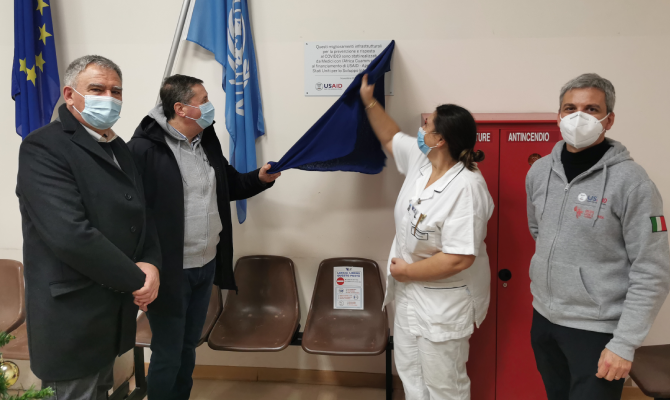
Doctors with Africa CUAMM and ARES Italia-Marche join forces in the fight against Covid-19 in the Marche region, with a partnership that will allow CUAMM to support the ARES Italia-Marche field hospital, consisting of 14 inflatable tents, providing care for 150 patients a day. As part of the “Italian Response to Covid-19” project, funded by the United States government through the United States Agency for International Development (USAID), Doctors with Africa CUAMM will provide the field hospital with material needed for pre-triage and intake.

As part of the same project, Doctors with Africa CUAMM already supports the community hospitals of Chiaravalle, Cingoli, and Arcevia in the Marche. The field hospital will be the fourth hospital supported in the Marche region and the fifteenth in Italy to fight the Covid-19 pandemic.

“CUAMM’s work in the Marche, as in the past in Arquata del Tronto where it acted during the 2016 earthquake, showed us the extraordinary importance and significance of national and international solidarity in the difficult times that have struck our community,” says Mario Caroli, Marche Regional Healthcare Representative and Director of the Hospital of Jesi Hospital. And he adds: “This lets us in the region of Marche, which has too often been afflicted by disasters, to strengthen and enhance our individual and collective commitment, to achieve objectives that will allow us to strengthen our ability to “give back” the help we received through further collaborations of CUAMM with our Campal Health Facility, used in situations of national and international disasters in the last 20 years.”


Don Dante Carraro, Doctors with Africa CUAMM’s director, adds:

We started our work in the Marche, as in other areas of Italy, to make ourselves useful through our doctors who have returned to communities that have so often supported us with their generosity. With our distinguishing spirit of going to the furthest outposts, here we are also supporting the most outlying health facilities, which have not been spared by Covid-19. On the contrary, this virus shows us that we are all connected, that we can all find ourselves vulnerable in the face of a new health emergency. Today we are putting our experience in managing epidemics to work for Italy, and this partnership with ARES is also a sign of, and hope for, the future that we can together face health threats and meet needs on a global level. We are keeping our eye on Africa too, which has been so severely afflicted by ongoing calamities and emergencies, not least the cyclone in Mozambique and the instability in Ethiopia and the Central African Republic.


With the agreement recently made, ARES and CUAMM have decided to start a strategic collaboration that both serves as an example and lays the foundations for future humanitarian interventions that are timely and effective when facing epidemics, natural disasters, and other calamities in Italy and Africa.