Giving voice to the future: preventing teenage pregnancy in Angola

In Angola, in the heart of the Cunene province, change comes through awareness. Since November 2023, Doctors with Africa CUAMM has been committed to the “START” project, funded by the European Union and implemented together with Adespov and Codespa: an initiative dedicated to strengthening the health and nutritional status of women and children, while promoting gender equality. Among the most delicate challenges faced daily is that of early pregnancies, a phenomenon that often marks the boundary between the possibility of an independent future and the forced abandonment of studies.

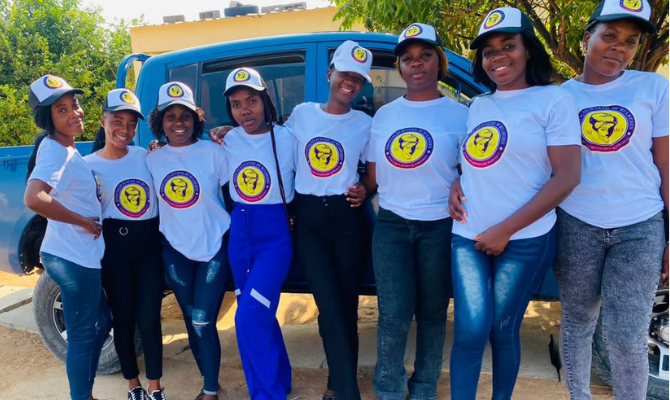
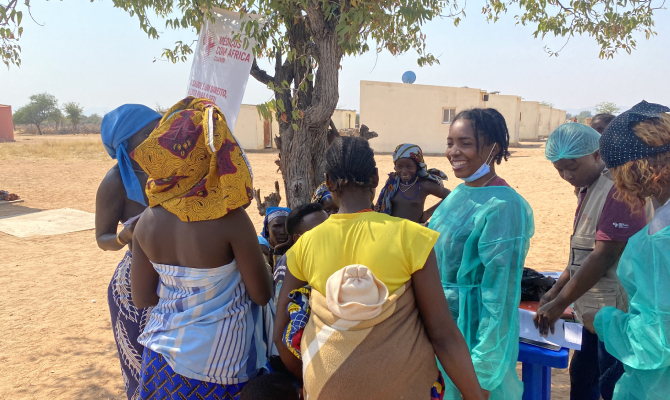
October 26 was a significant day at the Simione Mucune school. Together with partners from AJMMO (Youth Association of Women for Women), a meeting was held with 55 girls, aged between 11 and 15, to speak openly about health, rights, and the future. It was not just an informative moment, but a true space for listening.

“In addition to the risks to the physical and mental health of the adolescent and the child, early pregnancy can affect the school, professional, and personal life of the young mother. Many pregnant adolescents face discrimination, a lack of support from family and the community, and difficulties in completing their studies and accessing job opportunities,” the association’s president firmly stated when discussing the impact of this issue.

Pregnancies between the ages of 15 and 19 are often the result of a complex mix of factors: cultural conditioning, socio-economic fragility and, above all, a profound lack of information and access to reproductive health services. The enthusiasm and curiosity shown by the students confirm how urgent it is to break the silence. The girls did not just listen: they called loudly for more meetings on female empowerment and the creation of a safe and personal space where they can share doubts and daily problems without fear of being judged.

For Cuamm, investing in the health of adolescents means investing in the entire community. Supporting these girls in their educational journey and personal growth is the most effective way to guarantee them the freedom to choose who they want to become.

Because an informed girl today is the pillar of a stronger and more independent society tomorrow.

Everyone has the right to grow up healthy

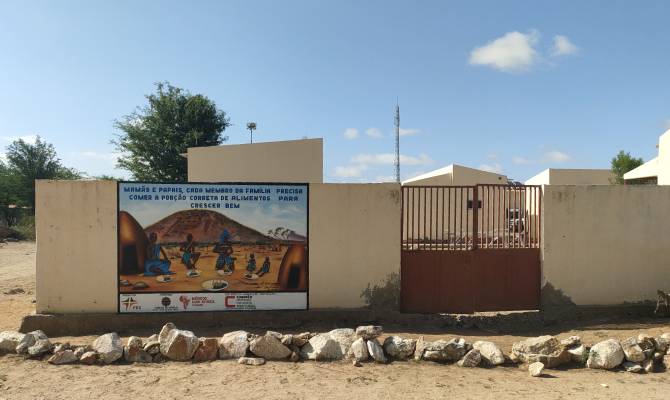
Moms and dads, everyone in the family should eat the right portion of food to grow up healthy.

For a few weeks now, on the outer wall of Cainde health center, there has been a large, colorful mural with a bright blue inscription that says, “Moms and dads, everyone in the family should eat the right portion of food to grow up healthy.” We are in a small municipality in the Namibe province, southern Angola.

Painted by local artists, the mural depicts a woman holding a newborn baby, surrounded by her family: two men and two children. Each one has their own portion of food: funje (traditional food made of cassava flour), chicken, and vegetables. However, in reality, this rarely happens in the rural communities of Namibe, where cultural traditions are compounded by food scarcity caused by drought, which renders the land dry and hinder the chance to cultivate.

Here, more than anywhere else, raising awareness about nutritional education is crucial, and a vibrant mural can help convey the message. Yet, it is equally essential to reach the most isolated groups, identify cases of malnutrition, refer them and support health centers with food kits necessary for children in treatment.

This is what CUAMM does every day, together with our local partners, to ensure food security for communities and, above all, healthy growth and development for children.

CUAMM’s intervention

Promoting food security in Namibe province is one of the goals that CUAMM, together with FEC and Caritas Angola, has been pursuing over the past two years. This effort includes community-level screening and awareness activities, as well as support for healthcare facilities in the Virei municipality.

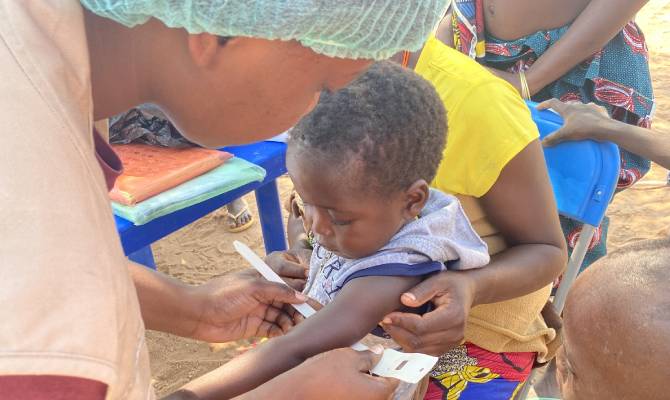
Since the project began in December 2022, 140 mobile health clinics have reached nomadic and semi-nomadic communities in nine different villages, offering nutritional screenings and facilitating the referral of patients with severe and moderate acute malnutrition to health units for therapeutic programs.

As part of the initiative, 10 health units have received monthly supplies of food kits for children with malnutrition and for pregnant or breastfeeding women in vulnerable conditions. Educational campaigns have also been organized at various times in schools and health centers to raise awareness about nutrition, breastfeeding, malnutrition, vaccination, and hygiene. These sessions have also included cooking demonstrations in the municipalities of Virei and Cainde.

To amplify these messages and reach an even wider audience, local artist Sanduaya has spread awareness through a song, performed in schools, health centers, and other gathering places.

In a region highly vulnerable to prolonged droughts, recognizing the link between environmental crises and health is key to providing a sustainable and effective response over time. With this perspective, bringing healthcare services closer to local populations through outreach strategies—such as mobile clinics—becomes essential.


CUAMM Enciende su compromiso with Manos Unidas

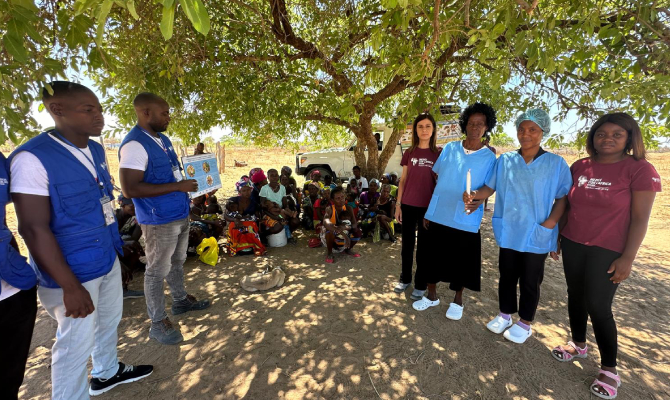
CUAMM “Enciende la llama” in Angola, Mozambique and Sierra Leone and participates in the global campaign Enciende tu compromiso launched by Manos Unidas.

Lighting a candle as a symbol of the promise of a better world, is the call of the Spanish NGO “an act to which society can actively join in and thus demonstrate its support for the countries of the South and the action that Manos Unidas supports in them”. Today, Doctors with Africa CUAMM is glad to shed a light on its commitment in Angola, Mozambique and Sierra Leone thus advocate with Manos Unidas for the commitment to building a more equal world.

Through the partnership with Manos Unidas, Doctors with Africa CUAMM has and still is promoting health development interventions in multiple countries in sub-Saharan Africa, namely Angola, Mozambique and Sierra Leone with field of interventions ranging from maternal and neonatal health to HIV response among youth and adolescents.

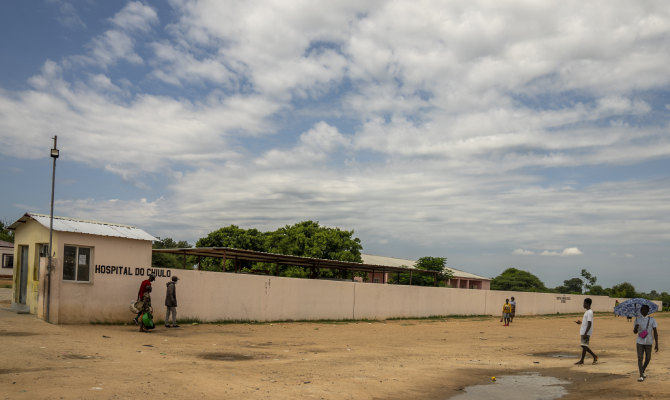
In Angola CUAMM and Manos Unidas join efforts in favor of women and newborns by providing integrated health and nutritional services in Chiulo Catholic Hospital. An intervention that will directly benefit 1.976 recipients while reaching an overall number of about 300.000 people in the drought affected province of Cunene.

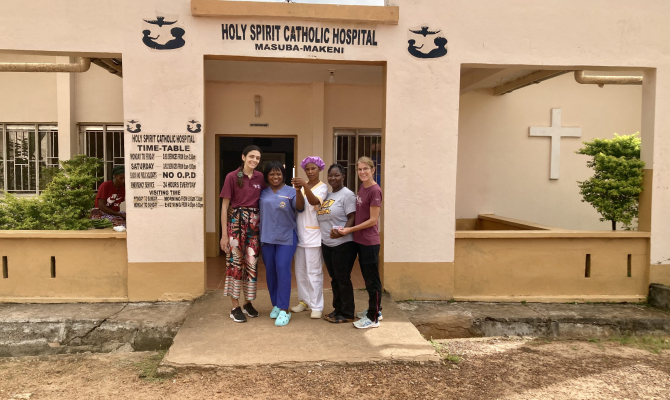
In Sierra Leone through “Improving quality care and diagnostic services for critical-ill mothers” CUAMM and Manos Unidas are working to reduce maternal mortality and morbidity in Bombali District where the Holy Spirit Hospital is located. By providing specialised training on HDU and supporting the hospital (HSH) with the provision of equipment for the establishment of an HDU as well as laboratory reagents to enhance diagnostic services, the intervention aims at reaching 6.010 recipients, mainly pregnant women.

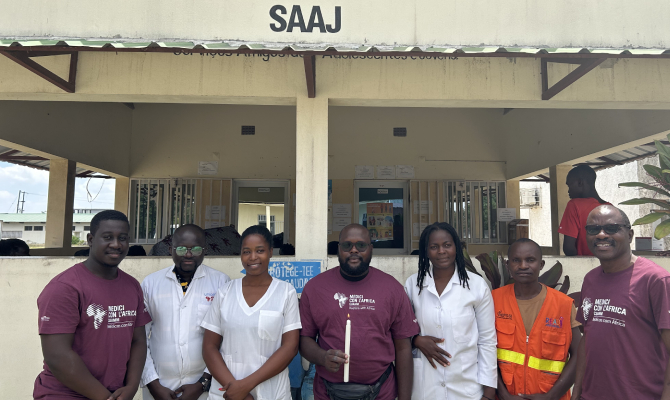
In Mozambique, youth and adolescents were the direct recipients of an intervention planned to improve access to HIV services in 9 SAAJs (Serviço Amigo do Adolescente e Jovem) in Beira city and Nhamatanda district. The intervention aimed to educate young people/adolescents (ages 10-24) about safe sexual behaviors, encourage (voluntary) HIV testing, improve access to and quality of HIV healthcare services for adolescents/youth, and ensure adherence to ART, particularly for pregnant and breastfeeding HIV-positive women.


Every mum matters Chiulo

«That day had been particularly intense, and to be honest, so were the previous ones. One postpartum hemorrhage after another, two emergency hysterectomies within 72 hours to save the lives of two young women aged 24 and 28, there hadn’t been a single moment to catch a breath».

Matilde Lusiani is still emotional when she recounts the birth she assisted at Chiulo hospital, Angola. She is an Italian midwife serving in this little hospital in Cunene Region, a facility of 234 beds  that serves a population of approximately 306,550 people. Working at Chiulo hospital is challenging: the hospital has essential equipment and basic goods like running water is not something people take for granted here.

«The biggest challenge – said Matilde, – is facing the fact that we have nothing to work with. You constantly wonder “What can I do with this?” and the answer is nothing. It is frustrating and you feel powerless. But some other days you manage to do “everything with the nothing you have”. It was around 5 pm; I had just arrived home and was taking care of some paperwork when a girl came in a hurry, completely out of breath. I was alone because my colleagues were dealing with a urgent vacuum-assisted birth. As the girl arrived, I soon realized that was a urgent matter: a woman was giving birth outside the hospital. There was no time to get her to the delivery room. So, I grab a pair of gloves, and run after the girl. I run toward the church, about 200 meters from the hospital, right in front of the police station. The woman, squatting under a tree, was giving birth. Chickens were grazing nearby and motorcycles passing by. Beneath her, only a dirty cloth. When I arrived, I noticed the baby’s head was already out. It only took a second push to have the baby in my hands. I used the glove elastic to clamp the umbilical cord and cut it with a pair of kids’-friendly small round-tipped scissors. I had them in my coat pocket, the previous resident left them home before moving out. I don’t think I’ll ever take them out of my pocket.” Right after the delivery I sought help from a police officers to get a stretcher, also a nurse came to help as she understood we needed help».

Matilde said the baby was still covered in blood and dirt, when she was holding her in the arms waiting for the mother to be places on the stretcher. During the short, breathless run back to the hospital, she never stopped massaging the mother’s uterus to avoid a hemorrhage.

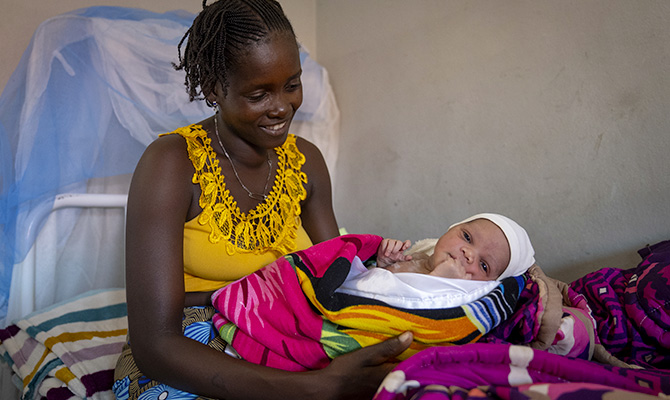
Kalule, that’s the woman’s name, is now doing well as is her little girl, who doesn’t have a name yet. It is in fact a common habit in many part of the Africa region to name newborns only when parents are sure they are safe. Kalule is around 30 years old, she left 4 kids at home and walked a long way to reach the hospital. Despite arriving late, things sorted out well for her and the baby but unfortunately, not all the stories have an happy ending.

To date, maternal mortality rate remains high in Angola with 222 deaths in 100.000 live births. Distance to health facilities, poor access to assisted birth and lack of qualified personnel contribute to mantaining the rate extremely high. Cost-effective solutions like maternal waiting homes built by CUAMM at Chiulo hospital are paramount to ensure women a shelter in the last phase of their pregnancy.

«I will never forget this feeling: the emotion and adrenaline I experienced while witnessing the strength and courage of a woman giving birth. Altough challenging, it is by living those moments that we recognize the value and impact of our work».


DONATE NOW A SAFE AND ASSISTED DELIVERY

Drought hindering women and newborns’ well-being in Cunene province

Newborn healthcare remains one of the primary constraints faced by CUAMM’s team at Chiulo Catholic Hospital due to lack of dedicated spaces, equipment and trained personnel. Moreover, physical barriers for institutional delivery are increasing the risks of newborn complications other than jeopardising maternal health. The prolonged drought has led to an increase rate of acute malnutrition among under 5 and it is strictly intertwined with infectious disease, more commonly widespread due water scarcity, resulting in half of children in drought provinces showing at least one sign/symptom of infectious disease (diarrhoea, fever or cough). The high level of malnutrition among PLW are worsening health outcomes since the first days of life of newborns. Poor dietary diversity and micronutrients deficiency in pregnant women is also contributing to high malnutrition rates among children <5.

In Cunene province, CUAMM and Manos Unidas join efforts in favor of women and newborns by providing integrated health and nutritional services at Chiulo Catholic Hospital.

In order to better manage newborns and paediatric’s complication at hospital level hence reduce newborns and pediatric complications, a dedicated intensive care area is being constructed within the paediatric wards. Furthermore, renovations at the maternal waiting home – casa de espera, will facilitate access to safe delivery for a a major number of women. Education is also a milestone in the intervention: to enhance caretakers’ knowledge, the project will support awareness raising sessions and cooking demonstrations at hospital level while also supporting the construction of an outdoor kitchen.

«Malnutrition is caused by a significant imbalance between nutritional intake and individual needs. It is most often caused by both quantitative and qualitative deficiencies  – said Ndapandula Wilca, chief nurse at the maternal waiting home. Here at casa de espera (maternal waiting home) in Chiulo hospital we organize cooking demonstration to engage women in sensitization activities. By teaching them how to make the most out of what they have at disposal we can prevent malnutrition».

The intervention will directly benefit 1.976 recipients while reaching an overall number of about 300.000 people in the drought-affected province of Cunene.

The prolonged drought in the south of Angola has led to more than two million children in need of humanitarian assistance, 1.2 million people in need of water availability and in 1.58 million people facing acute food insecurity in South-western Angola (WFP, June 2023) and about 15% of the population in Emergency (IPC Phase 4) (2022). The impact of drought on the livelihood opportunities dominated by agriculture and livestock has also adversely affected the nutrition status of the population being pregnant and lactating women (PLW) and children under 5 years of age the most vulnerable groups.

Cunene Province is among the provinces in the country with the highest prevalence of insufficient food consumption. The province experienced below-average production, resulting in higher market dependence amid higher food prices and relatively lower livestock prices. Despite the slight improvements registered in the past months, according to Relatório Avsan 2021, Cunene is among the regions with the highest malnutrition rate with Global Acute Malnutrition – GAM at 7.9% in Cunene (the prevalence of Severe Acute Malnutrition – SAM and/or oedema is 1.4% and Moderate Acute Malnutrition – MAM at 6.5%).

Doctors with Africa CUAMM is working at Chiulo Catholic Hospital, to contribute to improve the nutritional and health status of newborns, and pregnant and lactating women in line with the SDGs 2.2 and 3.3. The intervention, supported by Manos Unidas, aims to reduce newborns and pediatric complications through the construction of a dedicated intensive care unit within the paediatric wards. Proper equipment and trained healthcare workers will improve the management of newborn and pediatric care at hospital level. Furthermore, the upgrade of a maternal waiting home, casa de espera, will increase the number of women with access to safe delivery, thus reducing newborns, pediatric and maternal complications. Moreover, awareness activities among caregivers, PLW and caretakers on health, hygiene and nutrition practices will facilitate prevention and treatment of acute malnutrition hence improve health outcomes.


DRIVING THE DESERT TO PROVIDE HEALTH CARE

«We only get water few months throughout the year, the land is too arid to cultivate. It’s tough, but we stay here. Even though the health facility is small, when the mobile clinics arrive we can check the health status of our children and have them vaccinated» says Antônia Paula, a mother of seven, who we met in the tiny community of Kwuiti Kwuiti, in the heart of Namibe province.

According to the latest data released by Fews Net – the Famine Early Warning Systems Network, the situation is worrying. Angola is experiencing phase 3 of the IPC Acute Food Insecurity classification, the tool for accurately assessing the severity of food insecurity and acute malnutrition. Calculated according to precise standards recognized at international level, phase 3 is assessed when households either have food consumption gaps that are reflected by high or above-usual acute malnutrition; or are marginally able to meet minimum food needs but only by depleting essential livelihood assets or through crisis-coping strategies.

Having to put something on the plate every day is difficult for Antônia, as it is for many other families in this area who depend either on livestock or the little that the land, which is dry for most of the year, has to offer.

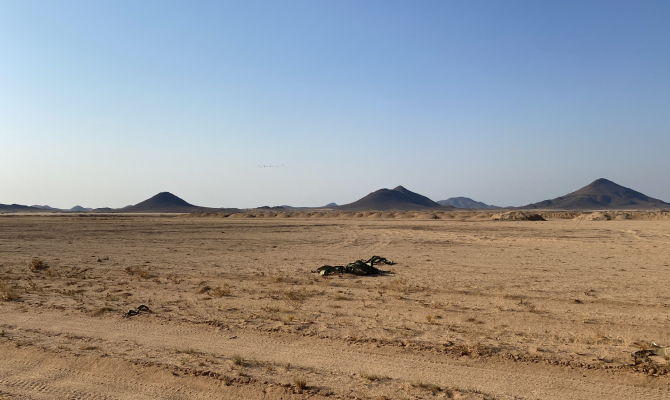
Located in southern Angola, the province of Namibe is among the hardest hit by the drought that has crippled the country. Six rainy seasons with below-average precipitation have compromised the crops, which are now insufficient, and have threatened the livelihood and survival opportunities of those who rely on the land to survive. The people most affected are mainly men and women from the Mumuila ethnic group but the drought also threatens the Mucubal, a nomadic cattle-herders with a pastoralist way of life.

«The communities of Namibe are fragile ecological niches, increasingly at risk of and exposed to the impact of the multiple threats expressed by the One Health concept. To respond effectively, we must recognize the interdependence between ecological crisis and health, therefore adopt a strategic and interdisciplinary approach – said Edoardo Occa, CUAMM anthropologist and community health expert who added: the outreach strategy, adopted by deploying mobile clinics becomes essential in this context where it is only by adapting the health system’s needs to those of the communities that can we increase access to services».

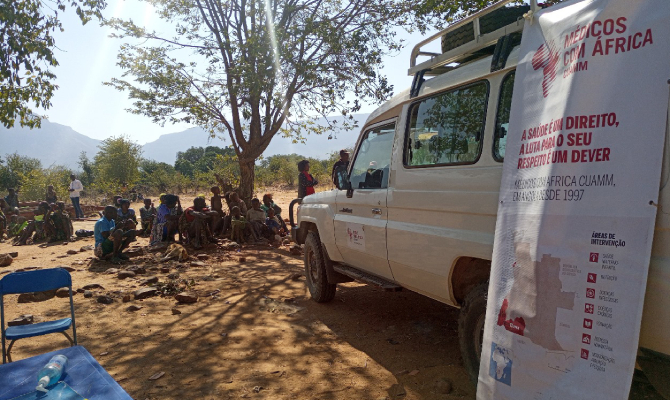
Since May 2023, eight CUAM mobile clinics have been moving each month in the area, reaching nine communities located between the municipalities of Virei and Caindi. Nutritional screenings, prenatal visits, awareness sessions, and nutritional education are the main activities offered by the team.

«We work to support populations who, due to environmental conditions, are always on the move, says Rossella Corrà, CUAMM project manager. The biggest challenge is to ensure follow-up, both in prenatal visits and in the treatment of malnutrition».

Using the ficha de transferência – a health record, the teams can monitor malnutrition cases detected in the field and ensure adherence to the therapeutic program even for patients on the move. However, food insecurity is not the only challenge to address. In these areas, where health services are either insufficient or entirely absent, ensuring maternal health can be a struggle. The general hospital where people refer to, located in Virei, is in fact one and a half hours by car from the nearest community of Kwuiti Kwuiti and about three hours from the most isolated Tchacuto, in the municipality of Caindi. It is only in that facility that women can have access to assisted birth yet, they rarely walk this distance.

«During prenatal visits, we always recommend to the women to move closer to the hospital as their due date approaches, but they barely do that. Compunding the challenge of the distance to be walked, is the widespread belief that they don’t need an assisted birth. We try our best to make them understand that giving birth with the support of health professionals is important to respond promptly to possible complications» explains Gelssica Chimanda, CUAMM nurse.

Since May 2023, 77 awareness and nutritional education sessions have been carried out by the mobile clinics, reaching a total number of 4,604 people; 383 prenatal visits have been conducted in the nine communities as part of the KUPE project – Kilonguela pala ekongoko, meaning “educate for health” in the Kuvale language. The intervention, supported by the Instituto Camões, is carried out in collaboration with the Portuguese NGO Fec.

Clean Cooking Angola

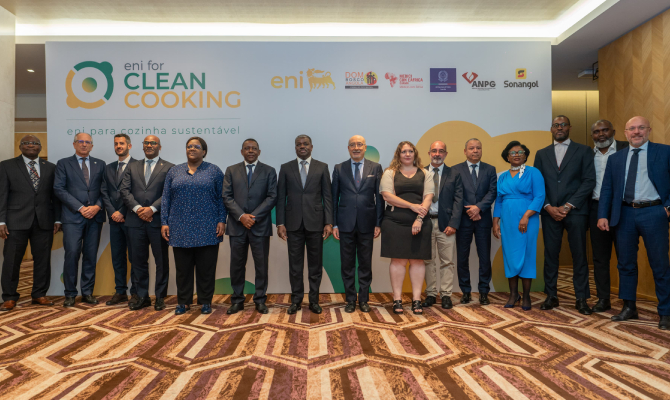
Doctors with Africa CUAMM together with Eni and in collaboration with Don Bosco Salesian promotes its latest intervention for the promotion of access to improved cooking methods in Uige Province, Angola with the aim to improve the health outcomes of the population, especially women and children. The intervention is part of the Clean Cooking Program to advance at least six SDGs, including Good health and well-being.

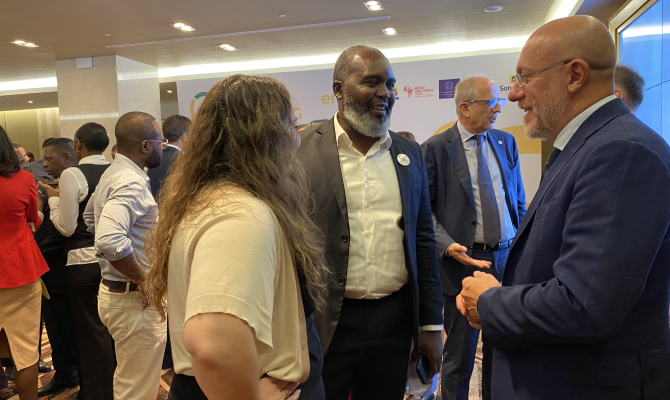
The launch event took place today, in Luanda at the presence of the Minister of Health – Silvia Paula Valentim Lutucuta, the Angolan Secretary of State for Petroleum and Gas – José Alexandre Barroso, and the Italian Ambassador –  Cristiano Gallo, along with project partners Eni and other stakeholders involved in the initiative, such as the Salesians of Don Bosco.

Starting with the distribution of improved cookstoves (ICs) across 16 municipalities of the province, the intervention aims to promote access to sustainable cooking among local communities thus reduce malnutrition and improve health outcomes, with a focus on children under 5. Following the distribution of ICs, a second phase of the intervention will be guided by health community agents (HCA) to conduct education activities on nutrition and sustainable cooking. 800 HCA will be trained by CUAMM to sensitize the community through the adoption of Social and Behaviours Change Communication Strategy (SBCC) while 3 municipalities are targeted in a wider health intervention that include the support to health facilities in the prevention and treatment of both malnutrition and malaria in children under 5-years of age. Such intervention will also ensure the continuum of care from community to secondary level to hospitalization, hence benefit about 150,000 recipients.

«This program not only aims to guide the ecological transition in terms of energy but also encompasses aspects related to health, education, and the creation of new jobs, doing so with the involvement of Doctors with Africa CUAMM and the Salesians of Don Bosco, entities with a well-established presence here in Angola and known for their commitment to the health and well-being of the Angolan population. I would therefore like to emphasize the importance of this initiative, which perfectly embodies the spirit of the Mattei Plan, the strategic collaboration plan with the African continent launched by the Italian government last January during the Italy-Africa Assembly,» stated the Italian Ambassador to Angola, Cristiano Gallo.

In order to ensure the quality of health care and guarantee service availability, in each of the three municipalities CUAMM is committed to support 1 Special Nutrition Unit (UEN) and 4 Mobile Therapeutic Programme (PTPA) that could treat moderate but also severe SAM without complications.

«Doctors with Africa CUAMM has been working in Angola since 1997 starting right in Uige province with the aim to support the health system severely affected by the civil was – says Joaquim Thomas, CUAMM Country Manager in Angola. Over the past 20 years, CUAMM has been walking alongside the people of Angola expanding its intervention to the capital Luanda and the southern province of Cunene. This latest intervention in Uige not only gives us the opportunity to go back to the start but also to have an impact on the health indicators that to date remain a concern. By penetrating into the community and sharing good nutrition and hygiene practices we aim to create an effective, long-lasting and sustainable impact».

THE PROGRAMME

2.4 billion people, or 40% of the world’s population, rely on polluting open fires and inefficient fuels such as wood, charcoal, coal, and kerosene for cooking. Traditional cookstoves, prevalent in many rural and low-income households in sub-Saharan Africa, often rely on simple mud designs and burn solid fuels inefficiently.

«The Clean Cooking program will contribute also to the improvement of our population’s health – stated José Alexandre Barroso, Angola Secretary of State for Petroleum and Gas. Access to improved cooking methods is currently a global priority. In Angola, half of the population still relies on traditional cooking methods that have a major imapct on the health of women and children».

Traditional cooking methods have indeed multiple impacts both in terms of adverse health outcomes and environmental degradation, not to mention the social and economic burden disproportionately affecting women and young girls. Ensuring access to clean cooking in sub-Saharan Africa by transitioning from traditional to improved cook stoves is a key step towards SDGs, including those related to health, environmental sustainability, gender equality and poverty reduction.

  • Health impacts: children under five are disproportionately affected by indoor air pollution, with pneumonia being the leading cause of death in this age group, responsible for 1.5 million deaths annually. Moreover, millions of women and girls around the world breathe in harmful smoke while cooking and spend hours walking far distances to secure cooking fuel. Reliance on polluting, open fires and inefficient fuels leads to health impacts like emphysema, cataracts, cancer, and heart disease.
  • Women and young girls empowerment: around the world, daily cooking responsibilities are largely held by women and girls. Not only does cooking endanger their health from inhaling toxic smoke, but they may be removed from school because of domestic work like firewood collection, and walk ever-greater distances carrying heavy loads due to forest degradation. The adoption of improved cookstoves can ease the health problems and economic burdens that disproportionately impact them.
  • Air pollution: the World Health Organization (WHO) estimates that 4.2 million deaths are attributable to indoor air pollution from solid fuels each year, with 99.9% of these deaths occurring in low- and middle-income countries.
  • Higher emissions: according to the WHO, traditional cook stoves contribute to 25% of global black carbon emissions and 3% of global greenhouse gas emissions.
  • Deforestation and habitat loss: an estimated 2.4 billion people rely on traditional cook stoves, leading to the annual deforestation of 13.7 million hectares globally.

Transforming cooking methods in sub-Saharan Africa through the introduction of improved cookstoves, may help mitigate health impacts, address environmental concerns, enhance cooking efficiency and promote gender equality. Improved cookstoves have indeed shown better results than traditional stoves in health impacts, gender equality, emissions, resource consumption and air quality. The adoption of a new cooking method would therefore be an economical and social transformation for the society as a whole.

The program implemented by CUAMM is being supported by Eni and implemented in collaboration with Don Bosco Salesian.


FIGHTING TB IN ANGOLA DURING THE COVID-19 OUTBREAK

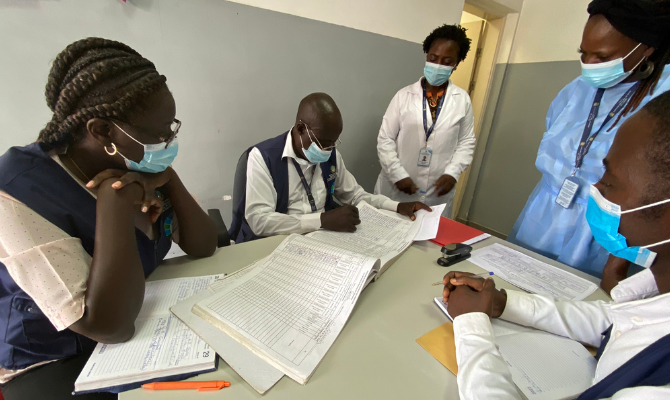
Ensuring and increasing access to tuberculosis (Tb) and Tb/Hiv prevention, early diagnosis and treatment services in the context of the Covid-19 epidemic in Angola. This has been the main objective of the CombaTB project, funded by the Italian Agency for Development Cooperation, which is coming to an end today. Started in November 2021, the intervention focused on five health centres and three hospitals in the municipalities of Luanda, Kilamba Kiaxi and Talatona.

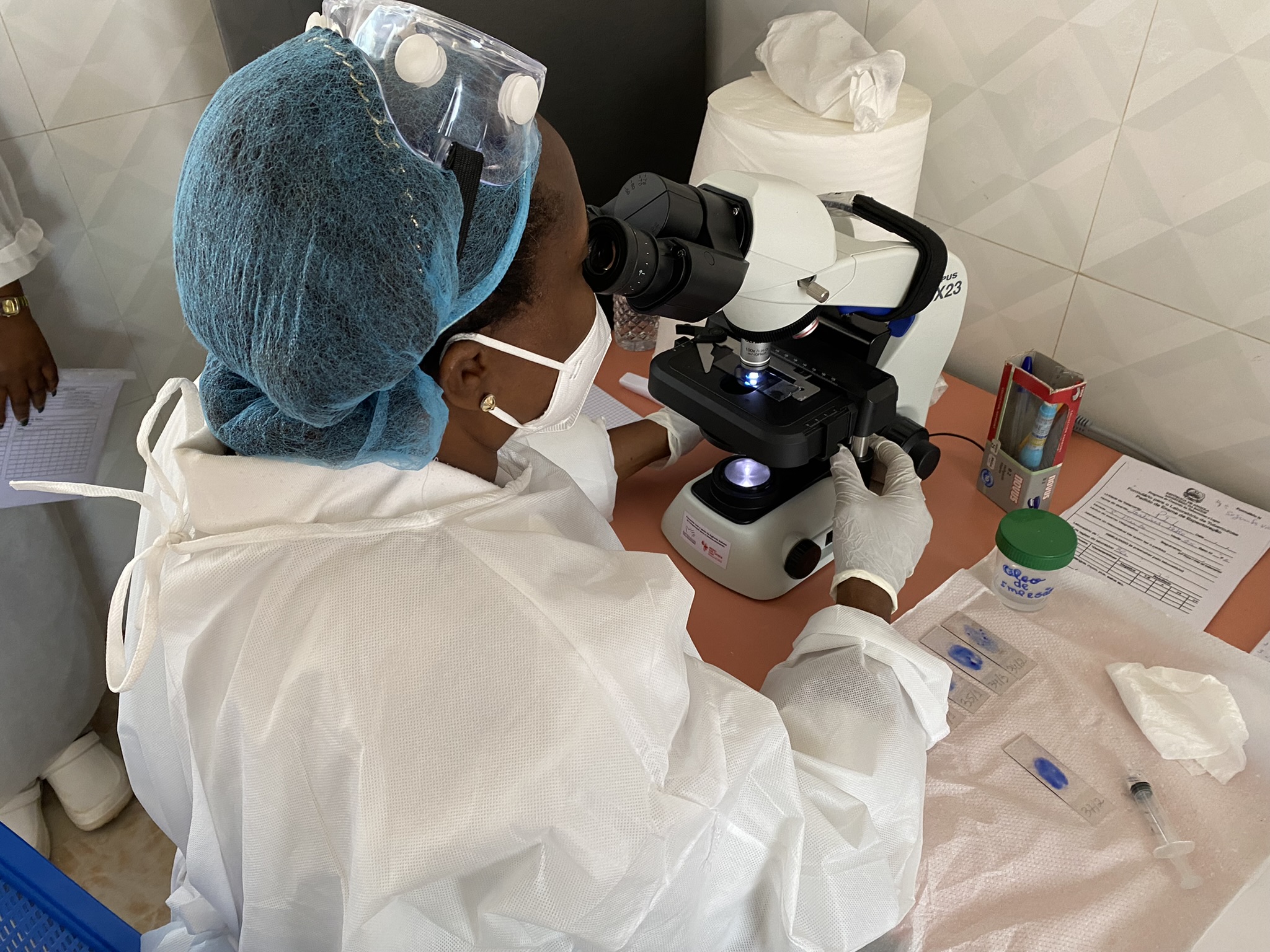
11,048 Tb patients registered, 5,363 Tb patients tested for HIV and put on treatment, 18,445 individuals sensitised on Tb,Tb/Hiv and Covid-19. In addition, 11 community activists trained on Tb, HIV and Covid-19 prevention measures, promotion of diagnosis and treatment services, and 47 laboratory technicians trained on Tb diagnosis. These are just some of the results achieved from the start of the project to April 2023. In addition to the provision of laboratory equipment and materials, the intervention also enabled the development of the integrated ‘Stop Tb-Hiv’ software with training on data collection and digital medical record compilation.

To date, 19 health workers have been trained in the use of the software and digitisation of patient registers and 7 health units register patients using the digital data collection system. The adoption of the software provided by Cuamm not only improves the quality of the data, avoiding errors and interpretations, but also optimises registration times. In addition, it makes it possible to follow the patients during the months of treatment, indicating the most critical cases automatically.

Present in Angola since the 1990s, Doctors with Africa Cuamm continues to support the Angolan health authorities, in particular the provincial health authorities of Luanda and the National Tuberculosis Control Programme, through an integrated approach to strengthen the health system. A commitment that has been further strengthened in this project thanks to the support of various partners: the Italian Centre for Global Health (ISS), the Gabinete Provincial de Saùde de Luanda (GPSL), the National Tuberculosis Control Programme (NTCP) and the association Ajuda de Desenvolvimento de Povo para Povo – Angola (ADPP Angola).

This intervention, too, was a continuous learning and knowledge-building process. Tb patients need special support because of the duration of treatment, ranging from 6 (Tb sensitive) to 18 months (Mdr-Tb multi-resistant). To reduce mortality, better identification of co-morbidities, such as HIV and diabetes, through standard screening of all Tb cases, together with nutritional support plans (food basket) is needed. Community awareness is crucial, not only to inform the population but also to identify new patients, reduce transmission and combat stigma. Finally, there is a need to standardise laboratory practices for Tb diagnosis, ensuring not only the availability of equipment but also supply planning and proper maintenance by the relevant health authorities.

IN EPANGO, ANGOLA, WITH CUAMM’S MOBILE BRIGADES

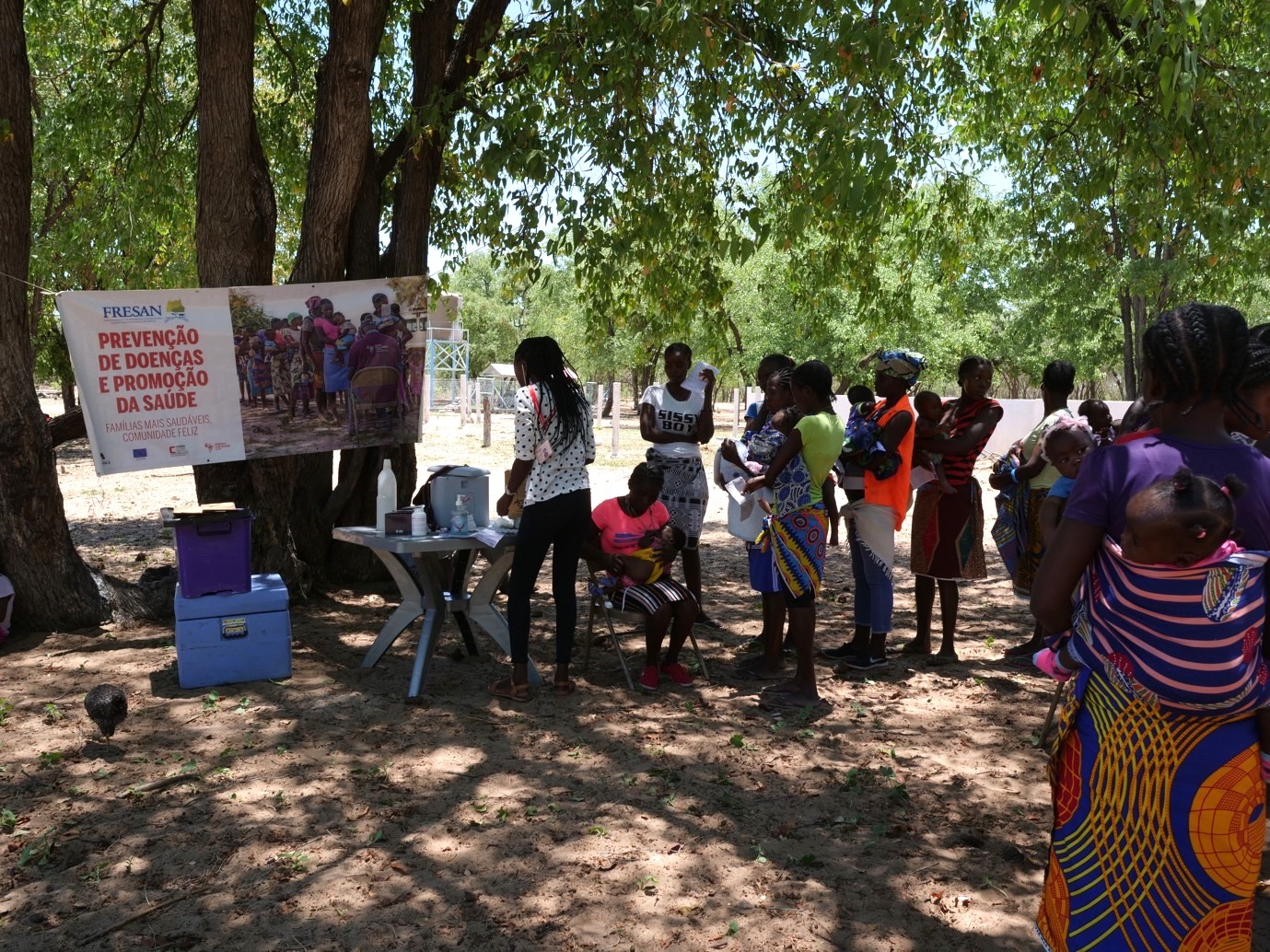
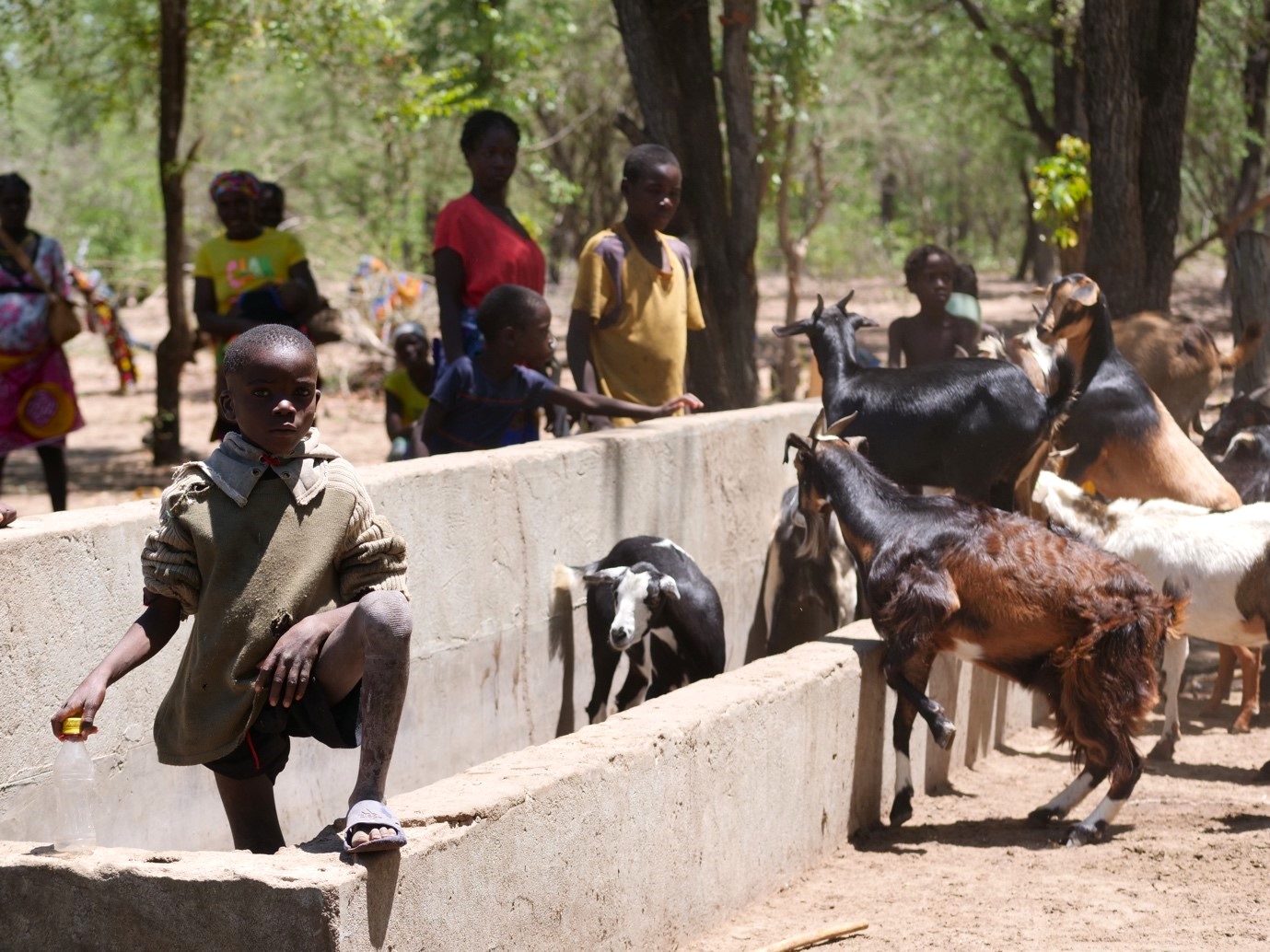
«To reach the village of Epango, in the municipality of Mucope, it takes almost two hours by car from Chiulo Hospital in southern Angola. The road is unpaved, runs through nature, and in the rainy season becomes difficult to travel on. Compared to other villages, a well here allows people access to water and a watering hole for animals. During the latest vaccination and prenatal consultations conducted by Cuamm nurses and public health nurses, 60 children under 5 and 10 new mothers showed up.

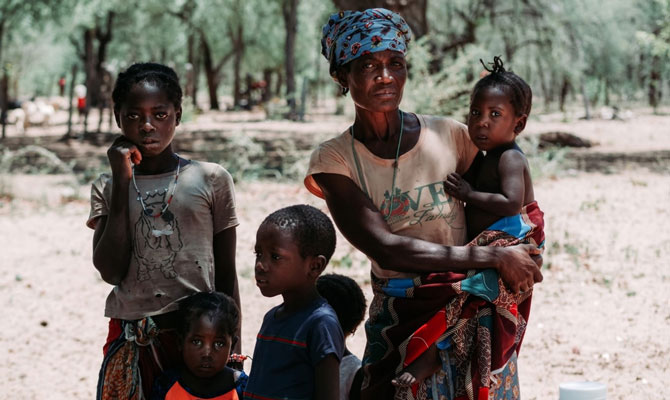
Dulce (in photo) is 37 years old, speaks the local language and arrived with five of her 12 children. She told us that her youngest was the second time she had visited. The child is two years old, was born in a “kimbo”, a typical Angolan home, and had not yet received the tuberculosis vaccine, as only the hospital administers it. Dulce became aware of the activities of the mobile brigades through word of mouth from the “parteiras”, the local midwives, and community agents, and since the meetings began to take place on a regular basis, she decided to participate. It is thanks to figures like these working among the population that Cuamm is able to reach the most remote places, to which it would not have access otherwise. Women’s main problems include transportation to health centers and the need to care for their children and camps. The presence of the Cuamm nurses makes it possible not only to bridge these difficulties, but also to help raise awareness».

 Two years of the Fresan program: the results of the mobile brigades

The Fresan program began in March 2020, implemented in one of Angola’s southern provinces, among the most affected by the worst drought in 40 years. The project aims to strengthen the health system for malnutrition management on different levels. It also aims to monitor the health status of children under five and pregnant women, improve the adoption of good nutrition and hygiene practices at the community level.

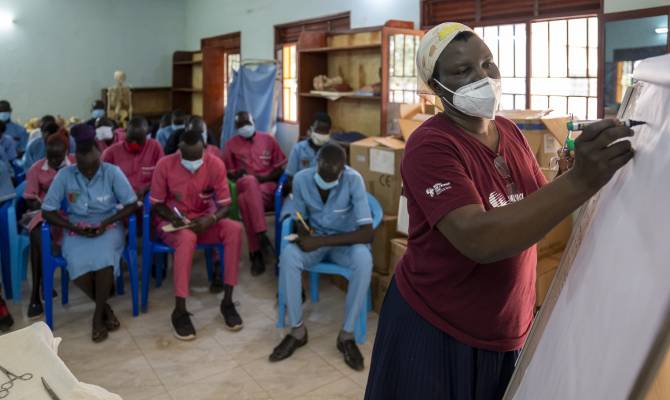
Among the program’s main activities are the mobile brigades, a team of four nurses deployed to 33 villages, in those more remote areas with difficult access to health care systems. The service brought to communities includes routine vaccinations of children under five and women of childbearing age, prenatal visits to pregnant women and nutritional screening of infants, pregnant mothers and children. Cuamm is the only organisation in Angola that currently performs a nutritional assessment of women. For those who fall within the criteria of malnutrition, our nurses deliver a food kit, a small help to be able to mitigate the food insecurity these communities experience.

Between 2021 and the first quarter of 2022, 190 outings with the mobile team were carried out, more than 10,000 children under the age of five received nutritional screening. Nearly 3,000 prenatal visits were performed. Together with the nutrition manager, at the municipal level, more than 40 supervisions with “on-the-job” training were carried out in health centres with outpatient services for the management of malnutrition. 66 health technicians, including physicians and nurses, were also trained on the integrated management of acute malnutrition.

The rates of malnutrition cases among children is highly variable from month to month, however, we can say that, in general, there has been a decrease in cases. In the first four months of 2022, the cases found are about half as many as in 2021. There was also a decrease in malnutrition cases, among pregnant women and infant mothers who received nutritional screening. We will have to wait until the end of this year to have a more in-depth assessment of the positive and virtuous effects of this intervention.

The three southern provinces over the past 3 years have been beneficiaries of an integrated program to strengthen food and nutrition security through the efforts of many NGOs, each with their own focus, nutrition, agriculture, and water. Everyone’s commitment and the blessing of a slightly more abundant rainy season than in 2021 will benefit the people of Southern Angola.


This news item has been produced with the financial support of the European Union. The contents are the sole responsibility of Doctors with Africa Cuamm and do not necessarily reflect the views of the European Union.

WHERE THERE IS A LACK OF WATER, THERE IS A LACK OF EVERYTHING

It is a drought emergency in Angola. Our daily commitment consists of focused interventions to ensure access to drinking water in a very dry territory. This is what Maurizio Peselj, a hydrogeologist who joined CUAMM on a mission created to “help those who need to be helped”, tells us. Because where water is lacking, everything is lacking.

«Mine is not a desk job. Even in Angola I was on the move to study furos, which are “traditional” wells, and cachimbas, which are wells with a large diameter but shallow depth: I visited at least 50 of them to understand their condition, whether there was a need for extraordinary maintenance and rehabilitation. What is the difference? In furos you have electric submersible pumps, powered by solar panels, while in cachimbas the water extraction system is the classic bucket with a rope lowered to be filled.

Each day started at 8 a.m. I carried out the inspections always together with the local Cuamm engineer and my colleague Antonella, head of the project “Reducing nutritional vulnerability in Cahama and Ombadja Municipalities through community surveillance and increased access to safe water sources” on maternal and child health promotion and nutrition. The intervention, supported by Camões I.P. under the FRESAN Programme, is implemented by CUAMM in cooperation with the local authorities. In the first step, we made contact with local authorities, provincial or municipal administrators, or traditional authorities such as soba to set priorities. Then, we travelled around the mato, the bush, to visit dislocated health centers – on “roads not roads”, as I say, often interrupted by fords or unthinkable obstacles, such as potholes, landslides – to see if they could fit into our nutrition programs and, at the same time, to check the level of drinking water supply.

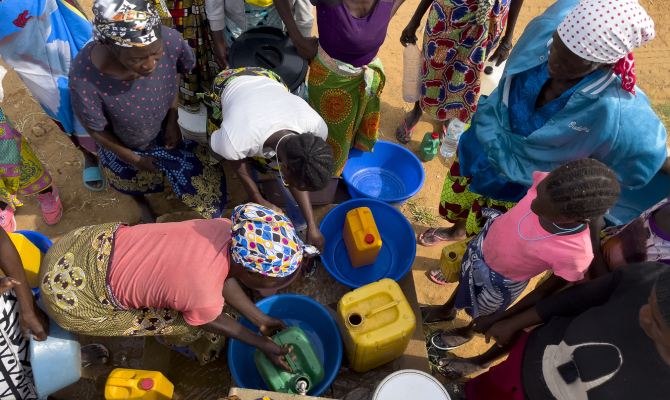
Now the southern province of Cunene suffers from a chronic dry situation, with rainfall ranging from 300 to a maximum of 450 millimeters of water per year, well below the threshold that is considered the limit for considering the area dry. There is a real quantitative and qualitative deficit in access to the primary water commodity for excellence. Most of the population takes water from chimpacas, rectangular basins (60×100) with a depth in the center between 3 and 5 meters, which are filled with rainwater. Since they are not protected basins, animals can access them, to the detriment of water quality with consequences for people’s health.

Orlanda, a 30-year-old Cuamm worker, showed me her home. She has five children and also houses some orphans, children of her brothers and sisters, forming a family of ten. In her hand Orlanda held packets; she explained to me that she uses them to purify the water collected from the watersheds in the area. This is not always enough to make it safe.

When I return from the mission, once again, I feel changed. I am surprised to be amazed, every time. By now, I live my fifth life. The thing I will always carry in my heart is the will to live that I found in this land! I think we must continue to walk with Africa, to help those who need to be helped. I hope that this need may cease sooner or later. But in some cases, it’s like when we’re looking at a chronically ill person: we have to keep treating them, for life».


This news item has been produced with the financial support of the European Union. The contents are the sole responsibility of Doctors with Africa Cuamm and do not necessarily reflect the views of the European Union.