DEDICATION CAN HEAL THE MOST VULNERABLE
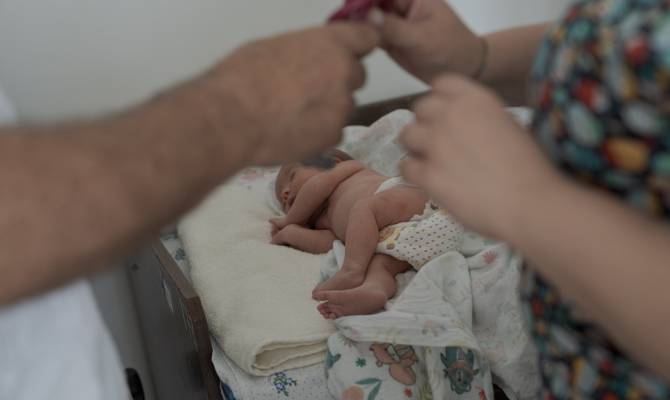
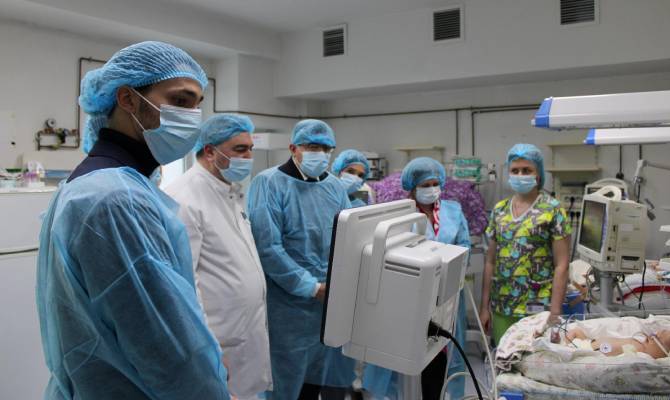
A training program on neonatal emergency and resuscitation was delivered to medical teams in Moldovan peripheral facilities thanks to a program designed and planned by CUAMM in partnership with UNICEF.
Over 1.000 women and children assisted through the provision of medicaments, 1.900 consultations performed and 100 doctors trained are some of the results collected at the end of the UNICEF supported project implemented by CUAMM in Moldova.
Since the conflict broke out on 24th February, 2022, over 869.000 people crossed the border seeking refuge in Moldova. CUAMM, in partenrship with UNICEF has been supporting the most vulnerable by providing health assistance within RACs.
They flee war, persecution, violence to go towards a horizon of hope, seeking a decent life. On World Refugee Day we renew our commitment to ensure decent living conditions and access to health services for migrant and refugee populations everywhere.
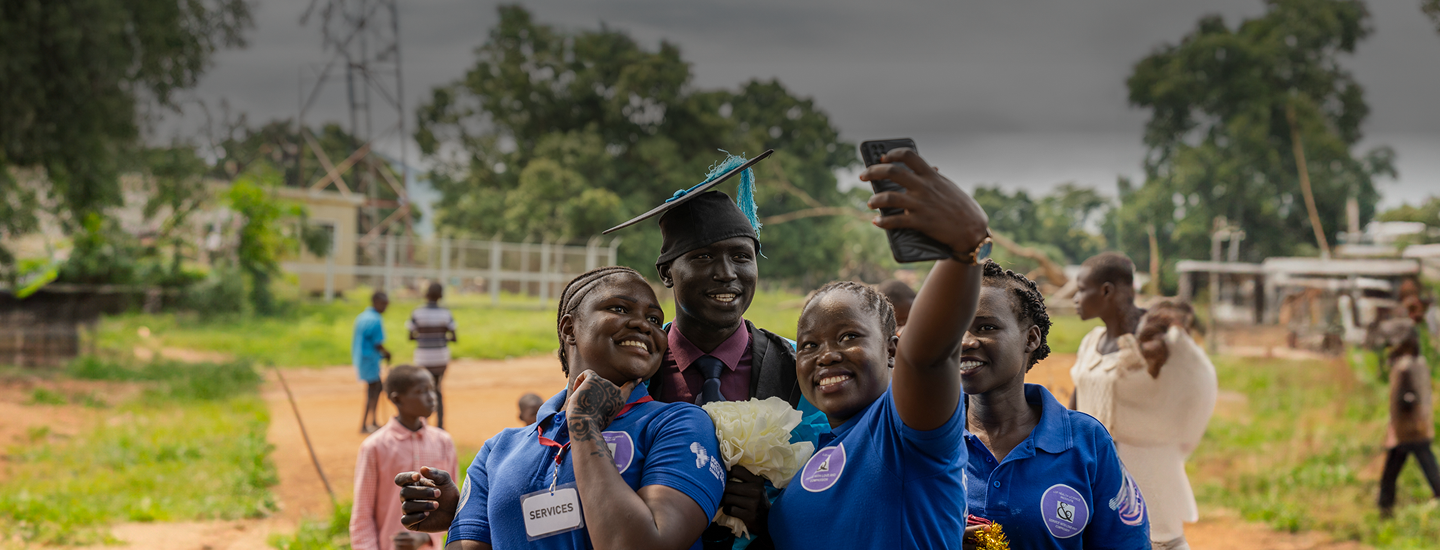
Healthcare represents a major economic burden to families in CAR where more than 3 million people live in extreme poverty. Yet, access to health services is now free in the latest mile of CAR, thanks to the PBF strategy adopted by CUAMM through a program funded by the European Union.
A journey of continuous learning and knowledge enhancement. The project "Combating TB and HIV in the time of Covid-19 through increased access to prevention, early diagnosis, treatment and follow-up services" comes to an end.
A 55-days-long adventure begun with the labour and ended when the four twins were discharged from Tosamaganga hospital, Tanzania. A story of success, joy an above all life.
A new project by the University of Florence, in collaboration with CUAMM, aims to engage HIV-positive adolescents and young adults to provide up-to-date information to health authorities in the Shinyanga region and strengthen the health system and HIV services.
In Mozambique, important progress has been made in the prevention of non-communicable diseases, thanks to improved screening services offered in "cantinhos de rastreio".