IN THE FIELD
Training Nurses and Midwives in Rumbek to Ensure Essential Care
Africa, South Sudan
For mothers and children
Training in Africa
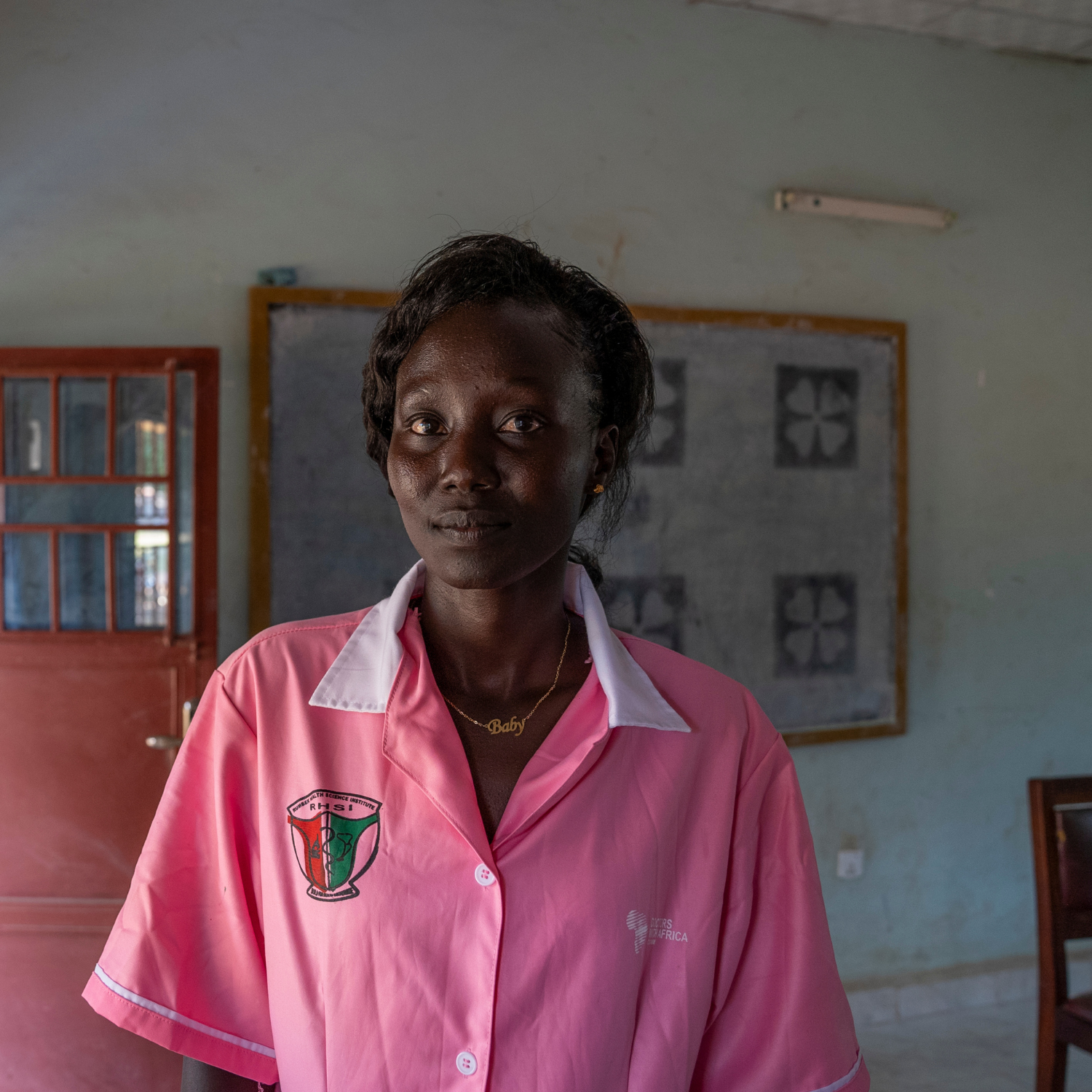
In South Sudan, access to healthcare is limited, especially outside urban areas. In Rumbek, the hospital serves over 700,000 people, but a shortage of staff makes it difficult to ensure continuous care. For years, the hospital was considered unsuitable as a training site for the affiliated Health Sciences Institute; as a result, students were sent elsewhere to complete their practical training.
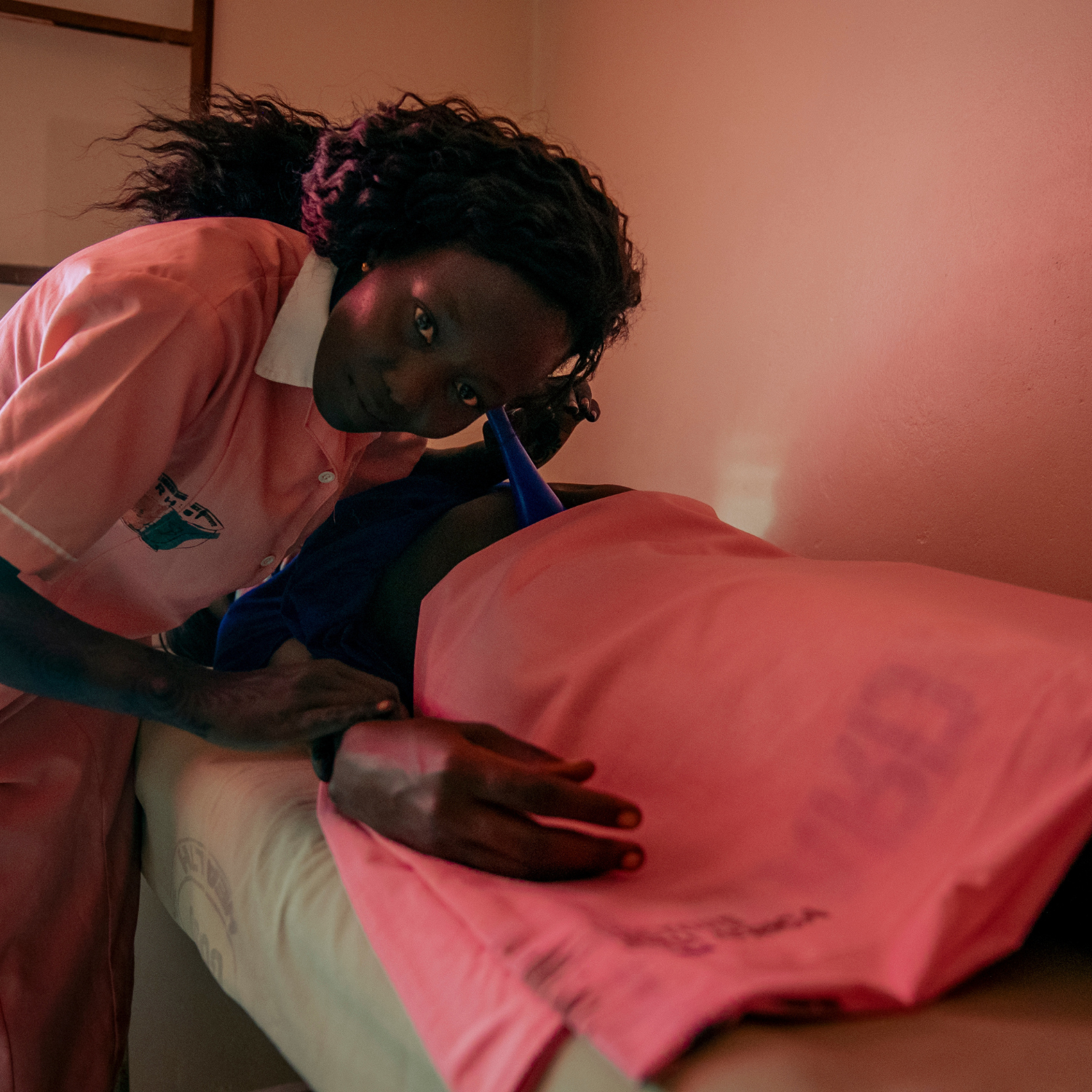
midwifery and nursing courses, with a strong emphasis on protecting the health of mothers and children during the first 1,000 days of life. This also involves a greater investment in the development of human resources, seen as a key driver for improving health services and strengthening health systems.
In Rumbek, we work to make healthcare more accessible by strengthening the local health system.
-
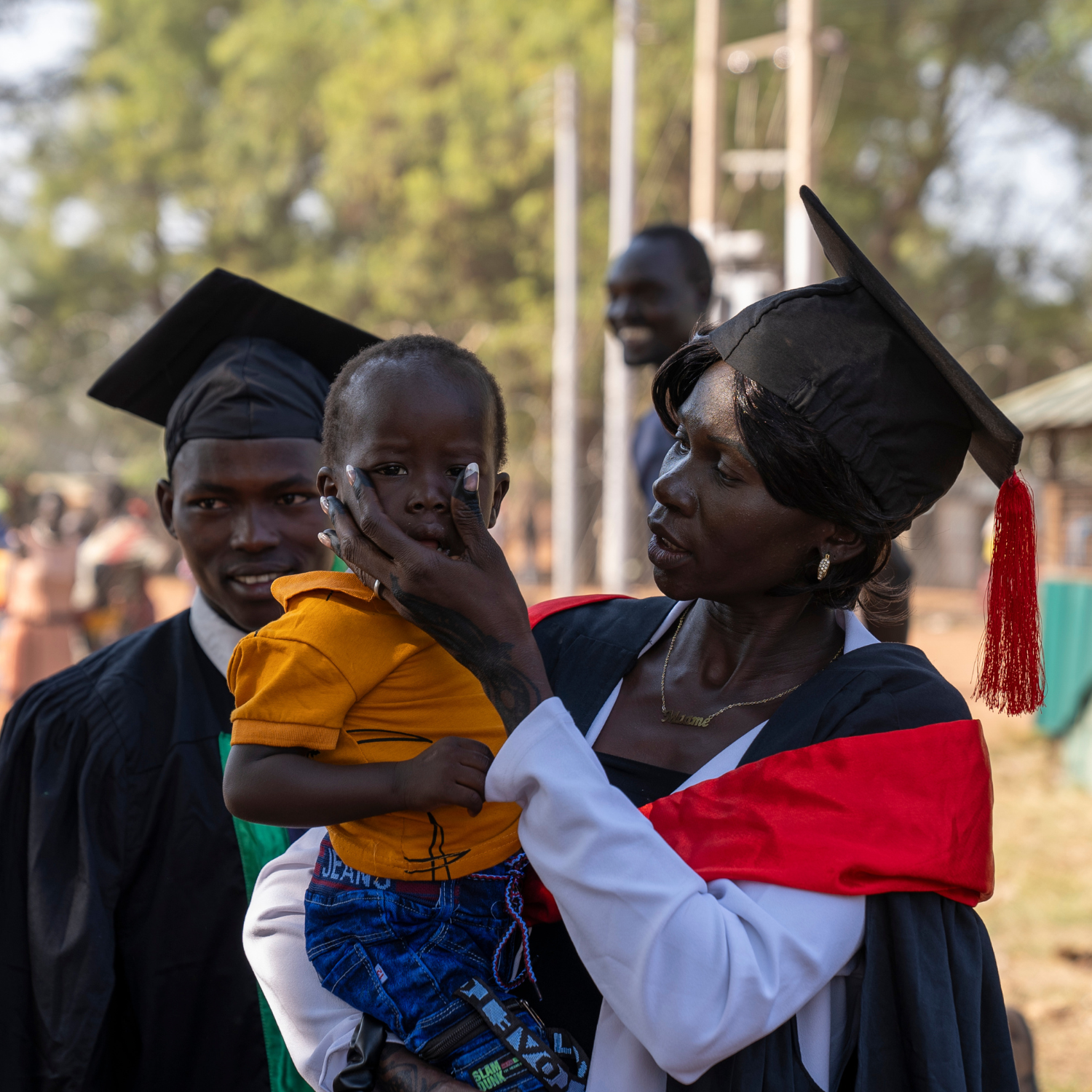
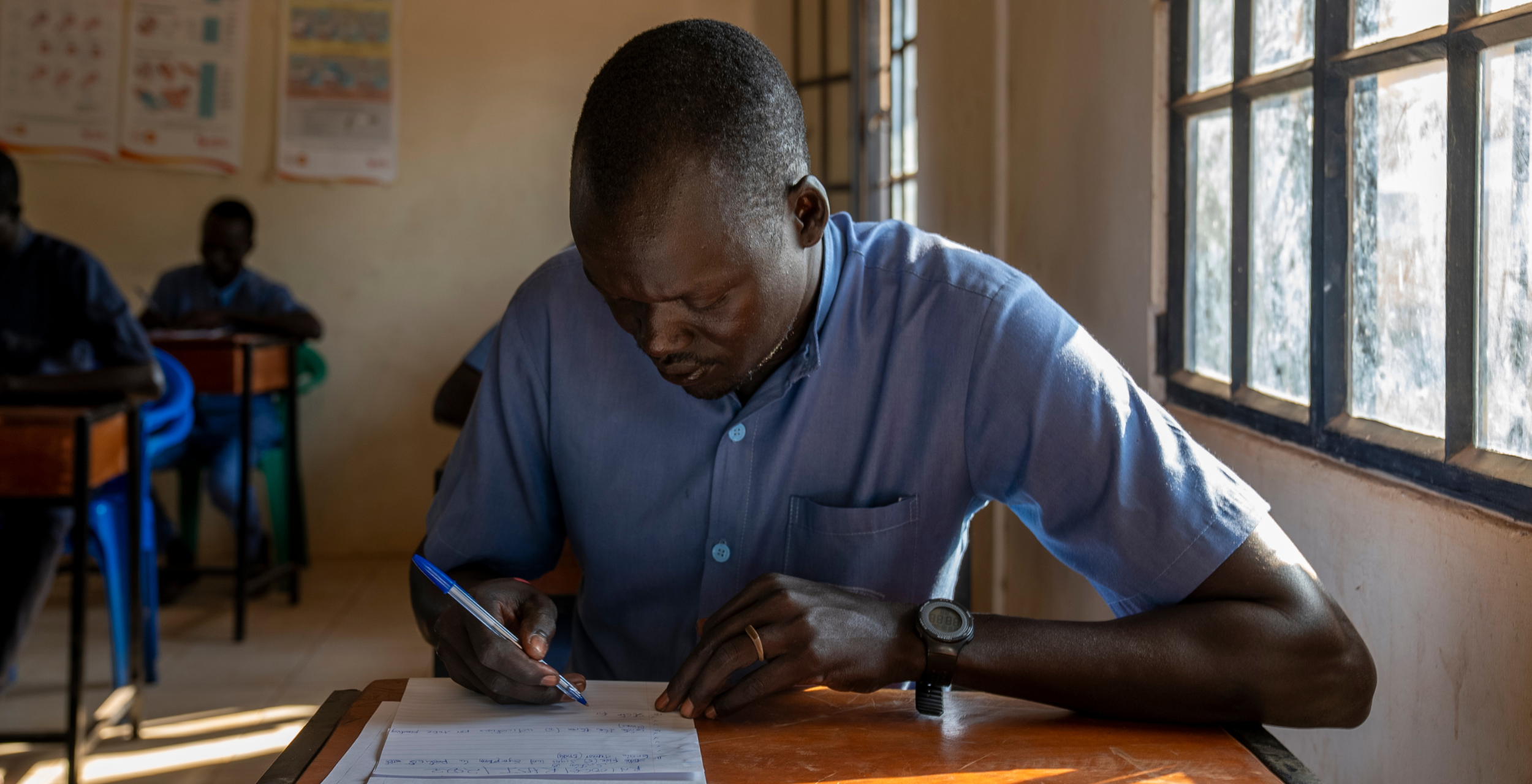
 The school currently hosts 287 students, including nurses, midwives, and health technicians. In 2026, 86 new graduates will join the workforce, strengthening healthcare services across the region.
 -
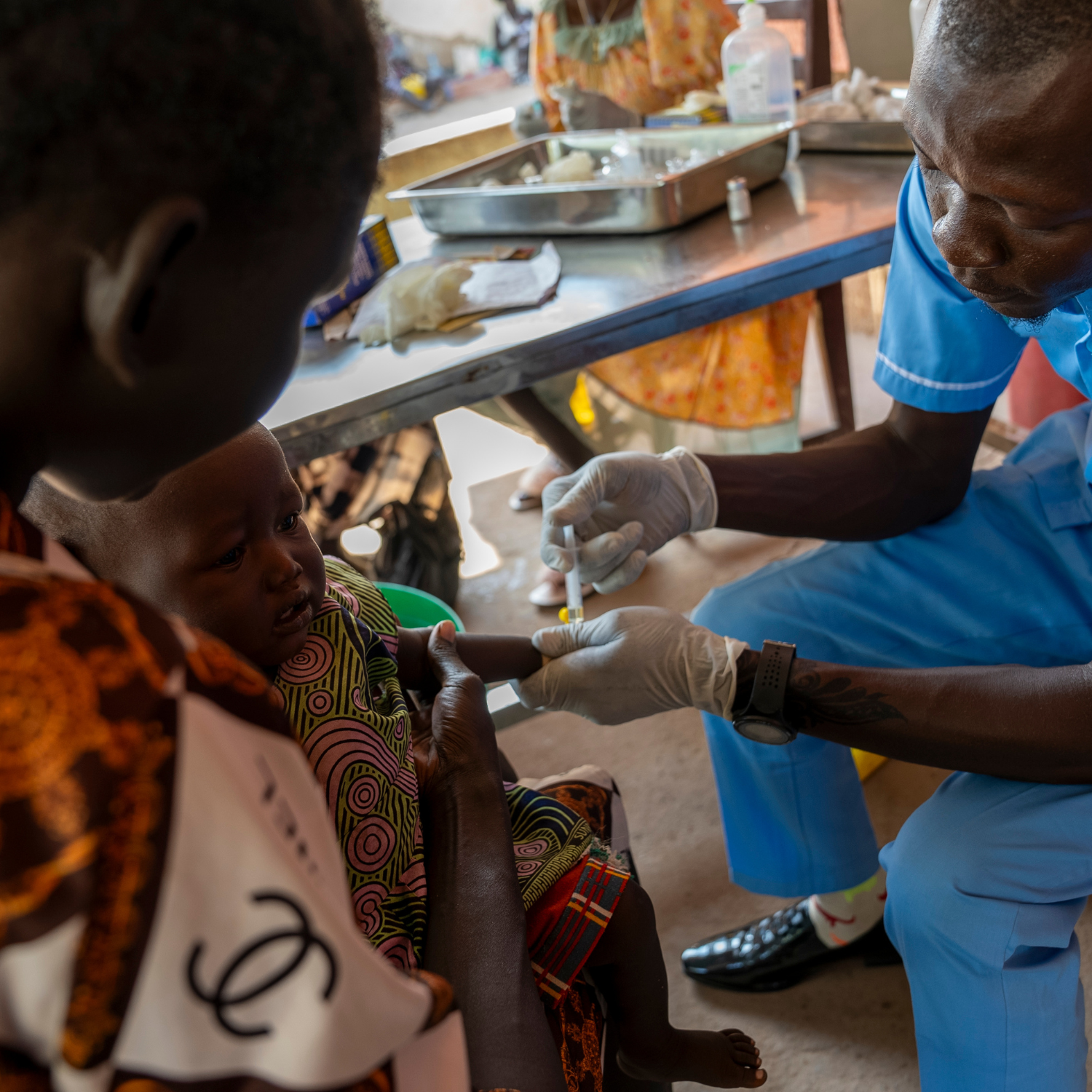
 The intervention contributes to improving maternal and newborn health services.
Strengthening healthcare training is not a short-term intervention. It is an investment that allows the health system to grow over time, becoming more autonomous and better able to respond to the needs of the population.
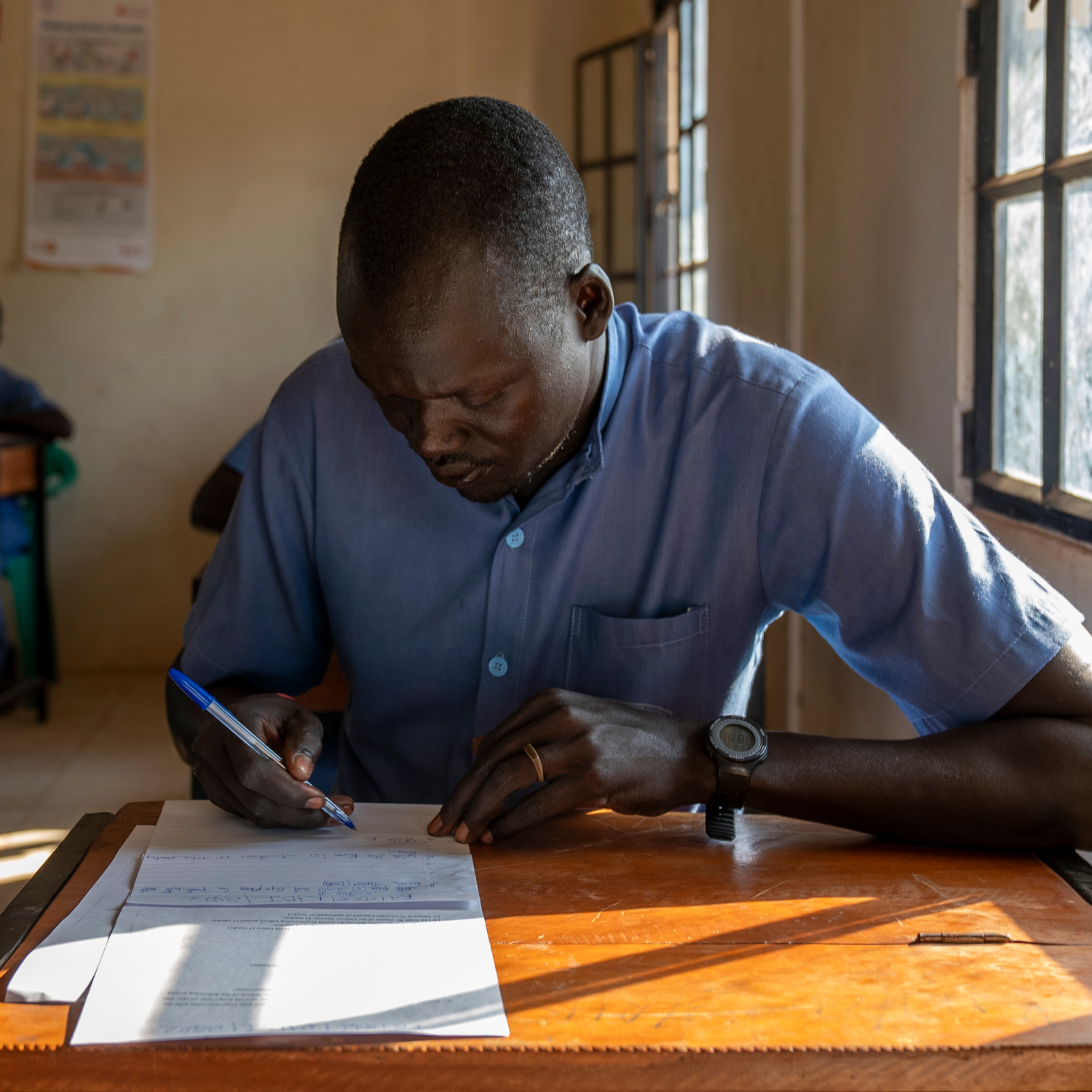
To make training possible, adequate conditions must be ensured for students throughout their education. This includes access to teaching, practical training materials, hospital internships, and support for accommodation and meals. Supporting training means strengthening the long-term presence of qualified healthcare professionals in the region.