
IN THE FIELD
Community-Based Healthcare for Seasonal Workers in Apulia, Italy
Italy
In emergencies
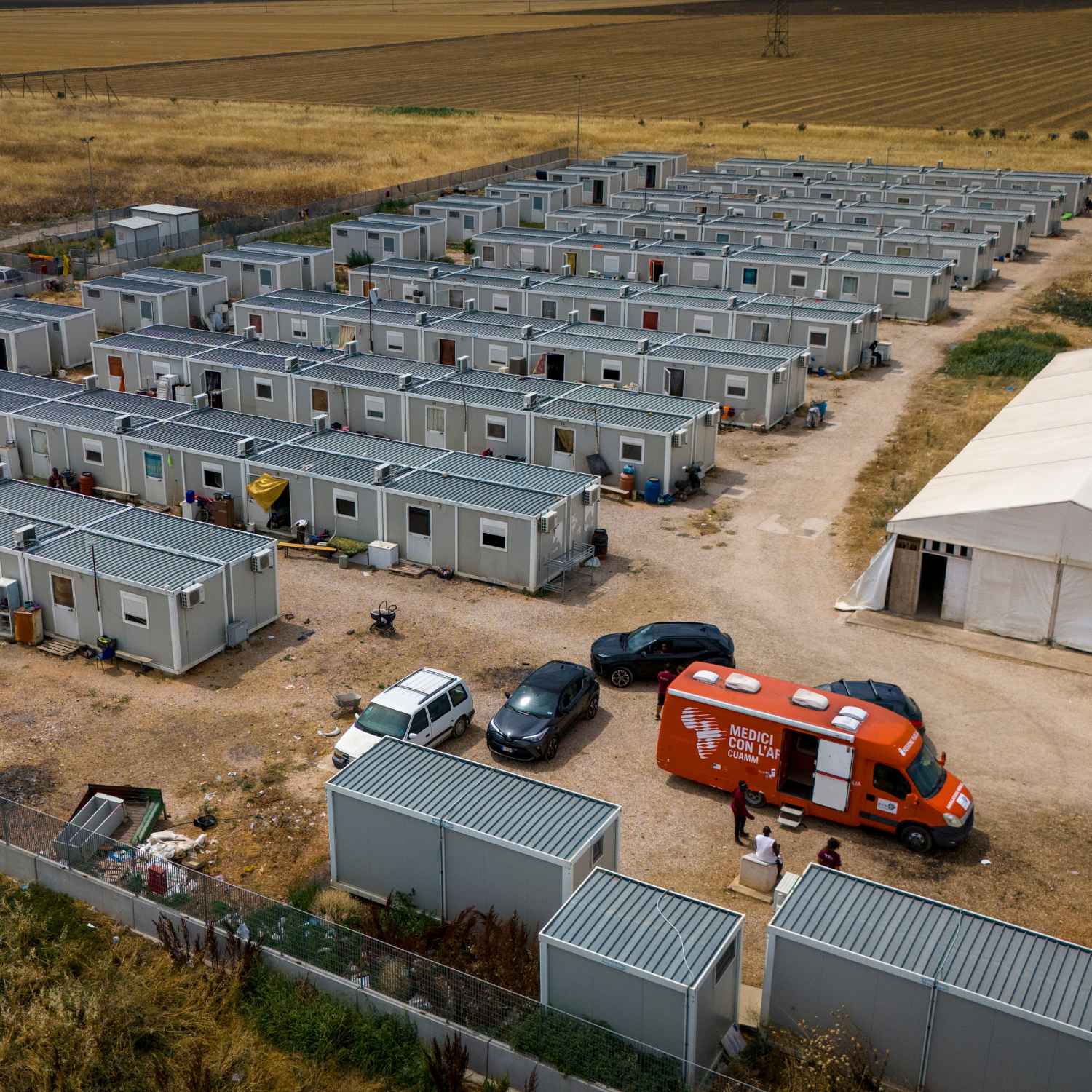
In Apulia, southern Italy, agriculture attracts thousands of migrant workers every year, many of whom are asylum seekers from Sub-Saharan Africa. Over 6,000 people live in informal settlements or so-called “ghettos,” often isolated from urban centres and lacking essential services.
In these settings, marginalisation is extreme: only 8% of people have access to a general practitioner, and the vast majority do not hold valid documents or a health card. Poor hygiene conditions, social exclusion, and exhausting work in the fields have a severe impact on their health, with many workers exposed to exploitation and illegal labour practices.
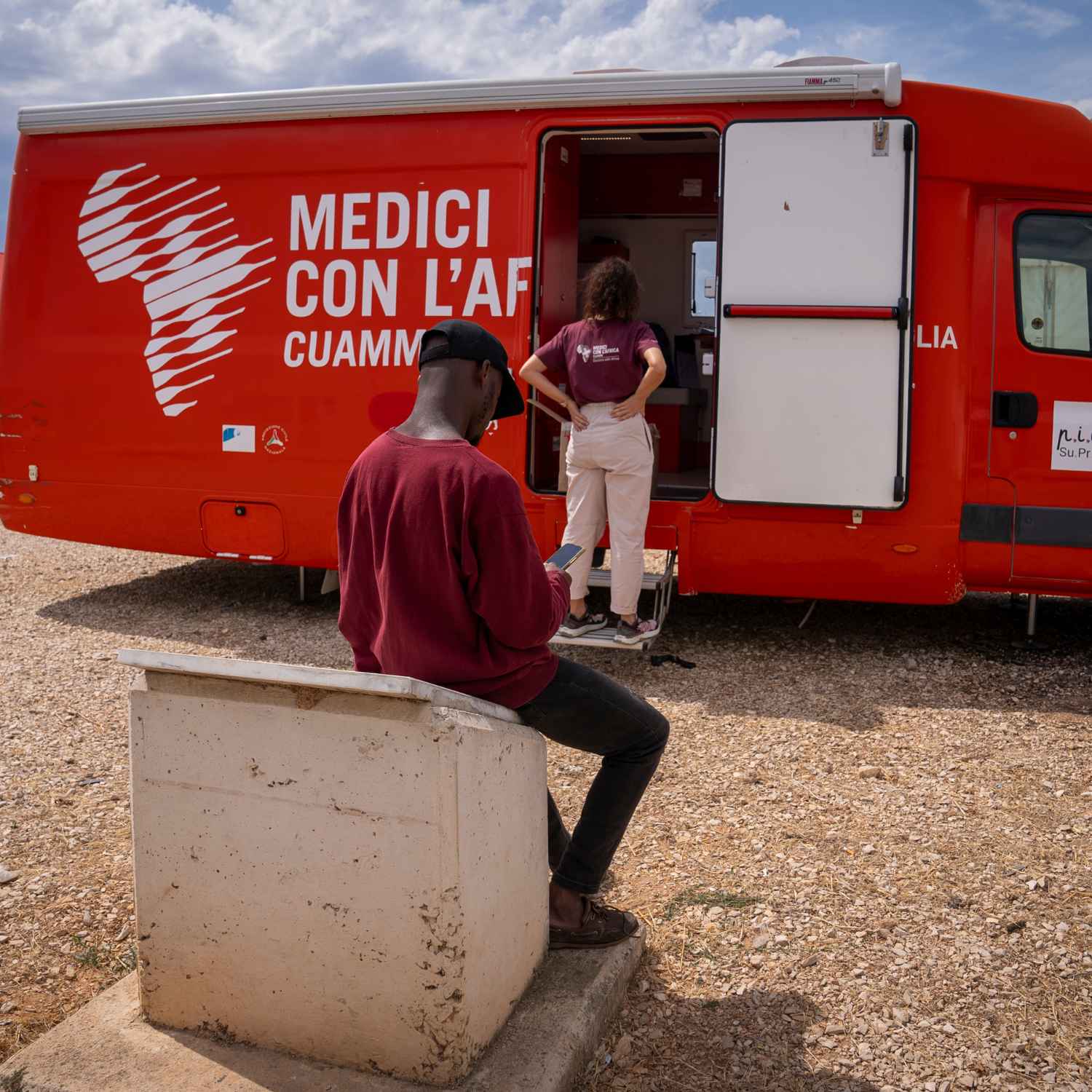
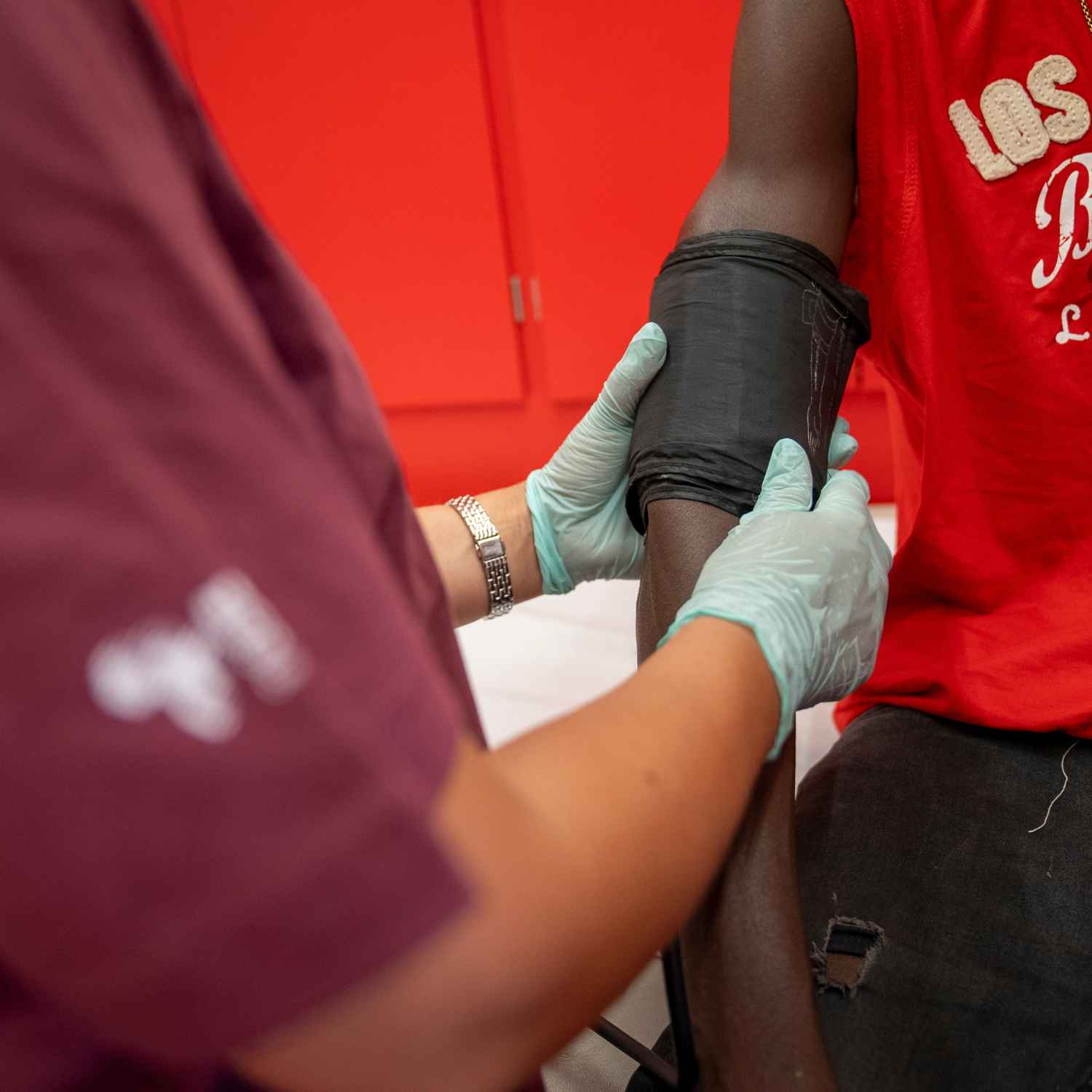
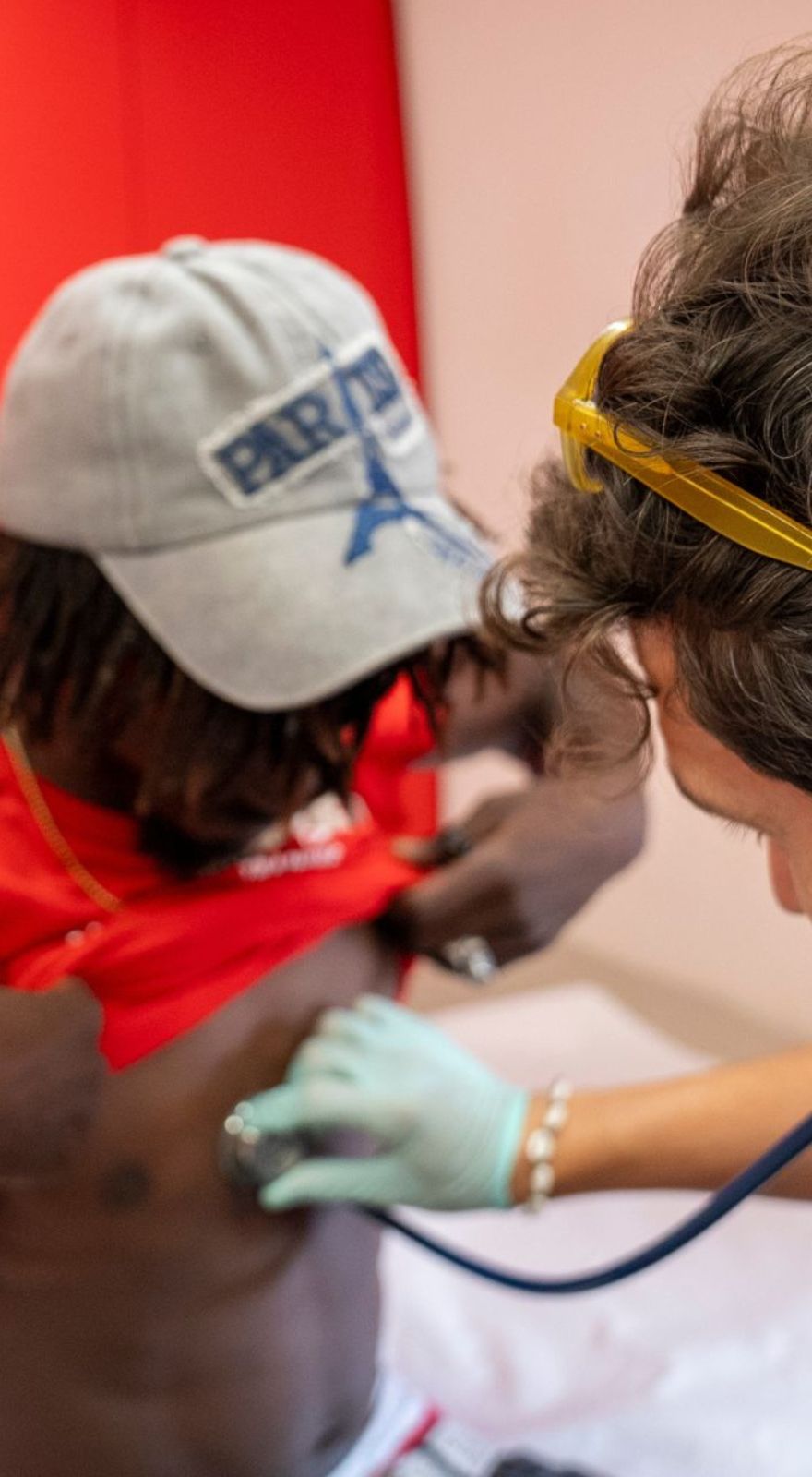
Founded in 2015, CUAMM’s work in Puglia is a ‘community-based healthcare’ intervention that brings care directly to where the most vulnerable live, creating a bridge with the National Health Service. We identify and treat chronic conditions such as diabetes and hypertension, as well as dermatological and gastrointestinal issues and musculoskeletal pain linked to living and working conditions. We support patients in overcoming language and bureaucratic barriers, facilitating access to local health services in collaboration with local health authorities and the Puglia Region. In Bari, we also work in the Japigia Roma camp and with people experiencing homelessness, providing prevention services and listening support to those completely excluded from formal healthcare pathways.
Launched in 2015, CUAMM’s work in Apulia is a model of “proximity healthcare” that brings medical care directly to those most in need, building a bridge with the National Health Service.
-
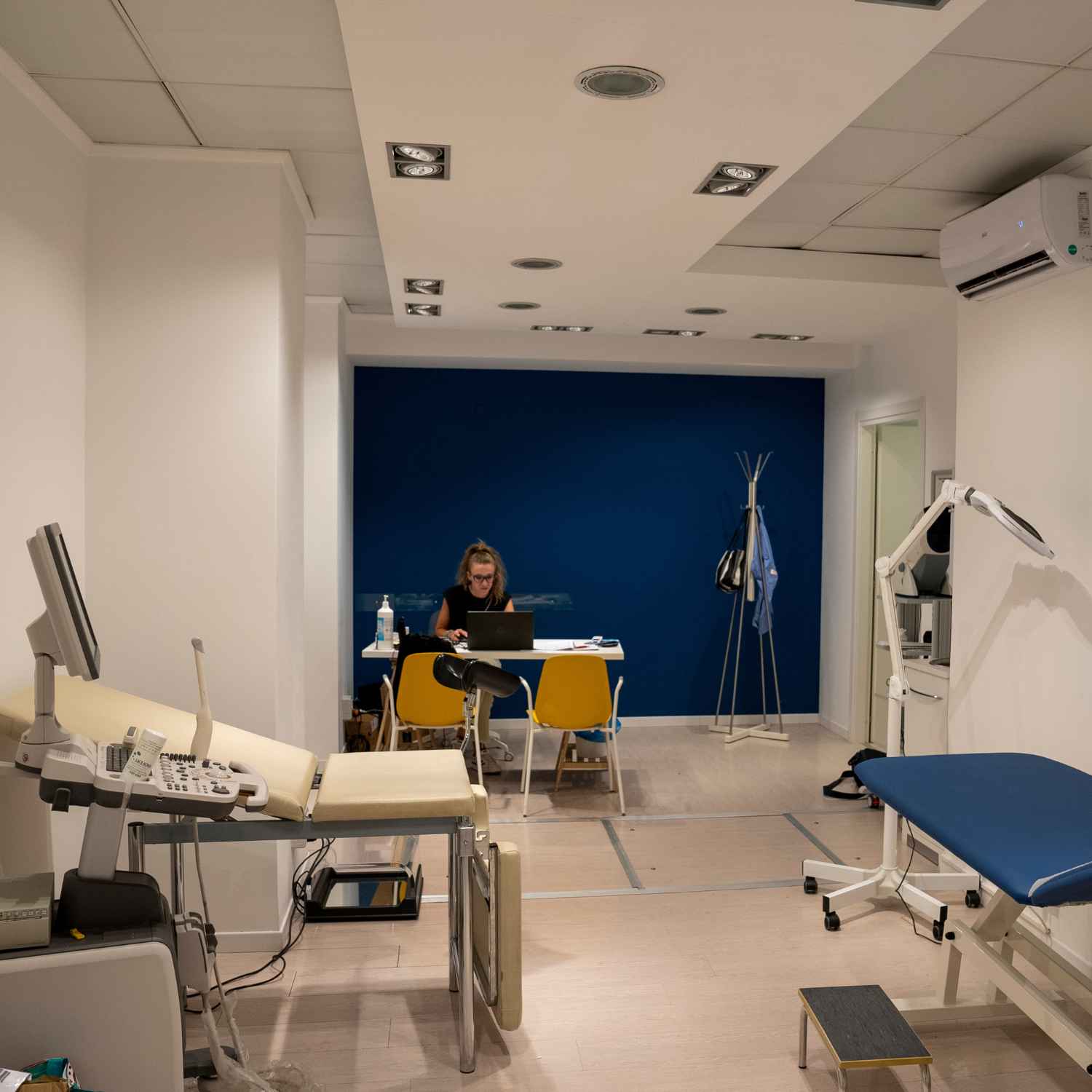
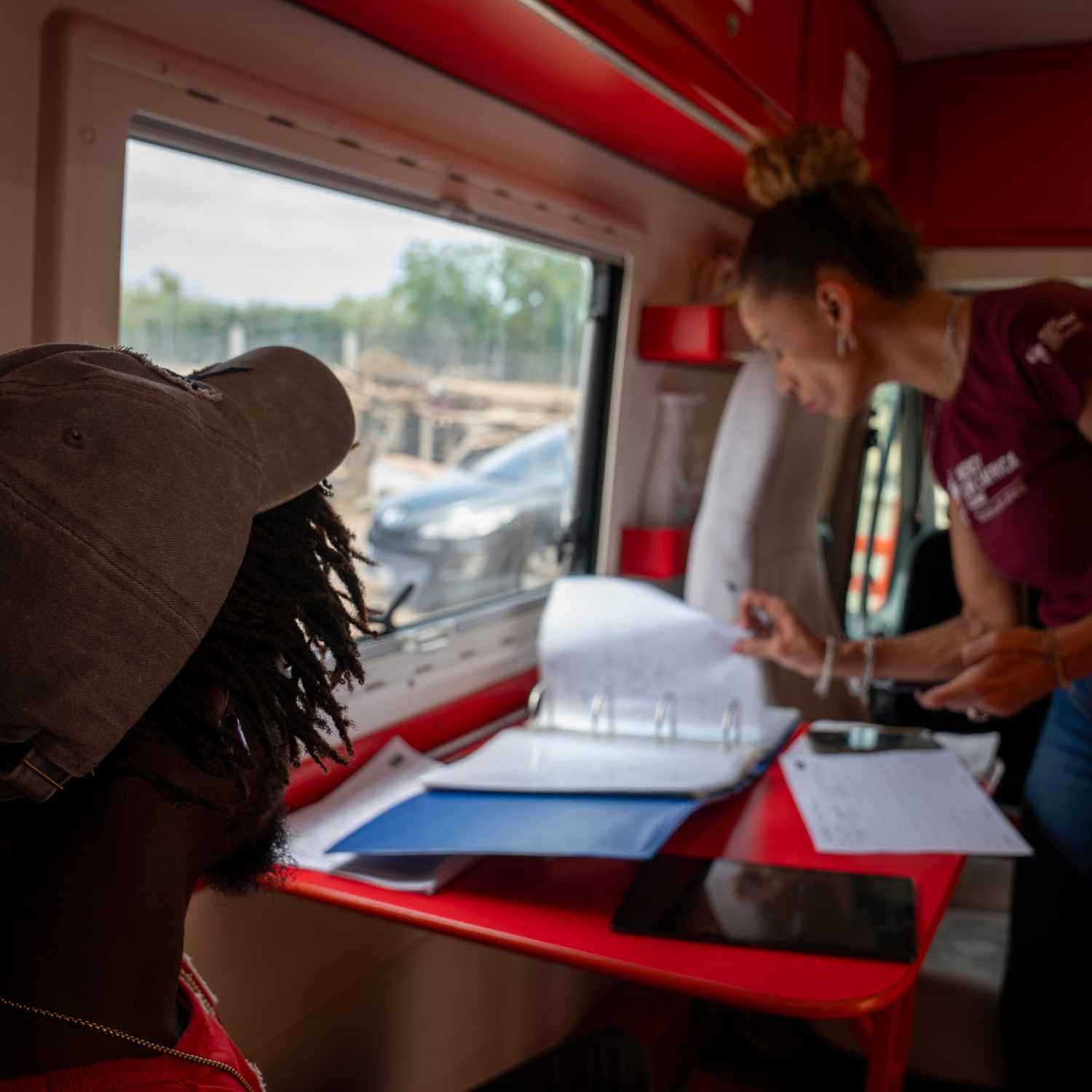
 Thanks to a mobile clinic and a multidisciplinary team (doctors, nurses, and social workers), we reach informal settlements in Foggia (Casa Sankara, Arena), as well as Nardò, Turi, and Terlizzi.
To ensure this continuous healthcare presence, it is essential to support the operational costs of mobile health clinics, the purchase of medicines and basic medical equipment, and the presence of qualified staff and volunteers.
Ensuring proximity healthcare means defending the right to health and the human dignity of those working in our fields, ensuring that no one is left behind because of their legal or social status.