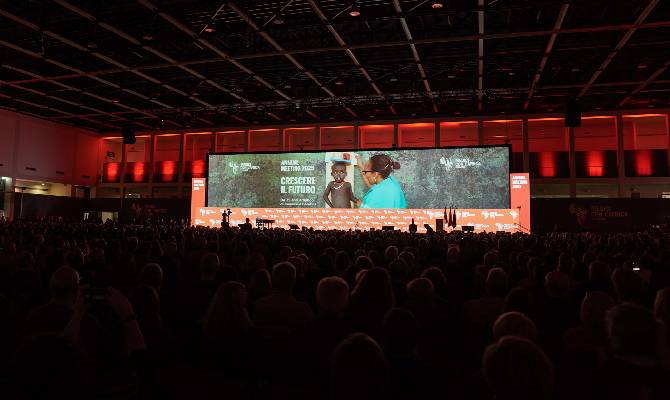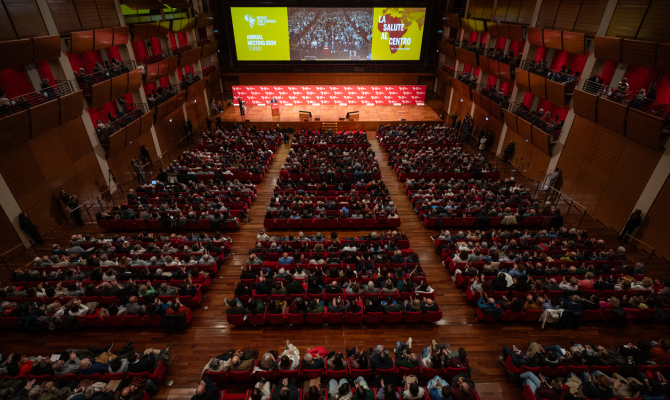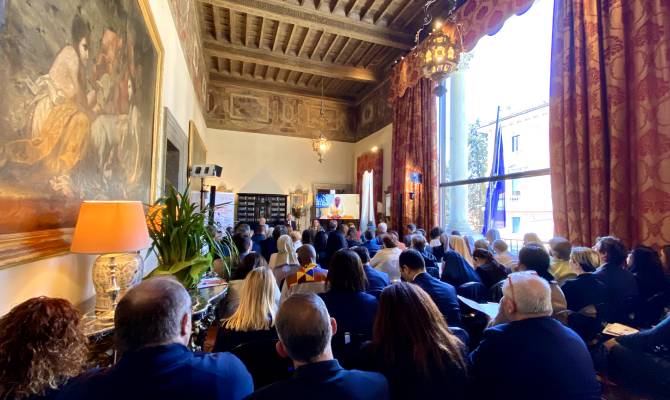
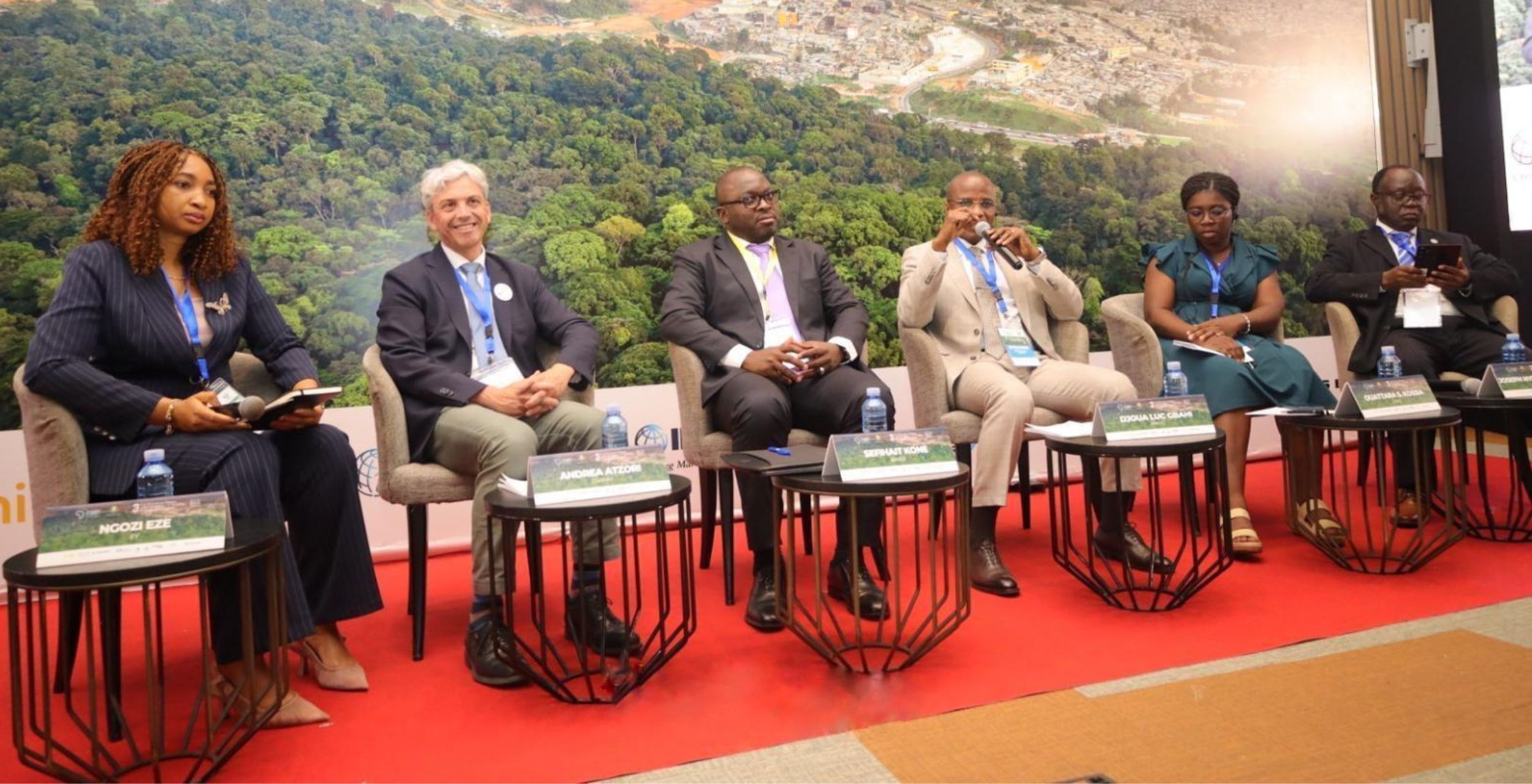
A two-day conference in Abidjan recently provided a vital platform to examine Africa’s energy transition from within the continent itself. Embracing a multi-sectoral approach, the event aimed to drive a development agenda where priorities, institutions, and voices are centrally rooted in Africa.
This prominent gathering was the International Network on African Energy Transition (INAET) conference, held in Ivory Coast from June 11 to 12. It brought together researchers, economists, engineers, international finance representatives, European entrepreneurs, and scholars from across the African continent. Among the key themes at the heart of the conference were the interconnections between energy, economic development, and industrial growth. Over the two days of meetings, speakers explored topics such as energy access, sustainable agriculture, biofuels, clean cooking solutions, and carbon markets.
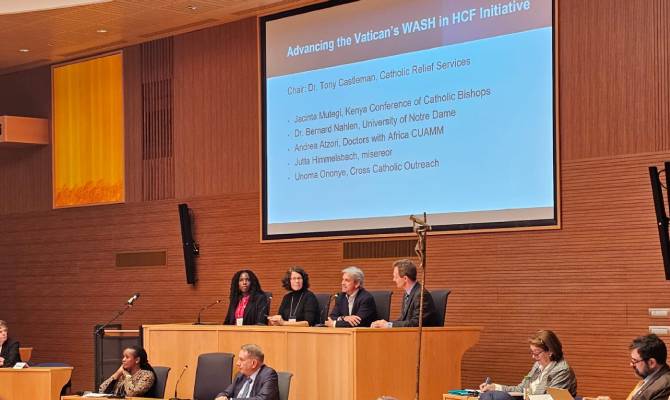
We also proudly participated to reaffirm that public health simply cannot be left out of this crucial global conversation.
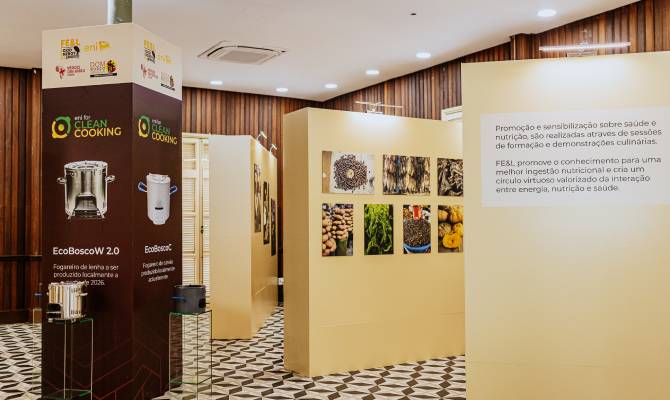
The link between energy and public health is in fact profoundly real. For us, this vital connection has inspired a new commitment on the continent: the promotion of improved household cooking methods through the Clean Cooking program, implemented in Angola in close collaboration with the Salesiani Don Bosco and with the support of Eni. This prestigious event provided the perfect stage to showcase this initiative, emphasizing its transformative impact on community health and celebrating the results achieved so far. By introducing modern cooking solutions, this multifaceted partnership proves that the global energy transition can seamlessly align with health equity, nutrition and women’s empowerment.
“At CUAMM, we see clean cooking as much more than an energy intervention. It is a public health investment that starts in people’s homes, where the health of women, children and entire families is most directly affected by indoor air pollution. By promoting safer and more efficient cooking solutions, we are helping to reduce the harmful effects of household air pollution while improving quality of life and strengthening communities. This is why it is so important that health has a place in the global conversation on Africa’s energy transition,” said Andrea Atzori, CUAMM Head of International Relations.
More Than Energy: A Multi-Dimensional Impact
Our ongoing work in Angola, where hundreds of thousands of improved cookstoves have already reached families and communities, provides a clear blueprint for the future. Clean cooking is far more than a simple energy solution; it is a cross-cutting intervention addressing several of the world’s most pressing challenges simultaneously:
- A Public Health Intervention: Traditional cooking methods involving open fires and biomass release toxic smoke, leading to severe respiratory illnesses that disproportionately affect women and young children. Improved cookstoves drastically reduce indoor air pollution, saving lives and lifting a heavy burden off local healthcare systems.
- A Pathway to Greater Gender Equity: Women and girls typically bear the burden of spending hours every day gathering firewood and cooking over hazardous flames. Clean cooking solutions free up valuable time, opening doors to education, economic independence, and leadership opportunities within their communities.
INAET is an international multi-stakeholder network promoted by Eni and the Luiss School of Government in Rome, in collaboration with the World Bank Group, including the Institute for Economic Development and the International Finance Corporation (IFC). Organized under the high patronage of the Ministry of Mines, Petroleum, and Energy of the Republic of Ivory Coast, the initiative reflects a shared commitment to supporting African priorities in energy transition and development. The platform aims to foster dialogue and cooperation between African and international actors, creating a bridge between academia, institutions, and businesses.