Amhara bringing care to displaced persons and host communities

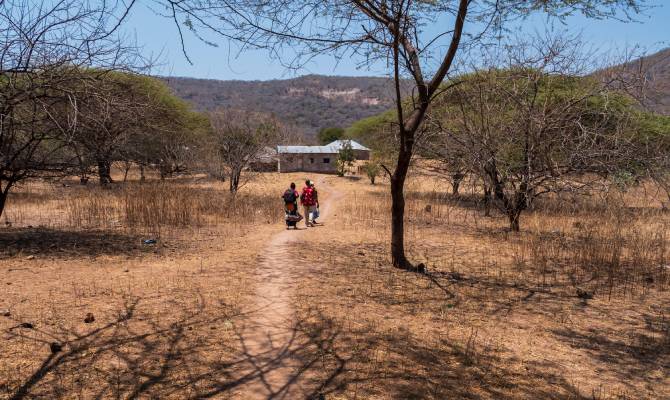
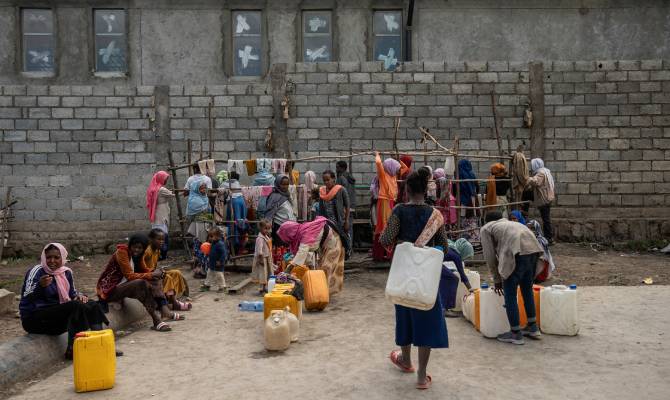
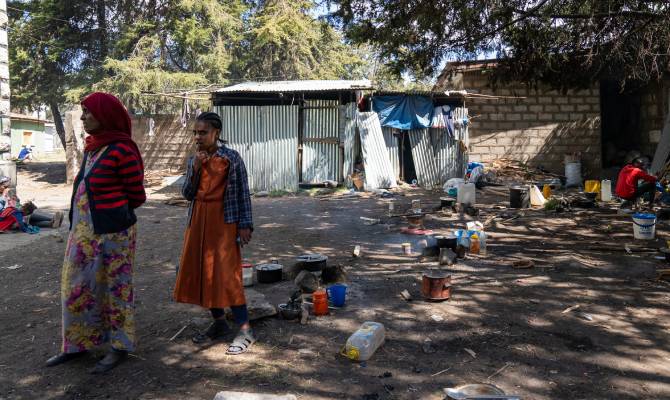
Nearly 22,000 people live in Debre Berhan, North Shewa Zone in Amhara region, Ethiopia. Internally displaced people (IDPs) located in three camps: China, Woynshet, and Bakelo Camp, and mostly coming from Wollega, Oromia region. Besides camp residents, there are thousands of IDPs hosted in the communities whose living conditions still need crucial attention.
Moreover, the conflict and insecurity in the region compromise access to basic health services even for the host communities, with recurrent service interruption, stock-outs of medicines and lack of essential nutritional supplements, among others.

In order to cope with this situation, CUAMM together with Cifa has implemented the project “Promoting protection and access to health and nutrition services for internally displaced people and vulnerable communities in emergency situations”, funded by the Italian Cooperation.

It is precisely thanks to this intervention that Medina Yesuf and her family’s life has improved.
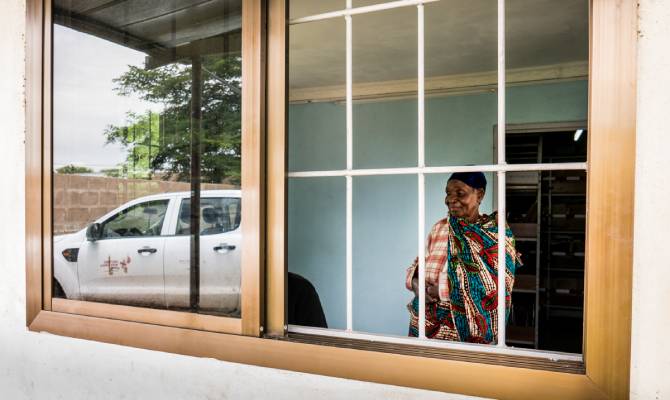
She is 26 years-old woman, who was displaced from East Wellega due to internal conflict and now she’s living with her husband and child in China Camp IDP site.

She firstly got in touch with CUAMM, after undergoing a surgery for an extra pulmonary TB case in Debre Berhan Hospital and she received TB medications and follow-up treatment through CUAMM’s mobile health and nutrition team (MHNT).

‹‹Thank you Allah; I am near to finishing my medication now. My husband was also tested for TB because he was sick. But he is fine››, Medina said.

The Mobile Health and Nutrition Team (MHNT) maintained continuous operations, delivering essential health services to 21,258 beneficiaries across IDP camps and host communities. The team, composed of a Health Officer, Nurse, and Midwife, was strengthened by the recruitment of a Pharmacist, enhancing service efficiency.
Despite receiving her own treatment, Medina remained deeply concerned about her son’s deteriorating health. Born with a small swelling on his back, the lump gradually enlarged and began to leak fluid. Therefore, when he turned ten months, Medina sought help from the CUAMM MHNT Clinic at China Camp. The medical team first referred him to Debre Berhan Hospital and then to Hakim Gizaw Hospital, which recommended further examination in Addis Ababa before surgery could be performed. However, due to the costs she couldn’t afford, Medina returned to the IDP camp, hoping that someone might help her child receive the care he urgently needed.

The project also supported referral services and healthcare reimbursements for childbirth assistance, facilitating access for vulnerable populations.
There were a total of 435 referrals.

‹‹At that time, Cifa was providing financial assistance to the most vulnerable groups in China camp, and I was selected as a beneficiary through the CUAMM medical team. I was given 10.000 birr and I was able to take my son to Addis Ababa for critical examination››, Medina continued.

Following the assessment, she returned to Hakim Gizaw Hospital, where her child successfully underwent surgery.

‹‹They take good care of us. If it weren’t for the CUAMM medical team, my son would have died›› – Medina concluded.

Today, Medina and her son regularly visit the CUAMM MHNT clinic, where they continue receiving essential follow-up care and treatment after their surgeries.

Throughout the project, 47.170 people accessed to health and nutrition services, including dedicated mental health and psychosocial support (MHPSS) and sexual and gender-based violence (SGBV) services. Among other services, outpatient consultations, antenatal and postnatal care, family planning, nutritional and NCD screenings, mental health support, GBV case management, emergency referrals, and health education sessions.

Only in the period the end of May and September, OPD medical consultations were 5,941, 51 antenatal care visits, 891 children and 330 pregnant and lactating women underwent nutritional screening, some of them identified with moderate and severe acute malnutrition.
In addition, 290 women received family planning services (272 short-acting, 14 long-acting, and 4 emergency contraceptives); 2,673 individuals screened for non-communicable diseases (NCDs).

Procurement activities ensured the availability of micronutrients, therapeutic and supplementary foods, medical equipment, raising awareness materials among others, to support mobile clinics and health facilities.

Training and capacity building were an integral part of the project, significantly improving knowledge and skills among healthcare workers and community members. 150 training sessions were carried out. Technical assistance and supportive supervision were provided to improve data collection, reporting accuracy, and overall health service delivery. The project facilitated coordination and review meetings with stakeholders to assess progress, share best practices, and plan for continued improvements.

Additionally, the project supported an integrated vaccination and cholera prevention campaign in collaboration with local health authorities.

Ensuring quality care and making health and nutrition services more accessible and sustainable. This remains at the heart of Cuamm’s commitment, always and especially in the most fragile areas such as Debre Berhan.
 

Health amid food energy and life

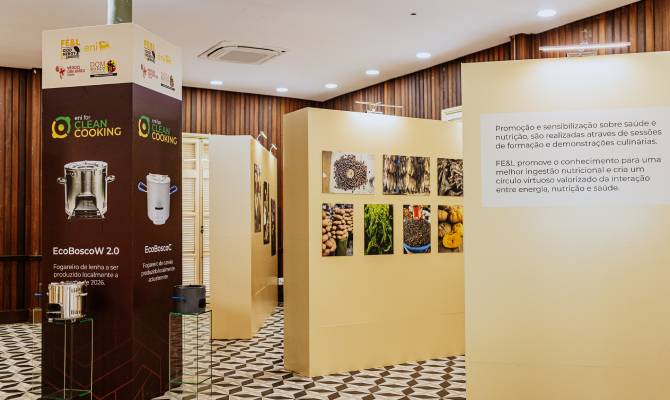
Today, together with our project partners Salesianos de Dom Bosco and ENE, we took part in the inauguration ceremony of Food, Energy & Life (FE&L) organized by Eni and hosted at Palácio de Ferro in Luanda.

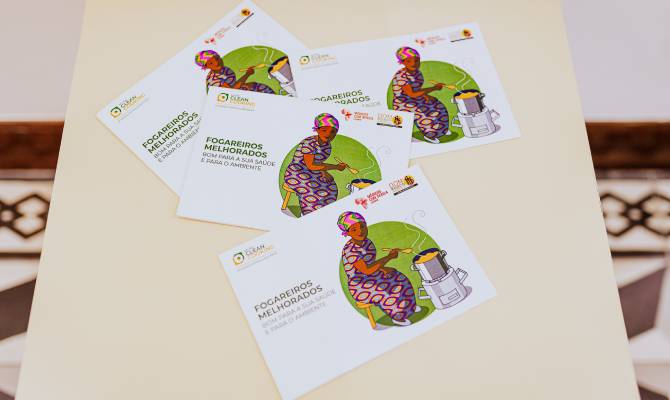
FE&L is the photographic exhibition that portrays an Angola in transition, between culinary traditions and new cooking methods introduced through the Eni for Clean Cooking programme. It is a journey through Angolan society and the ongoing changes that will guide thousands of people toward cleaner and healthier habits.

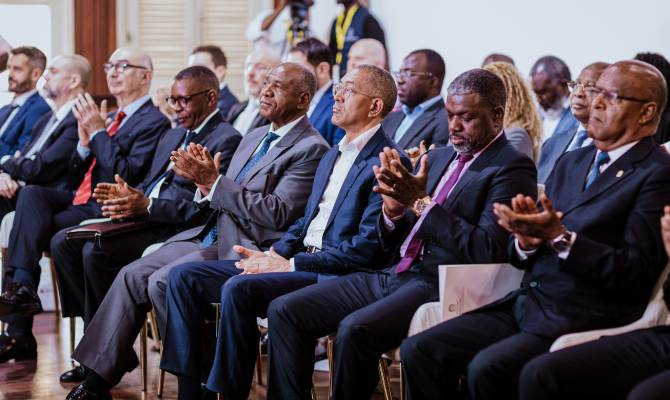
The exhibition was inaugurated by a highly institutional event attended by the Italian Ambassador to Angola, Marco Ricci; the Minister of Mineral Resources, Petroleum and Gas, Diamantino Azevedo; the Secretary of State for Health, Carlos Alberto Pinto de Sousa; and the Secretary of State for the Environment, Yuri Valter de Sousa Santos.

It was an opportunity to discuss the programme, which aims to reduce household pollution and associated health risks, while also contributing to the reduction of biomass emissions. Today, over 80% of the population of Sub-Saharan Africa lacks access to safe and efficient cooking systems. According to the World Health Organization, household air pollution causes around 3.2 million premature deaths every year, particularly among women and children, while the International Energy Agency estimates that collecting biomass for cooking contributes to the loss of 1.3 million hectares of forest annually.

“This initiative aligns perfectly with the national strategic plan and supports our long-term strategy to ensure the well-being of the population, combat poverty and guarantee the human right to food and access to sufficient, healthy and nutritious food,” said the Secretary of State for Health, Carlos Alberto Pinto de Sousa.

As Doctors with Africa CUAMM, we are working on the front lines in the northern province of Uige. At the centre of our efforts are nutrition, hygiene and health, along with an innovative and effective approach: Social and Behavioural Change.

“People want to learn, exchange ideas and be heard. Community activities often last up to three hours, and people stay with us, actively participating. Their involvement reminds us every day why this intervention matters. What we offer is not just awareness-raising activities, but spaces for dialogue where we debunk myths, cultural beliefs and long-established perceptions,” said Nurcia Chiwisa – CUAMM Project Manager and nutritionist.

Through awareness campaigns on food and basic hygiene, the initiative makes it possible to work on nutrition and on preventing health risks linked to inefficient combustion, thus promoting the well-being of families, especially the most vulnerable. As part of the Eni for Clean Cooking programme, implemented in Uige province in collaboration with the Salesianos de Dom Bosco, we have already reached more than 236,000 people through the distribution of over 47,000 improved cookstoves.

“As Doctors with Africa CUAMM, we are very pleased to be part of this large programme, Eni for Clean Cooking. Ten years after our last activities in Uíge province, we have returned with an innovative project in which health — the core of our mission — intersects with fundamental themes such as women’s empowerment, environmental protection and access to energy. It is a truly integrated approach, fully reflecting the CUAMM style and our way of working: close to communities, alongside health authorities and committed to sustainable solutions that can drive development,” said Joaquim Tomas – CUAMM Country Representative in Angola.


Born at 28 Weeks: The Baby Who Defied the Odds in Tanzania

A tiny wren. If we were to depict it, give it shape, it would have Baraka’s long eyes and his round mouth.
Bakara was born at the Tosamaganga hospital in Tanzania. A 28-week preterm baby, “the kind you’re never sure your best efforts will be enough for,” confesses Giulia Guerrini – JPO in pediatrics.

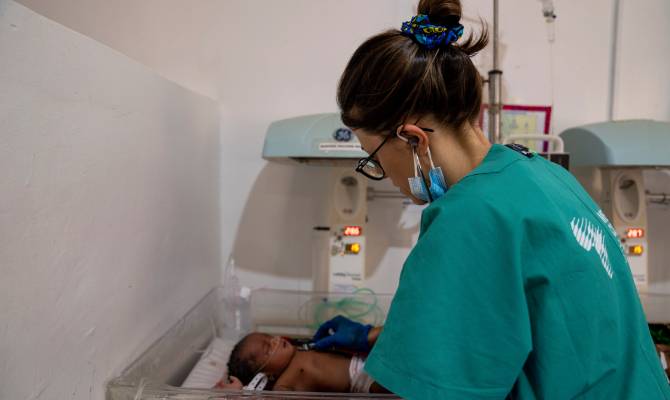
“Below 800 g we know very well that premature babies have very low chances of survival,” says Martina Borellini, CUAMM doctor and head of the Tosamaganga NICU. “Here, at the hospital, we have never taken the ending for granted. In fact, it had never happened before that we were able to discharge a patient born under 800 g.”

Tosamaganga hospital is a secondary-level center, a large facility with a well-equipped neonatal intensive care unit (NICU). Three incubators for the most critical patients, a step-down unit for less severe cases, and two spaces for kangaroo care, the skin-to-skin therapy for mothers and babies. In this NICU, about 700 admissions are recorded each year—an enormous number that reflects widespread health issue. The incidence of preterm births in sub-Saharan Africa is in fact roughly double that of Italy. Geography, unfortunately, also affects mortality: data show that over 90% of extremely premature babies (under 28 weeks) born in low-income countries die within the first days of life, whereas in high-income countries the mortality rate is below 10% (WHO, 2023).

Contributing factors include nutritional, environmental, infectious, and genetic conditions, but another important aspect to highlight is access to prenatal care.

“The literature shows us that if a woman carefully and consistently follows her monitoring appointments throughout pregnancy, and if she is followed by a professional midwife who knows her medical history, the risk of preterm birth can be greatly reduced,” says Martina Borellini.

Damalis, Bakara’s mother, faced many risks. Five pregnancies, five hopes, five expectations that for her had ended in five losses. Damalis has a uterine malformation that had never allowed her to carry a pregnancy to term.

“A bicornuate uterus is a condition unfortunately associated with a very high likelihood of obstetric complications, first among them miscarriage. Because of the shape of the uterus, it is difficult for the fetus to grow and develop fully,” explains Giulia Guerrini.

Despite fears and risks little Bakara left Tosamaganga hospital more than two months after birth, —a period marked by careful medical care and extraordinary dedication by his mother.

“It’s hard to say what made the difference,” says Martina Borellini. “Cases like Bakara’s are extremely rare. Probably a combination of factors: the baby’s gestational age, the fact that he was born in a well-equipped hospital, and the early start of kangaroo care from his very first moments of life.”

An unexpected and astonishing ending. A happy ending that, on World Prematurity Day, reminds us all of the importance of promoting access to healthcare and guaranteeing quality care before, during, and after childbirth for the well-being of mothers and children.

Reversing diabetes diagnosis not a death sentence

“I was 45 when I received the diagnosis.
I remember the shock so vividly—it felt as though my whole world was collapsing, as if life as I knew it would never be the same. I prayed, and I cried. Then I faced reality, asked questions, and tried to understand how I could live with diabetes. Today, I want everyone to know that prevention truly saves lives, and that with diseases like diabetes, traditional medicine is not the answer.”

Rodolfo is an adult man whose life changed dramatically after his type 2 diabetes diagnosis—a diagnosis that ultimately saved him, but also cost him a leg and forced him to abandon his work in construction. Now, in Beira, Mozambique, he dedicates his time to helping others “so that no one has to face the diagnosis with the fear I felt a year ago,” he says.

Roughly 830 million people around the world live with diabetes, most of them in low- and middle-income countries. More than half receive no treatment at all.

In the WHO Africa Region, over 24 million adults aged 20 to 79 live with diabetes—a number expected to more than double to 60 million by 2050. Nearly half remain undiagnosed, silently facing escalating risks of severe complications, disability, and premature death. Over time, diabetes can damage the heart, kidneys, eyes, and nerves, with profound consequences for individuals, families, and communities (WHO, 2025).

If this trend is not reversed, it will overwhelm health systems, strain national economies, and erode hard-won development gains. While a diagnosis is no longer a life sentence and living with diabetes is increasingly possible, access to care and the ability to manage a chronic condition remain major challenges in the settings where we work.

In Mozambique, with financial support from the Italian Cooperation and in partnership with ACAP Sant’Egidio and AIFO, CUAMM is working across the provinces of Sofala, Zambézia and Maputo to reduce morbidity, mortality, and disability linked to non-communicable diseases, including diabetes. By supporting both hospitals and primary health centres—and maintaining a strong presence within communities—we strive to reduce risk factors, improve access to quality health services, and strengthen disease surveillance.

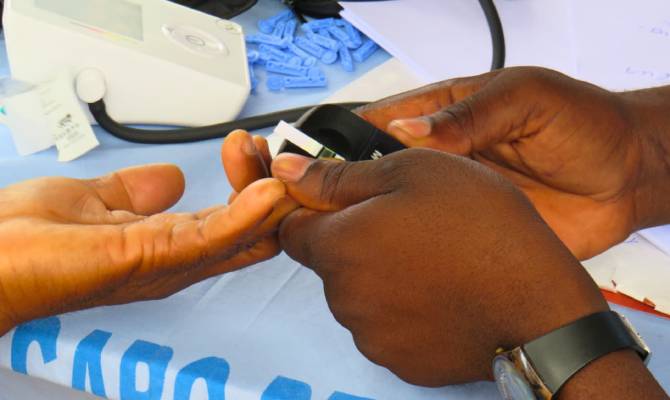
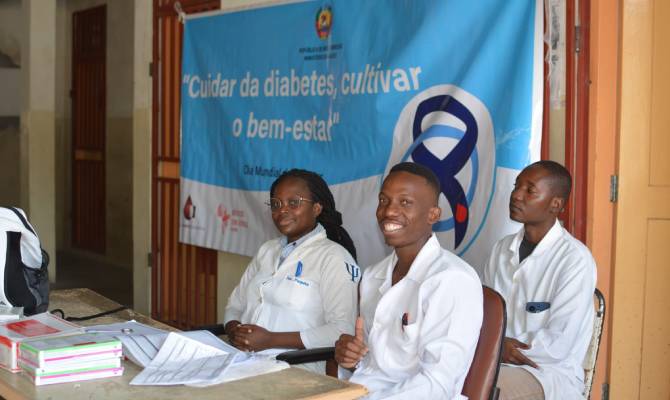
For World Diabetes Day, we engaged communities and local authorities in these three provinces, as well as in the northern province of Cabo Delgado, where an official ceremony was held in the city of Pemba with institutional representatives in attendance. On this occasion, CUAMM in partnership with UNFPA participated in a health fair offering essential services to the population.

Training future health professionals An Innovative Health Project in Sierra Leone

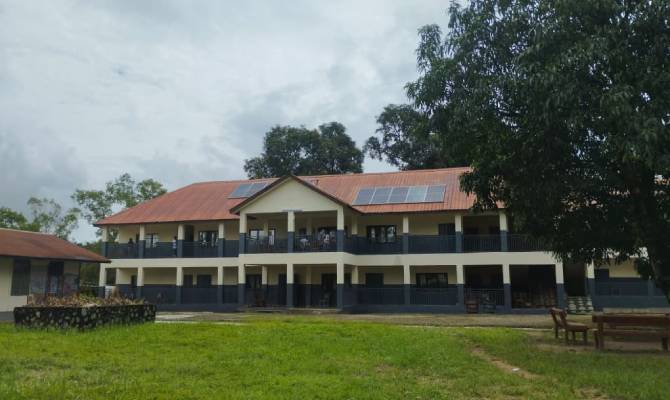
An innovative project in Sierra Leone aims to fill a major gap in the national health system: the training of qualified professionals essential for ensuring quality care. The S.K.I.L.L.E.D. project, promoted by Doctors with Africa CUAMM in collaboration with the Italian Agency for Development Cooperation, involves the University of Makeni (UniMak)—one of the country’s most respected institutions—and the University of Bologna as direct partners, along with the Department of Anesthesia and Intensive Care at Connaught Hospital, Saint Mary’s Home of Charity, and the Joseph Berton Technical and Vocational Institute. A joint effort to pave the way for long-lasting training model that aims to bring concrete change.

“For the country, this direct collaboration between universities, the Ministry of Health, and the Ministry of Labour is a major innovation, with the goal of developing an offer that responds to the demand for specialized health-sector profiles,” explains Maria Valla, CUAMM’s Project Manager. “We have done this in other countries before, but here it represents a significant step because it allows us to build solid skills that are nationally recognized.”

The University of Bologna will contribute to the creation of a degree program for biomedical technicians—a professional figure that currently does not exist at all in Sierra Leone, where the maintenance of medical equipment is often entrusted to technicians without specific training.

“The goal,” Maria explains, “is to create a program that combines engineering and medical knowledge, and that can be replicated in other universities as well.”

The project has been designed and developed in collaboration with the national Ministry of Health to identify the most urgent professional gaps. It includes six training programs, some of which are the first and only one available in the country: Radiology Technician and Autoclave Technician, specializing in the sterilization of surgical instruments.

In addition, existing programs will be strengthened including laboratory technicians, health data analysts (to improve digitalization), physiotherapists, and community health officers—an intermediate role between doctor and nurse.

Over the next three years, an overall number of 240 students will benefit from the courses. To ensure fair access to the program, scholarships will be offered to young disadvantaged candidates.

In October, Professor Stefano Severi from the University of Bologna visited the University of Makeni to study the individual curricula in detail and better understand the needs the project aims to address.

“The interest shown by our academic partners, particularly Professor Severi from the University of Bologna, has been remarkable,” Maria concludes. “They understood the urgency of responding to the real needs of the health system and UniMak’s determination to contribute to meaningful change.”

Tigray CUAMM Renovates Suhul Hospital’s Neonatal Intensive Care Unit

A completely renovated neonatal unit — with new spaces and equipment — now offers safe, high-quality care to the smallest patients in Tigray, a region severely affected by years of conflict.
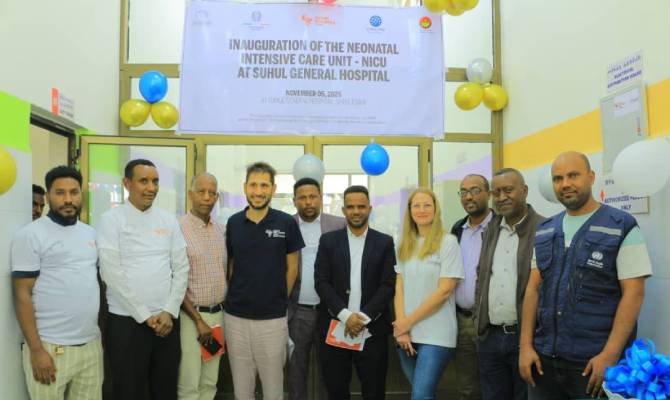
The new ward was inaugurated last week at Suhul Hospital in Shire, in the presence of representatives from the Tigray Regional Health Bureau (RHB), UN agencies, local and municipal authorities, partner organizations, and the hospital team.

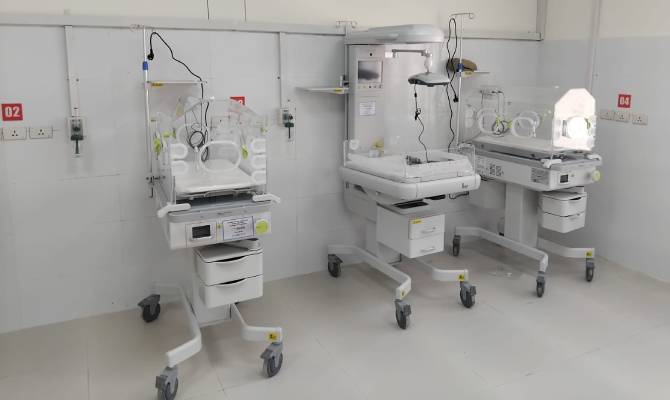
Today, Suhul Hospital looks very different: a modern, fully equipped neonatal intensive care unit ensures life-saving treatment for premature and critically ill newborns. The refurbished spaces also provide a safer, cleaner, and more efficient working environment for doctors and nurses.

“I’m very excited to be part of this inauguration,” said Mr. Ermias Guash, CEO of the General Hospital. “We are honored to have been provided with a fully renovated and modern facility that will help address the root causes of neonatal health service challenges and ensure the availability of essential medical equipment. CUAMM’s support goes far beyond supplying medicines and materials—it has truly transformed our capacity to care for patients.”

This important achievement was made possible thanks to the collaboration with the Tigray Health Bureau and local health authorities, and with the financial support of the Italian Cooperation. The initiative contributes to the Sustainable Development Goals, particularly the improvement of maternal and child health, which Ethiopia is pursuing through the strengthening and expansion of health services even in remote and crisis-affected areas.

“CUAMM has been deeply committed to supporting healthcare in Ethiopia, particularly here in the Tigray region, in Shire and its surrounding areas,” said Riccardo Lazzaro – Doctors with Africa CUAMM Health Coordinator. “Through the Strengthening Neonatology in Ethiopia project, we have contributed over 29 million birr to enhance the neonatal intensive care unit of this hospital. Our support will continue as we work to complete the ongoing projects at Suhul and Indabaguna hospitals.”

The challenges remain immense. During the two-year conflict, which ended only in November 2022, most health facilities in Tigray were looted, vandalized, or destroyed, and healthcare services severely weakened by the loss of personnel and resources.
The city of Shire, in the North Western Zone, was among the hardest hit. Today, only one in three hospitals in the area is fully operational. Suhul Hospital serves as a vital referral center for more than two million people, in a zone that also hosts around 400,000 internally displaced families (IOM, June 2023).

“Suhul Hospital is the region’s second-largest in both services and staff. I encourage all partners to sustain this collaboration to advance healthcare quality and the well-being of our people.” Said Dr. Simon Gebretsadik – Deputy Head of Tigray Regional Health Bureau during the ceremony.

The renovated Nicu at Suhul Hospital equipped with a wall-mounted oxygen system.

Among the most requested services are maternal and newborn care. Every day, the hospital registers an average of 17–20 deliveries, including about three cesarean sections. Ensuring quality care is therefore essential to reduce neonatal and infant mortality.
Thanks to the renovated neonatal unit, the hospital can now care for babies born after 32 weeks of gestation and weighing more than 1.5 kg, in line with the national health guidelines.

“Thanks to this intervention, the hospital has improved its procedures, expanded access to care, and can now provide modern, high-quality services” stated Dr. Tewelede Gebre Selasie, Director of Suhul Hospital.

During the inauguration ceremony, the Mayor of Shire also expressed their gratitude to civil society, the hospital’s dedicated staff, and all the healthcare workers who have continued to serve their communities despite the difficult circumstances.

The renovation of the neonatal unit marks the first major rehabilitation at Suhul Hospital under the ongoing health system strengthening program — a crucial step forward to improve health infrastructure in the region, strengthen maternal and child health services, and ensure accessible, dignified care for all.


Addressing the refugee crisis in Gambella

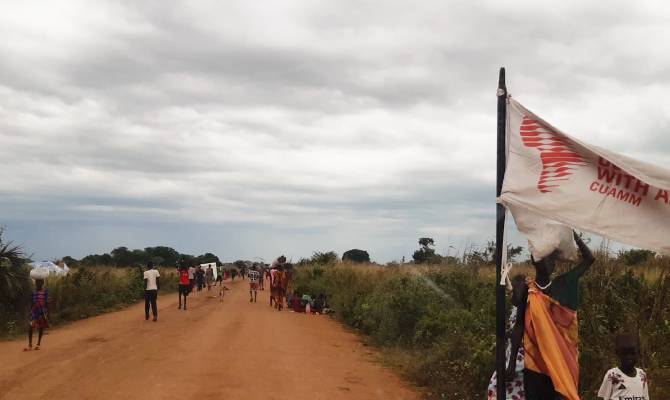
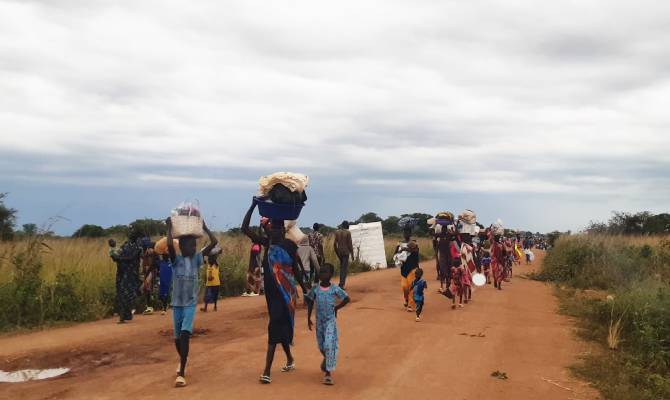
Along the road between Muon and Gade, in Wantawo District, hundreds of people walk under the sun carrying what little they own. Most are South Sudanese refugees who have recently crossed into Ethiopia. According to estimates, some 50,000 to 70,000 people have recently fled conflict and hunger.

We follow them as they move toward Gade, where a registration point has been established. Being registered is essential for refugees to be relocated to camps and to access basic services, including health care. As of 5 October, 20,550 refugees have been registered, 14,477 refugees currently reside in Luakdong camp while remaining refugees are living in overcrowded or adverse conditions in Muon, Matar and Gade.

“In response to the recent surge of emergency arrivals from South Sudan, CUAMM has expanded its work to the northwest, launching an emergency intervention in Wantawo District. We are currently adddressing the first and most urgent needs in Gade and Moun and will soon move our intervention to Loak Dong camp. From the very first hours, we have been working alongside local health authorities and international partners to ensure refugees have rapid access to life-saving health services.” said Luisa Gatta, CUAMM Country Manager.

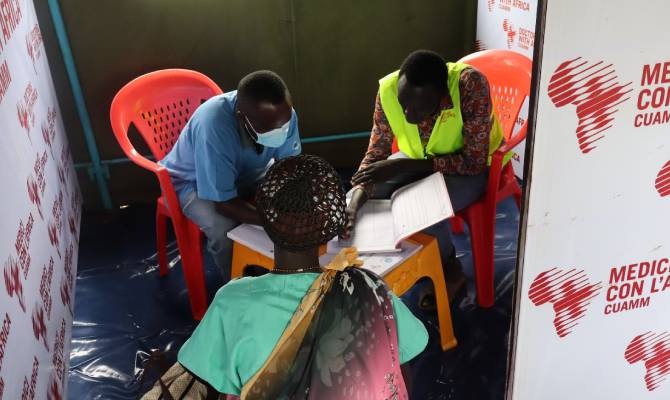
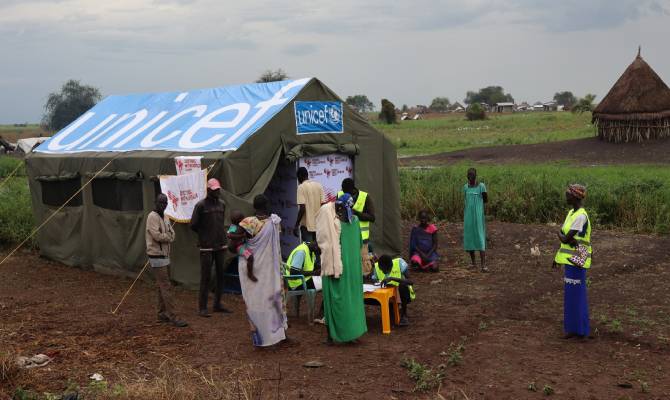
From Monday to Saturday, two CUAMM mobile health teams travel between Gade and Muon to provide essential health services. The teams include health officers, nurses, a midwife, a pharmacist, and a project officer, supported by community outreach agents — South Sudanese refugees themselves — who play a vital role in connecting the community with the services provided.

The services offered include outpatient consultations, treatment for children under five, and antenatal care for pregnant women. On their very first day of service, 250 people, including 80 children, received medical assistance from CUAMM’s teams. Since most of the new arrivals are women and children, maternal health care and nutritional support have become urgent priorities in the Gambella region.

“Ensuring that health services are available where needs are greatest is vital,” explained Luisa Gatta. “Many people in distress have no means of accessing care elsewhere, as they simply cannot afford the cost of an ambulance ride to Gambella Hospital.”

The Nyinenyang Primary Hospital is the main referral facility in the area, yet it lacks even the most basic infrastructure: no running water, no operating theatre, and no blood bank. Oxygen and fuel for the generator and ambulances must be supplied from Gambella, about four hours away.

There is also no formal referral system between the two facilities, meaning patients must pay for transport themselves — an impossible cost for most families arriving with nothing.

“The gap between resources and needs is widening. We must foster new partnerships and mobilize greater support to ensure that no one is left behind,” stressed Giuseppe Valerio, CUAMM Regional Partnership and Advocacy Manager.

Ethiopia currently hosts more than 1.1 million refugees, one of the largest refugee populations in the world. Displaced families are crowded into makeshift shelters with inadequate sanitation, poor nutrition, and limited medical care—creating a perfect storm of vulnerability and heightened risk of disease and death.

At the same time, the country is grappling with multiple, overlapping crises: cholera, measles, and malaria outbreaks, alongside relentless conflict that continues to erode the public health system. Entire communities remain cut off in hard-to-reach areas with little to no humanitarian access, leaving them in desperate need of life-saving assistance. These challenges are compounded by soaring malnutrition rates, driven by severe food insecurity.

As humanitarian needs continue to rise, international funding has dropped to critically low levels. Despite CUAMM’s sustained efforts, the needs remain immense. More medicines, medical supplies, and trained health professionals are urgently required to strengthen the response and improve service delivery.

While CUAMM’s mobile health teams provide timely access to primary care in remote areas, reinforcing local health facilities remains crucial to ensure the quality, continuity, and sustainability of care.


DONATE TO SUPPORT THE EMERGENCY RESPONSE

Honorary PhD awarded to father Dante Carraro

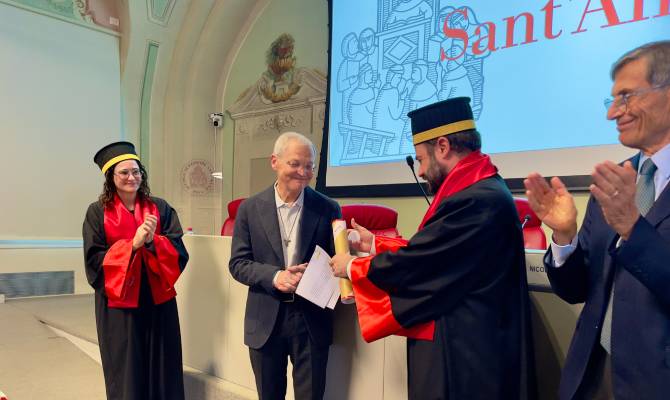
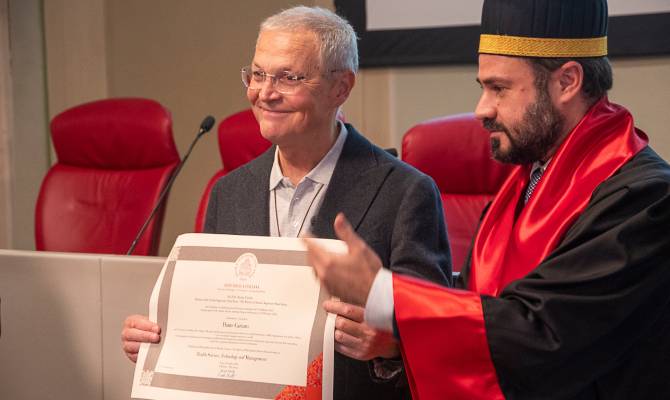
On Thursday, 30 October, the Sant’Anna School of Advanced Studies in Pisa awarded an honorary PhD in Health Science, Technology and Management to father Dante Carraro, Director General of Doctors with Africa CUAMM.

A recognition “to father Dante’s lifelong dedication to international health cooperation and his tireless commitment to improving access to quality healthcare for the most vulnerable communities in Africa” stated the Sant’Anna School.

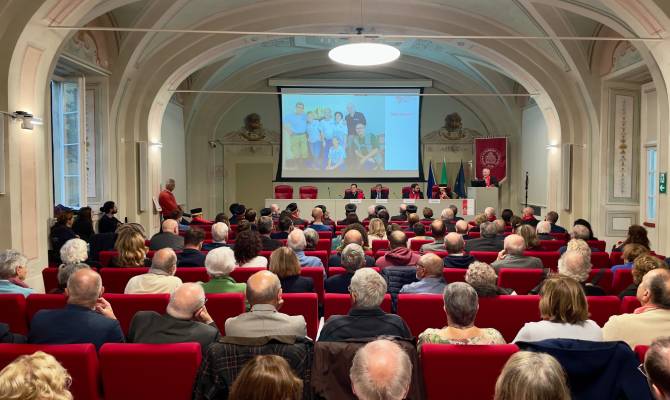
Among those attending the ceremony were Nicola Vitiello, Dean of the Sant’Anna School; Prof. Michele Emdin, Coordinator of the Interdisciplinary Research Centre for Health Science; Prof. Milena Vainieri, Coordinator of the PhD programme in Health Science, Technology and Management; and Prof. Alberto Mantovani, President of the Humanitas Research Foundation, together with hundreds of guests, including representatives from Doctors with Africa CUAMM.

The event was opened by Prof. Michele Emdin, Coordinator of the Interdisciplinary Research Centre for Health Science at the Sant’Anna School, who welcomed participants and highlighted the valuable collaboration between CUAMM and the School. This partnership, active for several years, has fostered numerous initiatives within the Africa Connect project — an initiative aimed at promoting the inclusive and sustainable development of the continent’s vast potential.

“Today we are granting this recognition because father Dante Carraro is the best example for our PhD students and our young people. We want great scientists — individuals who strive to push beyond the limits of knowledge — but we also want people who embody positive values and who truly wish to make a contribution toward improving the world.” Said Nicola Vitiello – Dean of Sant’Anna School.

The reasons for the award were later outlined by Prof.ssa Milena Vainieri – Coordinator of the PhD in Health Science, Technology and Management, who recalled CUAMM’s long-standing commitment to training and academic research, particularly in Mozambique, where — in collaboration with the University of Padua — we launched a Master’s programme in paediatric and neonatal emergencies for Mozambican doctors, paediatricians, nurses and midwives. She also highlighted CUAMM’s scientific contribution, with more than 200 research papers published on topics including maternal and child health, infectious and tropical diseases, nutrition, and universal health coverage.

The ceremony also included a laudatio by Prof. Alberto Mantovani, President of the Humanitas Research Foundation.

“By delivering this laudatio for Father Dante Carraro today, I am also celebrating Doctors with Africa CUAMM as a whole, and I wish to place the emphasis on that small yet powerful preposition ‘with.’ With means choosing to stand with the most vulnerable, choosing to remain even when it would be logical and reasonable to withdraw. With also means nurturing the minds and hearts of young Africans who represent the hope of the continent; it means doing research together; it means that an old professor goes and learns from what he sees — from young Africans, from their enthusiasm and intelligence, from their questions, and from the CUAMM workers. With also means that today we see many people stepping onto the stage alongside Father Dante to receive this honor — people who, in different roles, walk with him and with Doctors with Africa CUAMM, including the many young Italians and Africans who are his, and our, hope.”

Father Dante Carraro’s Lectio Magistralis, titled “Operational Research and Frugal Innovation: With Africa, for Everyone’s Future,” concluded the event. His lecture was a tribute to CUAMM’s 70-year commitment to promoting health equity and ensuring access to healthcare for all through research, fieldwork, and collaboration.

“This recognition is above all for the many African colleagues who, with very few resources, but with great tenacity and resilience, continue to do their part for their communities. It is they who, despite wars and conflicts, despite cuts and abandonment by the great powers, resist with courage and without fear, cultivating confidence in the future. It is alongside them, “with Africa”, that we at CUAMM walk and strive to find solutions and answers, with professionalism and competence, because we are deeply convinced that medicine for the poor should not be poor medicine,” claimed father Dante Carraro.

This honour not only celebrates our Director General but also stands as a profound recognition of the dedication of every member of our organisation — from headquarters to field offices, together with our partners and collaborators who share our vision, mission, and values, and who work tirelessly every day with Africa, not for Africa.

Mozambique Turns Pink for Women’s Health

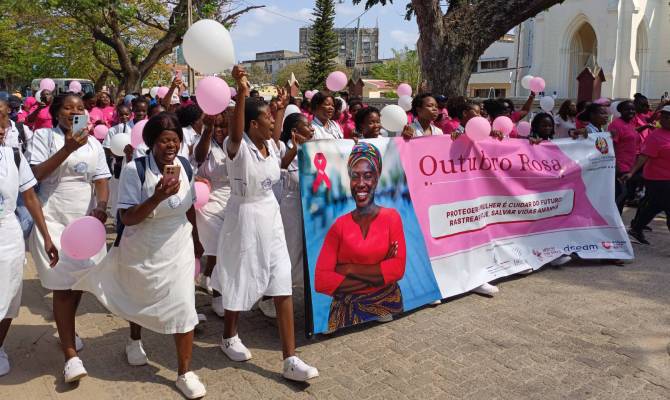
This past weekend, Mozambique was awash in shades of pink as CUAMM teams in the provinces of Zambézia and Sofala joined the world in celebrating Outubro Rosa – Pink October, the annual campaign dedicated to raising awareness about breast and cervical cancer.

Under the theme “Protecting women is caring for the future: screen today, save lives tomorrow!”, communities came together to promote prevention, early diagnosis, and women’s well-being through two vibrant days of activity.

In Quelimane, Zambezia province, the Provincial Health Department led a celebration hosted at Licungo University, where participants—including students, teachers, and health professionals—engaged in open discussions about risk factors, warning signs, prevention, and treatment pathways.

The event was attended by high-level representatives, including the First Ladies of the Province and District, university leaders, and local health authorities. The day featured educational talks on cervical and breast cancer, led by qualified health experts, alongside cultural performances by the Nhambaro group, exhibitions of local health services, and closing remarks from the Provincial First Lady, who underscored the importance of prevention as a collective responsibility.

Meanwhile, in Beira, a pink wave of energy filled the streets as women and men marched together towards a large health fair held at the city’s sports pavilion. The event combined aerobics sessions, free screenings, theatre performances, and community dialogues, turning awareness into action.

These activities were part of the noncommunicable diseases (NCDs) project, led by CUAMM in partnership with AIFO and ACAP – Sant’Egidio, and supported by the Italian Agency for Development Cooperation (AICS).

Prevention is at the heart of this new initiative, which builds on the experience developed with the support of AICS and aims to consolidate the progress achieved while expanding its impact across the provinces of Maputo, Sofala, and Zambezia. The intervention seeks to strengthen the Mozambican health system’s response to non-communicable diseases (NCDs) – such as hypertension, diabetes, and cervical cancer – which are among the leading causes of morbidity, disability, and mortality in the country.

This renewed commitment now involves 20 health units, including 14 that were already part of the previous phase and 6 newly added ones, along with three referral hospitals responsible for managing the most complex cases. The activities focus on improving access to quality prevention, diagnosis, and treatment services by enhancing human and material resources, reducing architectural barriers, and ensuring continuity of care. At the same time, the project will strengthen the capacity of the Mozambican Ministry of Health (MISAU) in epidemiological surveillance and NCD monitoring, contributing to better data collection and use to inform national health policies.

Pink October underscores the vital importance of prevention and early detection in the fight against breast and cervical cancer, as they greatly increase the chances of a successful and complete recovery. By raising awareness of risk factors, encouraging regular screenings such as mammograms, and fostering open conversations that break down fear and stigma, we can empower individuals to take charge of their health. These efforts are especially critical in vulnerable and resource-limited settings, where access to timely care can make the difference between life and loss.

Determination Beyond Distance ensuring nutrition care in Tanzania

Mobile clinics are designed to bring healthcare to the hardest-to-reach areas, serving people who too often have little or no access to essential services. They work tirelessly, in all conditions, reaching remote villages like the one where Amaira lives, in Kongwa District, Tanzania.

When our team screened her, the MUAC (Mid-Upper Arm Circumference) measured only 4.3 inches. Amaira, just four years old and weighing only 19.8 lb, had the measurements of a one-year-old child. Her condition was alarming, and the team immediately referred her to the nearest health facility: Mlali Health Centre, where nutrition treatment is available.

But Mlali is 18 miles away. Amaira’s grandmother—her sole caregiver, without any income—could not afford transport. Yet she knew this journey might save her granddaughter’s life. Carrying Amaira on her back, she walked the entire way to Mlali Health Centre to get the care the child so desperately needed.

At the facility, Amaira was enrolled in the Outpatient Therapeutic Care (OTC) program and prescribed Plumpy’Nut, a ready-to-use therapeutic food (RUTF) vital for recovery from severe malnutrition. After just one week, Amaira began to improve: her appetite returned, her weight started to increase, and her energy came back.

Once stable, she was allowed to return home. But the treatment required weekly follow-ups and Plumpy’Nut refills—a 36-mile round trip her grandmother could only cover on foot. Eventually, she missed several visits, and Amaira’s treatment was disrupted.

Recognizing the high risk of treatment default, health workers at Mlali Health Centre joined forces with Community Health Workers (CHWs), Tubugwe Juu Dispensary, and village authorities. Together, they arranged weekly monitoring and ensured that Plumpy’Nut could be distributed locally by a health worker based in Tubugwe Juu. Thanks to this solution, Amaira was brought back into treatment.

With her grandmother’s perseverance and the dedication of the health team, supported by the Italian Agency for Development Cooperation and Fondazione Zanetti, Amaira fully recovered from severe malnutrition. Today, she is healthy and active.

Amaira’s story is a powerful reminder of the impact of community-based health solutions and the importance of making life-saving services accessible to all. With stronger integration between health facilities and community structures, more children like Amaira can survive, recover, and thrive.