“It wasn’t a vocation, nor was it something I had dreamed of pursuing throughout my years of education and training. I would say that I somehow found my way into this job. Today, however, I’m happy I did. The impact we make in the communities we work with reminds me every day that it is all worthwhile.”
These are the words Martinho, CUAMM Project Manager in Angola pronounced in our interview. We reached him by phone on a day dedicated to planning activities and administrative work. These are perhaps the least visible aspects of his job: the hours spent at his desk in the Moçâmedes office, working on project plans, organising meetings and following up on documentation.
But as soon as he steps outside the office, his work takes on a different shape.
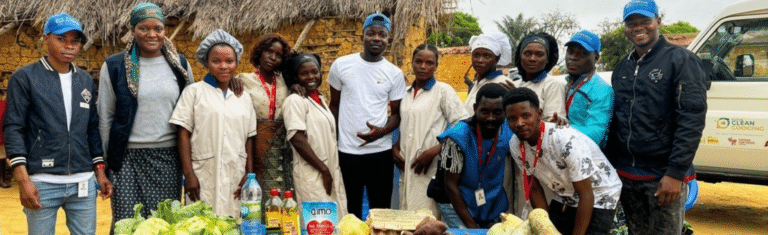
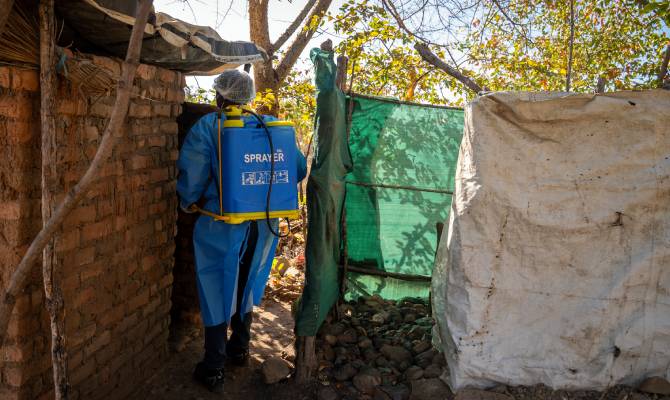
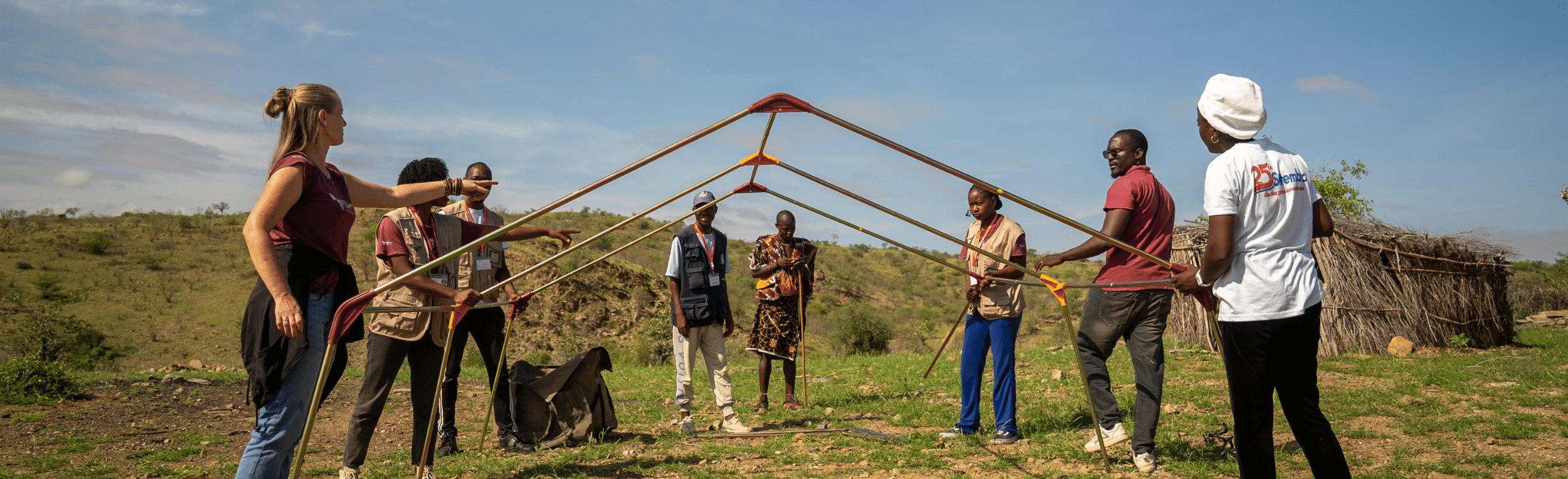
There are mobile clinics to set up, training sessions to plan and activities with communities to organise. Then there are meetings with local health authorities, discussions with partners and a team to coordinate. A significant part of his work, in other words, is about bringing together people, skills and different perspectives.
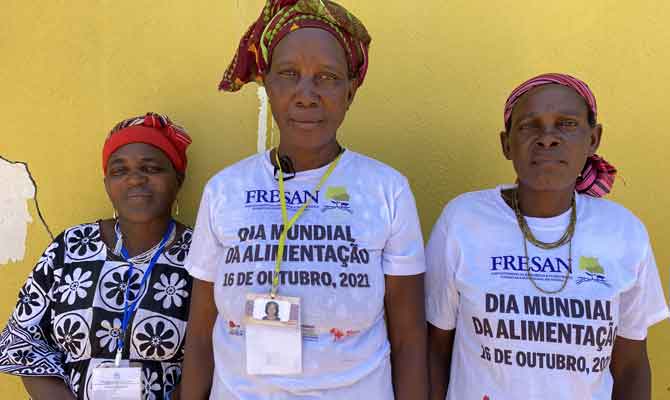
Martinho has been living in Namibe for several years. He grew up in Benguela, where he was exposed to social initiatives from an early age. It was here, in Namibe, that he took his first steps into international cooperation: first working within the FRESAN programme, then joining the CUAMM team as a Project Assistant and gradually taking on greater responsibilities.
“Being a Project Manager means overseeing every aspect of a project, from planning to implementation. And that’s exactly what I enjoy: putting into practice what, until recently, was only theory.”
Today, there is little theory in Martinho’s day-to-day work. Instead, there is a constant need to make decisions, find solutions and adapt plans to ever-changing contexts. And, above all, to work together.
“Working with others means creating spaces for exchange and discussion. It means growing together, bringing different skills together and learning from one another. At the same time, it means being flexible, meeting each other halfway, listening to and embracing different needs and perspectives. And that’s not always easy.”
Perhaps this is one of the greatest challenges of his job: not arriving with ready-made answers, but finding solutions together with the people and organisations he works alongside.
When we ask him what he thinks it takes to do this job well, Martinho pauses for a moment. Then he answers:
“You need to know how to navigate differences and be creative, finding new ways of doing things every time.”
A simple statement that captures what working in international cooperation is all about: having a project to deliver, while understanding that the way to achieve it is never quite the same. Because every context is different, every community has its own needs, and every partnership requires listening, flexibility and the ability to learn along the way.