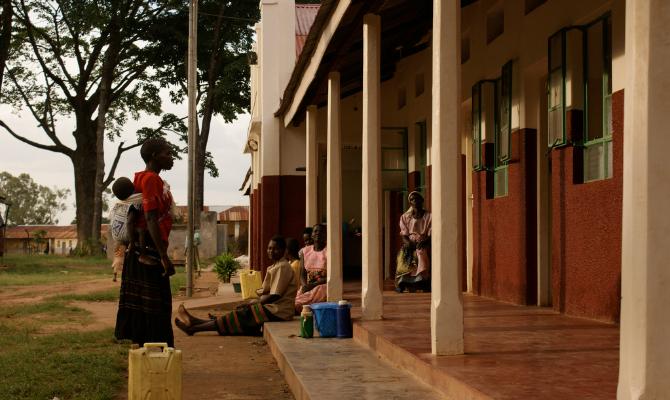
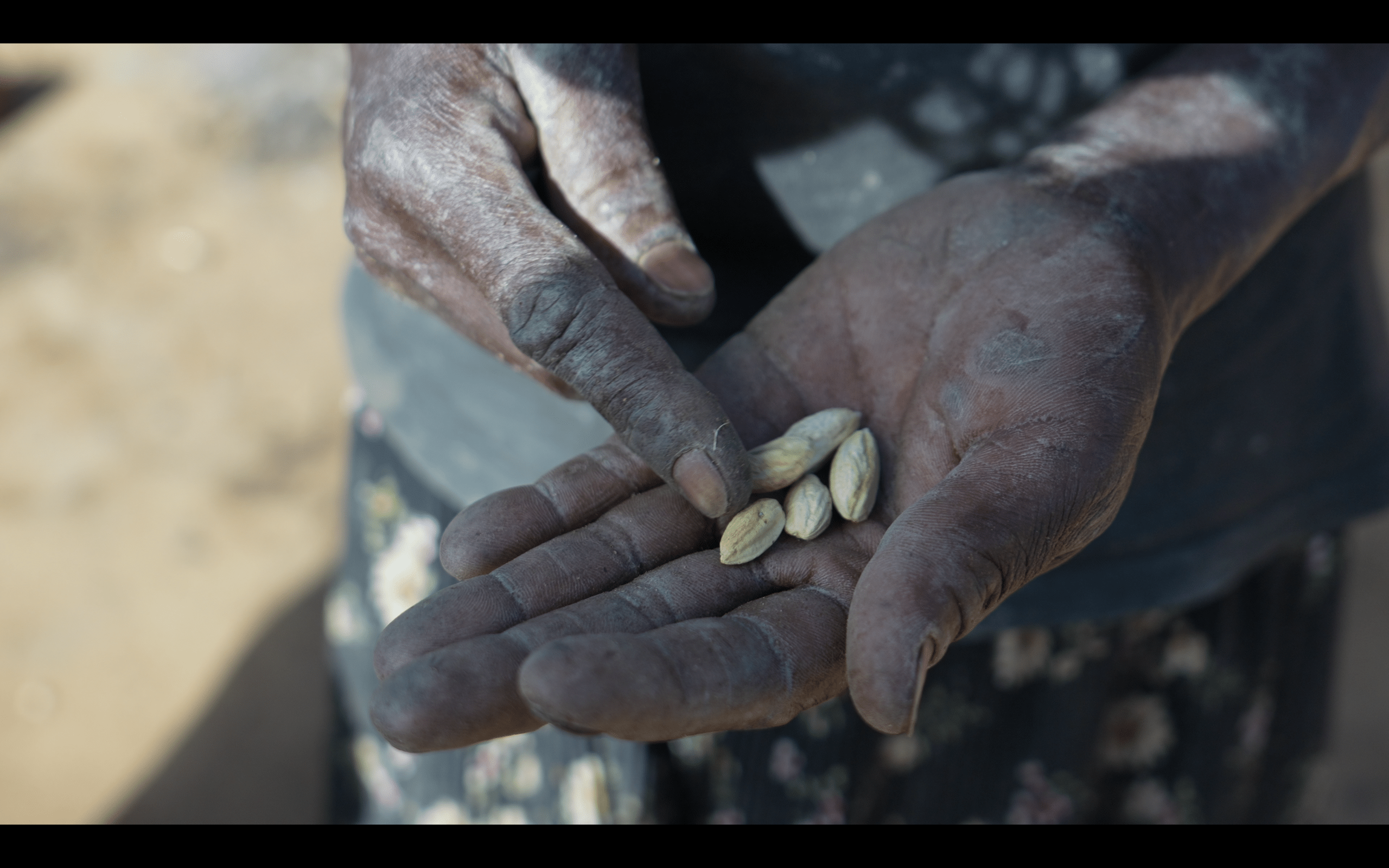
In Karamoja, northeastern Uganda, months of drought have severely affected crops. The situation, already marked by poverty and malnutrition, has now become critical.
According to the latest analysis by the Integrated Food Security Phase Classification (IPC), 473,000 people, representing 32% of Karamoja’s population, are currently experiencing acute food insecurity (IPC Phase 3 or above). Of these, 41,000 people are facing Emergency levels of food insecurity (IPC Phase 4) and require immediate assistance. At the same time, an estimated 122,100 children under the age of five will suffer from acute malnutrition in 2026, including more than 30,000 who will experience severe acute malnutrition. In addition, approximately 8,000 pregnant and breastfeeding women are in urgent need of nutritional care.
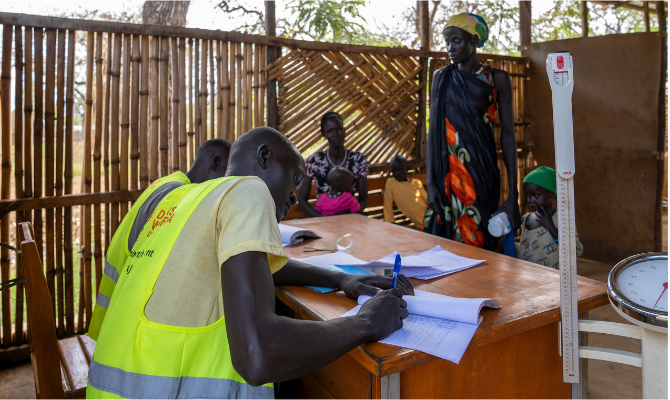
We have been working in Karamoja for more than twenty years. Today, in the face of this new emergency, we feel more strongly than ever our responsibility to stand alongside the most vulnerable communities. Our team are strengthening efforts to provide nutritional care for children suffering from severe acute malnutrition, support mothers through antenatal care services, help families identify and address the most serious cases as early as possible and link families to food assistance programmes supported by the Ugandan Government, the World Food Programme and the United Nations.
Once again, this crisis reminds us that hunger is not a fate, but the result of conditions that can be changed when we work together – from the effects of the climate crisis to poverty and the fragility of agricultural systems. We continue our work in close coordination with local authorities, the Ministry of Health, United Nations agencies and other partners on the ground, with the aim of saving lives today while strengthening the resilience of communities in the medium and long term. However, additional resources remain essential to ensure that no child or mother is left without the care and support they need during this critical time.