Tanzania
Tanzania is a country in Sub-Saharan Africa with over 65 million inhabitants, roughly three times the size of Italy. Despite economic growth and political stability, it still ranks 167th out of 191 countries on the Human Development Index.
Strengthening healthcare at community level
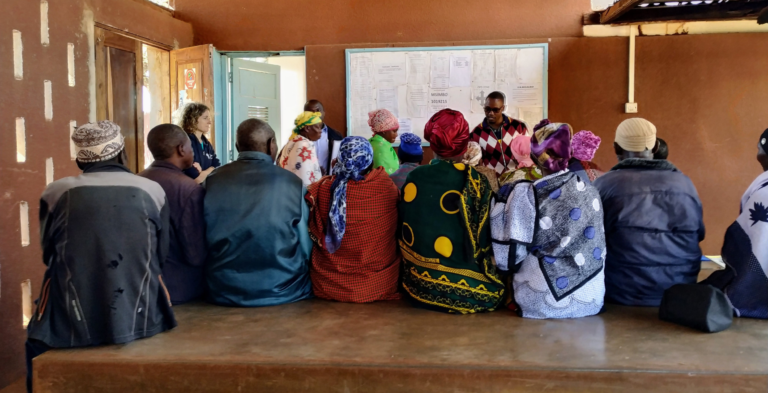
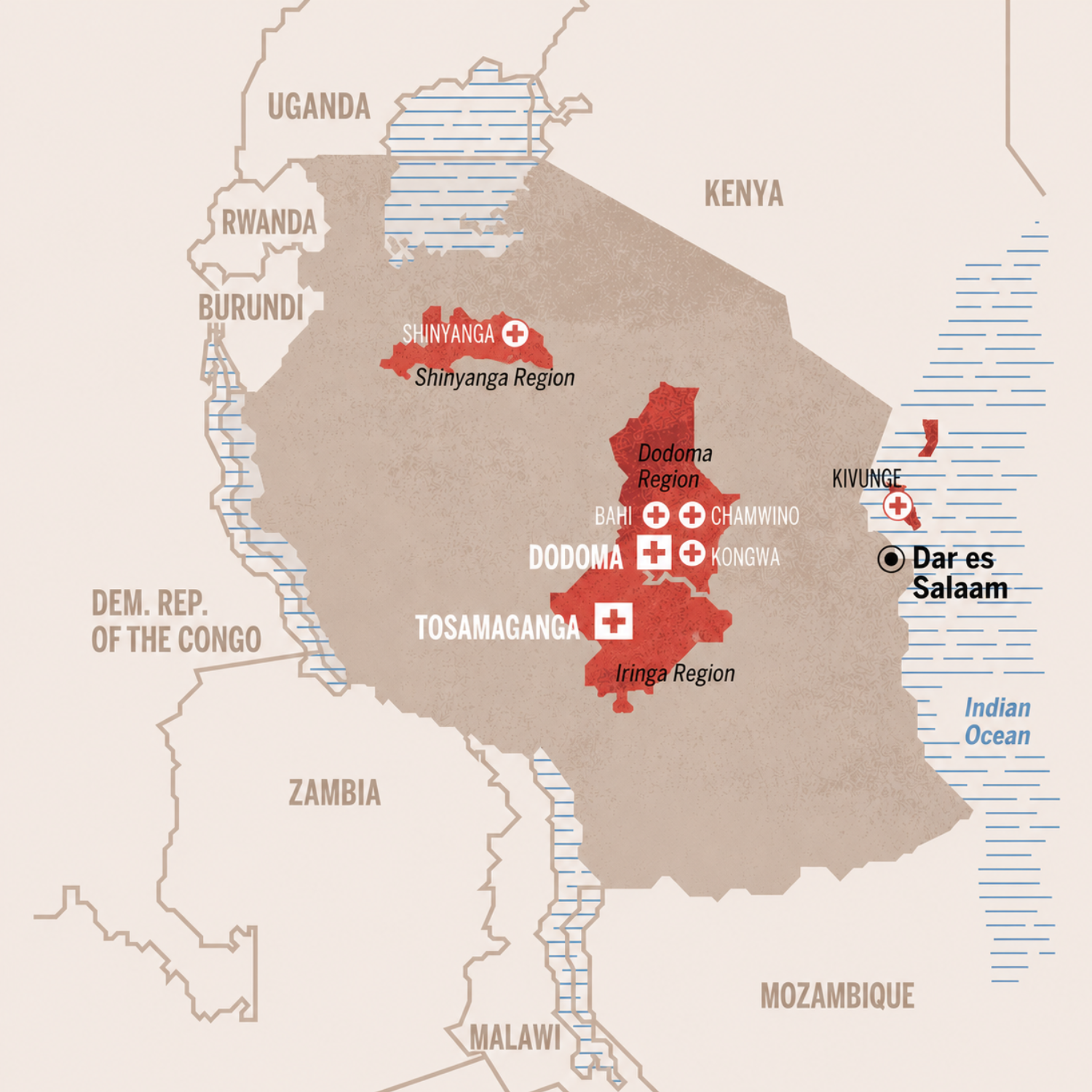
In Tanzania, at the heart of our work is support for the health of the most vulnerable, starting from hospitals. In the Iringa region, in the center of the country, we are present at Tosamaganga Hospital and in 9 health centers, where we support the strengthening of maternal and child health services and community-based work, in close dialogue with local communities.
Our efforts also extend to the Dodoma region, where we support 4 hospitals—including the main regional hospital—and 11 health centers, contributing to improved access to care in a strategic area of the country. In the north, in the Shinyanga region, we are present at the regional hospital and in four health centers, while in the neighboring Simiyu region we work in 2 hospitals and 1 health center.
This widespread effort places facilities at its core, but above all people, with the aim of strengthening local health systems that are more accessible, equitable, and capable of responding to the real needs of communities.
Supporting mothers and children
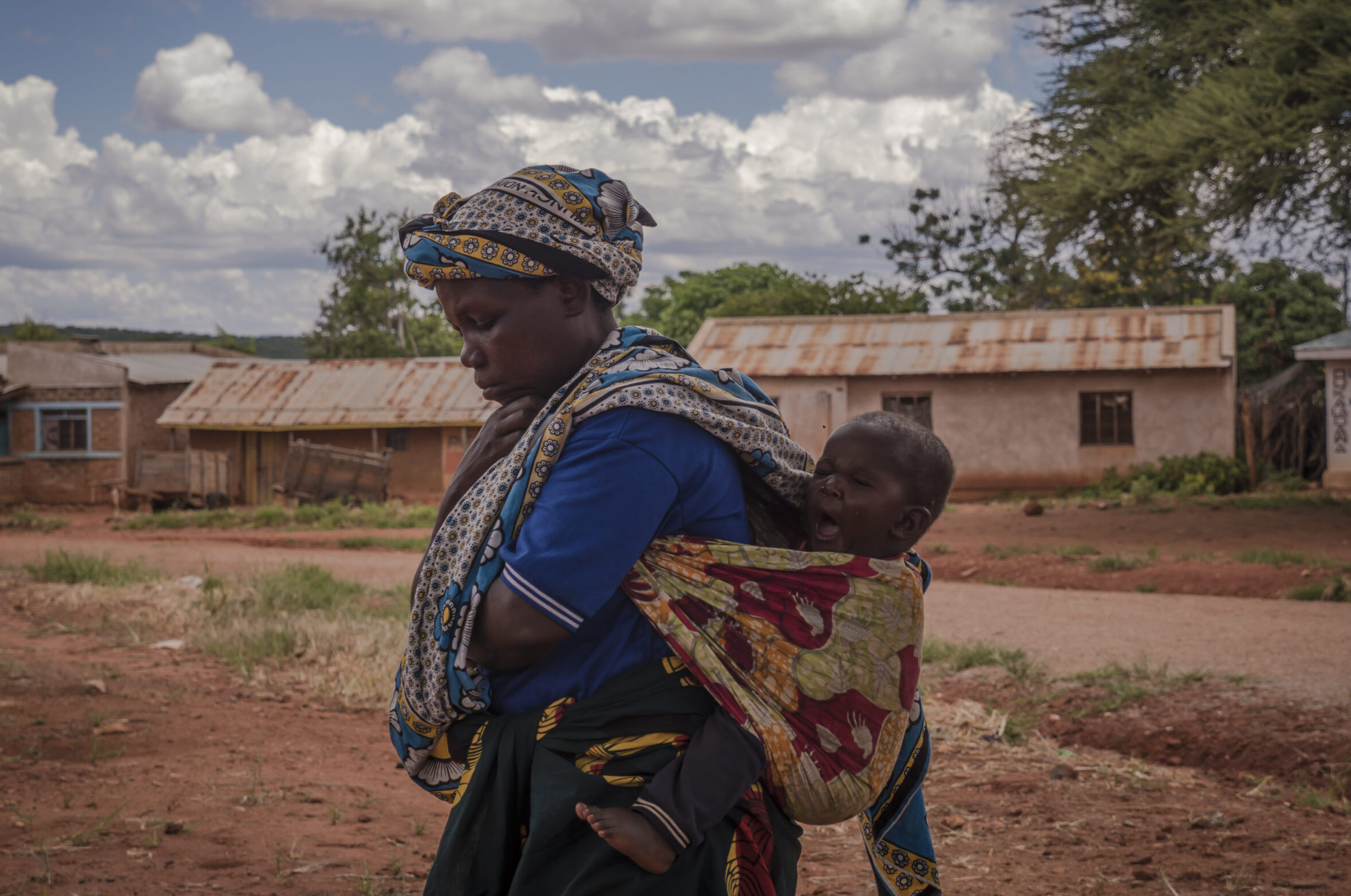
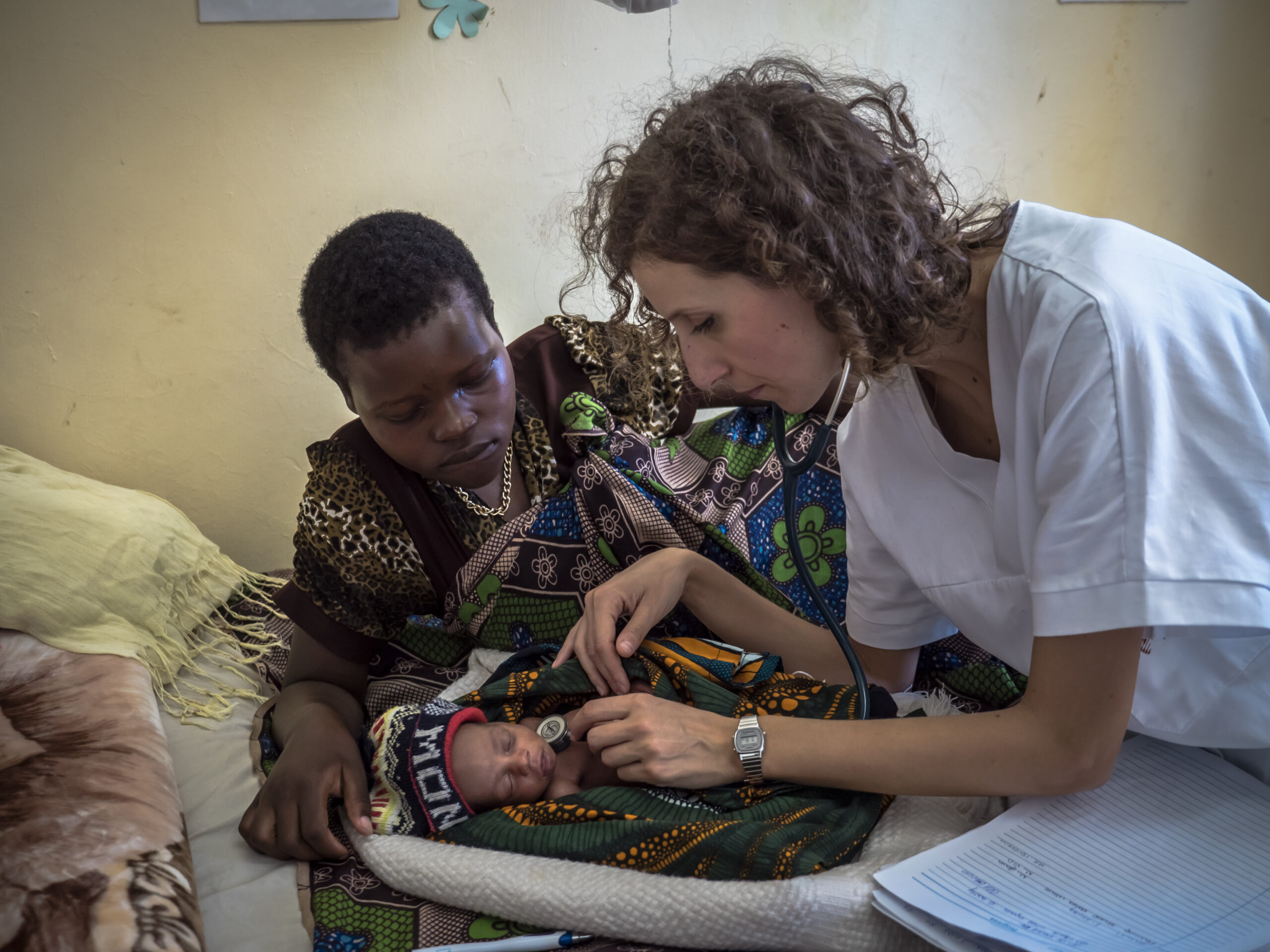
At Tosamaganga Hospital, our work focuses on supporting hospital management and maternal and child health through the “First Mothers and Children” programme. Thanks to the presence of doctors and residents, we are actively engaged, with professionalism, commitment, and expertise, in the Maternity and Neonatology wards to prevent and manage illnesses and emergencies.
At the same time, we work to ensure that the quality of care does not stop at the hospital level: through the training of local healthcare workers, we strengthen more remote health centers, enabling early identification of risks and ensuring continuity of care even in the most remote areas.
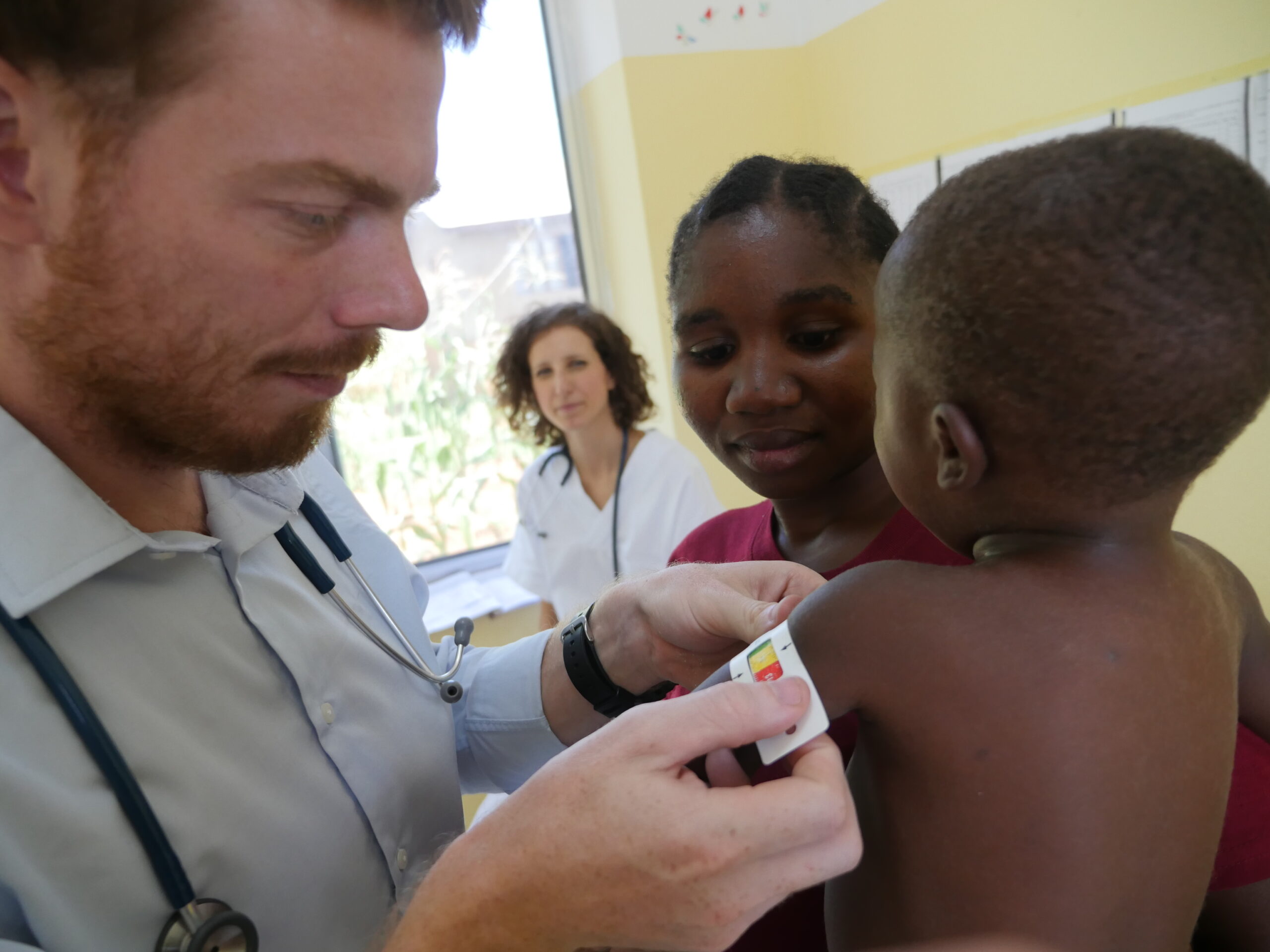
To prevent and treat malnutrition
Tanzania is facing an urgent challenge in the fight against acute and chronic malnutrition, with over 30% of children under the age of five affected. In Iringa, Simiyu, and Dodoma, we work alongside the national health system to prevent and address malnutrition in all its forms, from the early management of the most severe cases to community-based awareness activities.
We strengthen diagnosis and treatment services, train healthcare staff, and support families through nutrition education programmes, with a particular focus on the first 1,000 days of life.
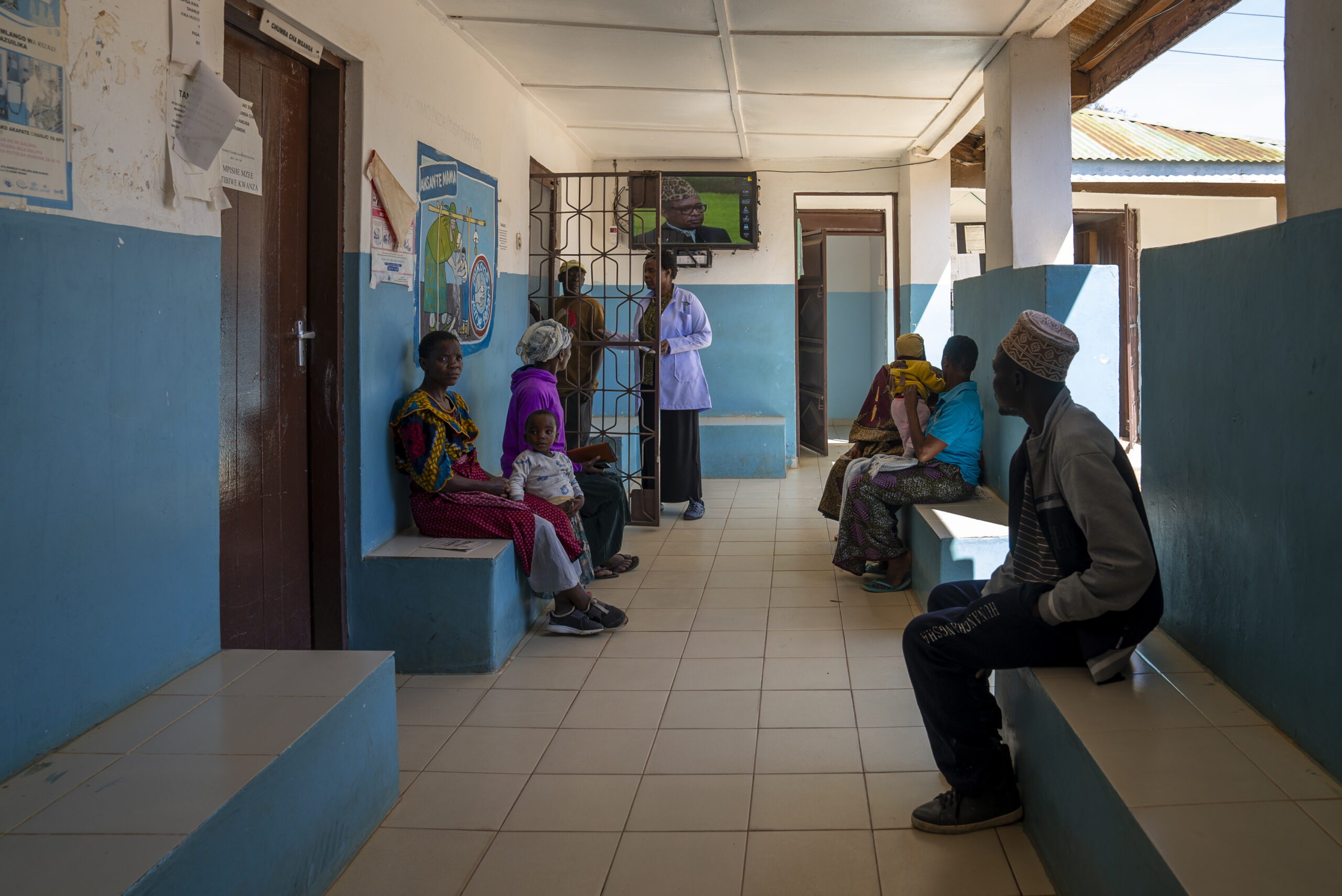
Chronic disease clinic
In Iringa DC, Tosamaganga Hospital remains the referral facility for complex cases of diabetes and hypertension, while peripheral facilities manage stable patients, ensuring more accessible care even in remote villages.
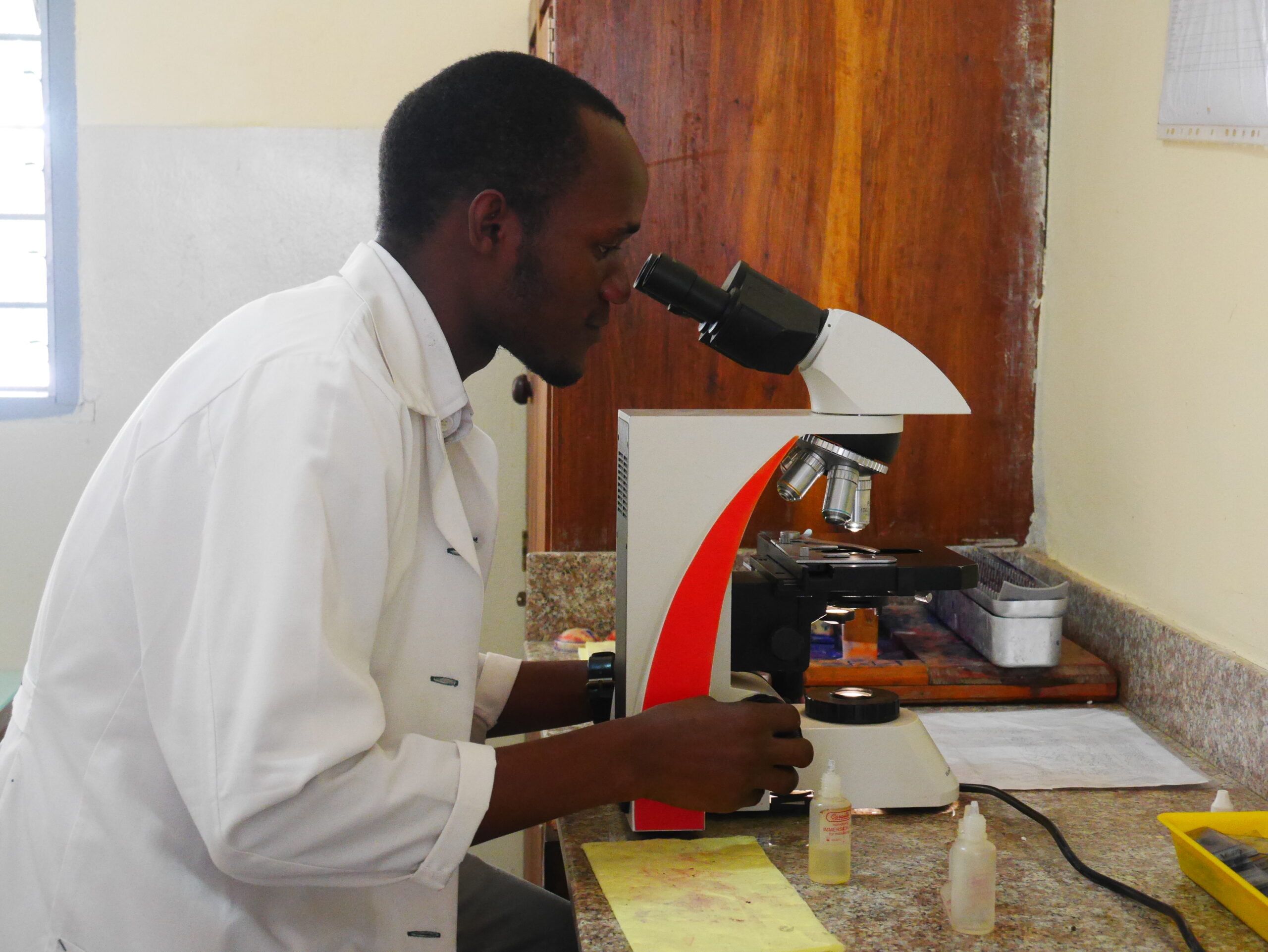
HIV prevention and control
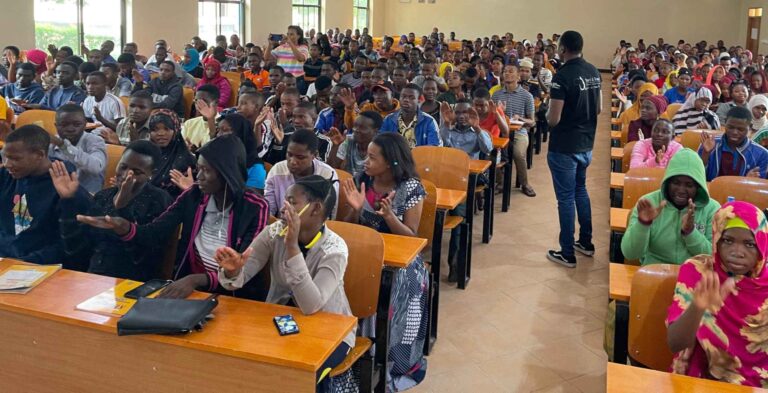
In Shinyanga we focus on the prevention and treatment of HIV among adolescents and young adults, a particularly vulnerable population group that is often far from healthcare services. We do this by strengthening service delivery and addressing the social, cultural, and economic barriers that hinder access to diagnosis and continuity of care.
Alongside field activities, we also conduct operational research to better understand the needs of young people and identify effective strategies, developed together with communities, to make services more accessible, welcoming, and responsive to their needs.
Our impact in Tanzania
57.866
Antenatal visits
15.919
Assisted deliveries
34.112
Medical visits for children under five